SOUTH24 CENTER FOR NEWS & STUDIES
SOUTH24 CENTER FOR NEWS & STUDIES


South24 Center
23-12-2025 at 8 PM Aden Time
While conventional analysis so far says Saudi Arabia lost ground to the STC, and the UAE by extension, a broader view would say the Kingdom faces a win-win scenario.
Fernando Carvajal (South24 Center)
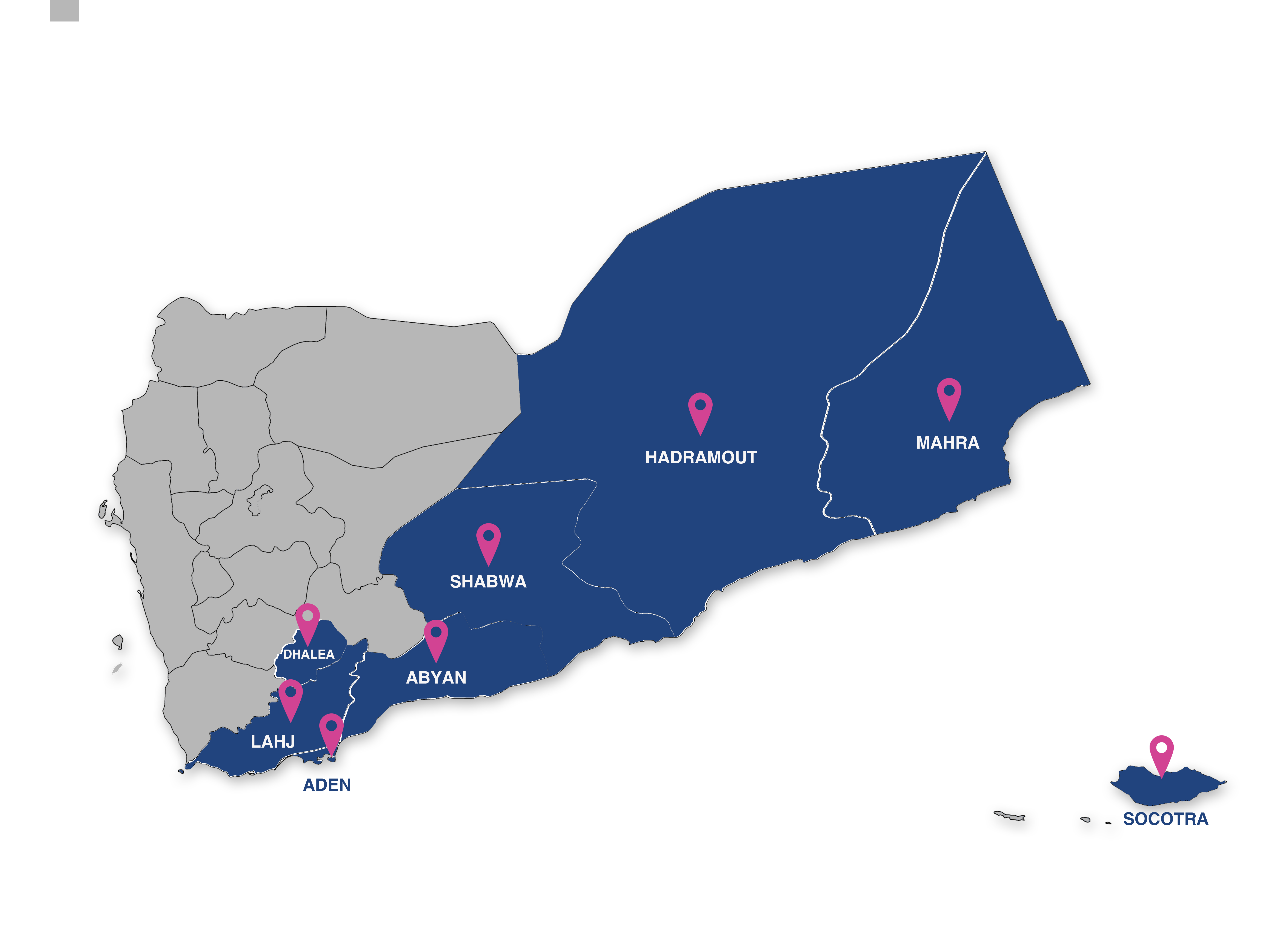
A new game of thrones erupted early on 3 December in the eastern oil-rich province of Hadramout. Media outlets immediately misrepresented both the origin of the conflict and the actors involved, mostly focused on fueling the regional proxy war narrative. The convergence of events has undoubtedly produced a tectonic shift not just within Yemeni politics, but across the Arabian Peninsula. After ten years of civil war, the script is about to flip over another turbulent rebalancing of power with no end in sight. So far, the aftermath has handed the Southern Transitional Council (STC) a step toward the distant horizon, but southerners must remain aware of the major challenges ahead for governance and security.
A more nuanced deep dive into the anatomy of developing events requires more than sound bites and old narratives. Without understanding events that sparked this new round of fighting across the eastern provinces of Hadramout and al-Mahra, or the principal actors, there is no understanding of the direction of the conflict or its impact on Yemen’s wider population. First point to understand is that the conflict was neither spontaneous nor driven by outside actors: it was primarily a product of nearly two months of negotiations and over-reach by two players-- a political party losing ground and influence, and a young ambitious tribal leader who “bit more than he could chew”.
A brazen power-grab by Sheikh Amr bin-Habrish, the Deputy Governor of Hadramout, supported by elements of Yemen’s Muslim Brotherhood-affiliate al-Islah party, failed as he overestimated political support from Saudi Arabia. Bin-Habrish, also head of the Hadramout Tribal Alliance (HTA) until 29 November, unilaterally deployed elements of the Hadramout Protection Forces (HPF) into the PetroMasila oil and gas facilities near Ghayl bin Yamin, instantly provoking a deployment by the Security Support Brigades (SSB) under Brigadier General Saleh bin Al Sheikh Abu Bakr (Abu Ali al-Hadrami), seen as an ally of the STC.
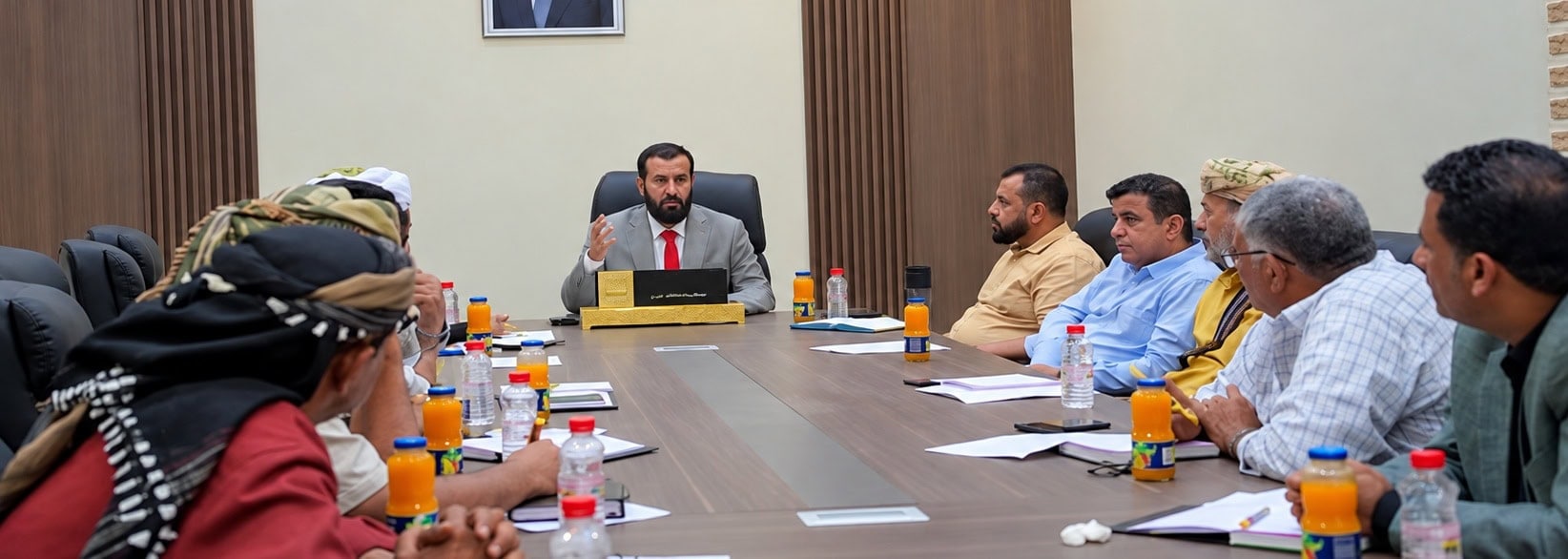
The convergence of events leading to bin-Habrish’s attempting to take control of PetroMasila was not spontaneous. Following weeks of negotiations among factions of the Presidential Leadership Council (PLC) in Riyadh, Chairman Dr. Rashad al-Alimi appointed Saeed Ahmed Salem al-Khanbashi new governor of Hadramout, replacing Mabkhout bin Madi, which sparked a reaction from bin-Habrish who expected a promotion to governor during this round of cabinet reshuffle. His reaction was prompted by a sense of urgency believing he would be marginalized further by elements close to the STC leadership. Indeed, prior to Khanbashi’s appointment, bin-Habrish was replaced as head of the Hadramout Tribal Alliance by Sheikh Khaled Mohammed Al-Kathir, an STC ally in Wadi Hadramout. The crisis engulfing the PLC for months was at the center of negotiations hosted by Riyadh since October following conclusion of the opening of the 77th UN General Assembly.
Anatomy of Chaos, Events Converge
The chaos that ensued over the past week was naturally a consequence of national politics rather than a product of foreign interference. -Bin-Habrish got ahead of himself and unleashed a series of events, shifting the balance of power and potentially the direction of the peace process.
When clashes began at PetroMasila, alarms sounded, warning of a new conflict between factions supported by respective Gulf patrons, pointing to Saudi Arabia and the UAE. Media predicted a repeat of August 2019, a bloody conflict that shifted the balance of power and handed the STC control of Aden and neighboring provinces under the Riyadh Agreement. So far, the conflict has been contained in areas of northern Hadramout, with a surprise withdrawal of Saudi military forces from both Aden and Wadi Hadramout. All the while, a Saudi delegation led by Majr. Gen. Mohammed Al-Qahtani (Abu Nayef) remains on the ground overseeing de-escalation across Hadramout, engaging local tribes and apparently keeping an eye on Abu Ali al-Hadrami and the Security Support Brigades. Bin-Habrish went silent following his statement on 9 December attacking the STC and affiliated forces, emerging again on 16 Deceembr with a short statement and speech still under thee HTA. .
A major casualty of the conflict so far has been the forces of the First Military Region and its leadership, considered affiliates of Yemen’s Muslim Brotherhood wing al-Islah party. Soon after clashes with bin-Habrish erupted, Hadhrami Elite and other pro-STC forces from neighboring Shabwa launched Operation ‘Promising Future’ and encircled the First Military Region led by Majr. Gen. Saleh Mohammed Abdulrahman al-Juaimlani. Troops under al-Juaimlani did not put up much of a fight and within hours began to withdraw west into Marib province, an area considered a base for al-Islah. Media reports soon shifted focus to al-Wadiah border crossing with Saudi Arabia and Shisan, along al-Mahra’s border with Oman. Al-Wadiah was soon secured by National Shield Forces (NSF), formed in 2023 under the PLC with direct support from Saudi Arabia. Shisan on the other hand, remains contested by pro-STC forces from Hadramout and the NSF.
Further contradicting media narratives, Gen. Qahtani has not been alone coordinating efforts to de-escalate tensions. On 12 December, a joint delegation of the Arab Coalition led by Major General Sultan Al-Enazi and Major General Awad Al-Ahbabi met with the leadership of the STC in the interim capital in Aden. Officials from Saudi Arabia and the UAE met PLC co-vice presidents Aidrous al-Zubaidi and Abdulrahman (Abu Zara’) al-Muharrami, a Salafi member of the STC presidium and commander of the Giants Brigade. Reports indicate STC officials refused demands to order withdrawal of STC forces from the First Military Region area of responsibility (AOR) and al-Mahra. The STC held their ground as Islah-affiliated troops continued withdrawing into Marib. The delegation’s departure from Aden also served to defuse media narratives of the regional proxy war.
Oil and War Economy
Sheikh bin-Habrish’s orders for the Hadramout Protection Forces (HPF) to take control of PetroMasila facilities was not only a reaction to his marginalization. Bin-Habrish rose in prominence among the tribes in northern Hadramout as he escalated opposition to exploitation of oil revenue by the central government. His move on PetroMasila could have also originated from a perception that a deal to hand over PetroMasila’s Block 5 in northern Shabwa to Jannah Hunt Company could lead to a similar deal in Hadramout.
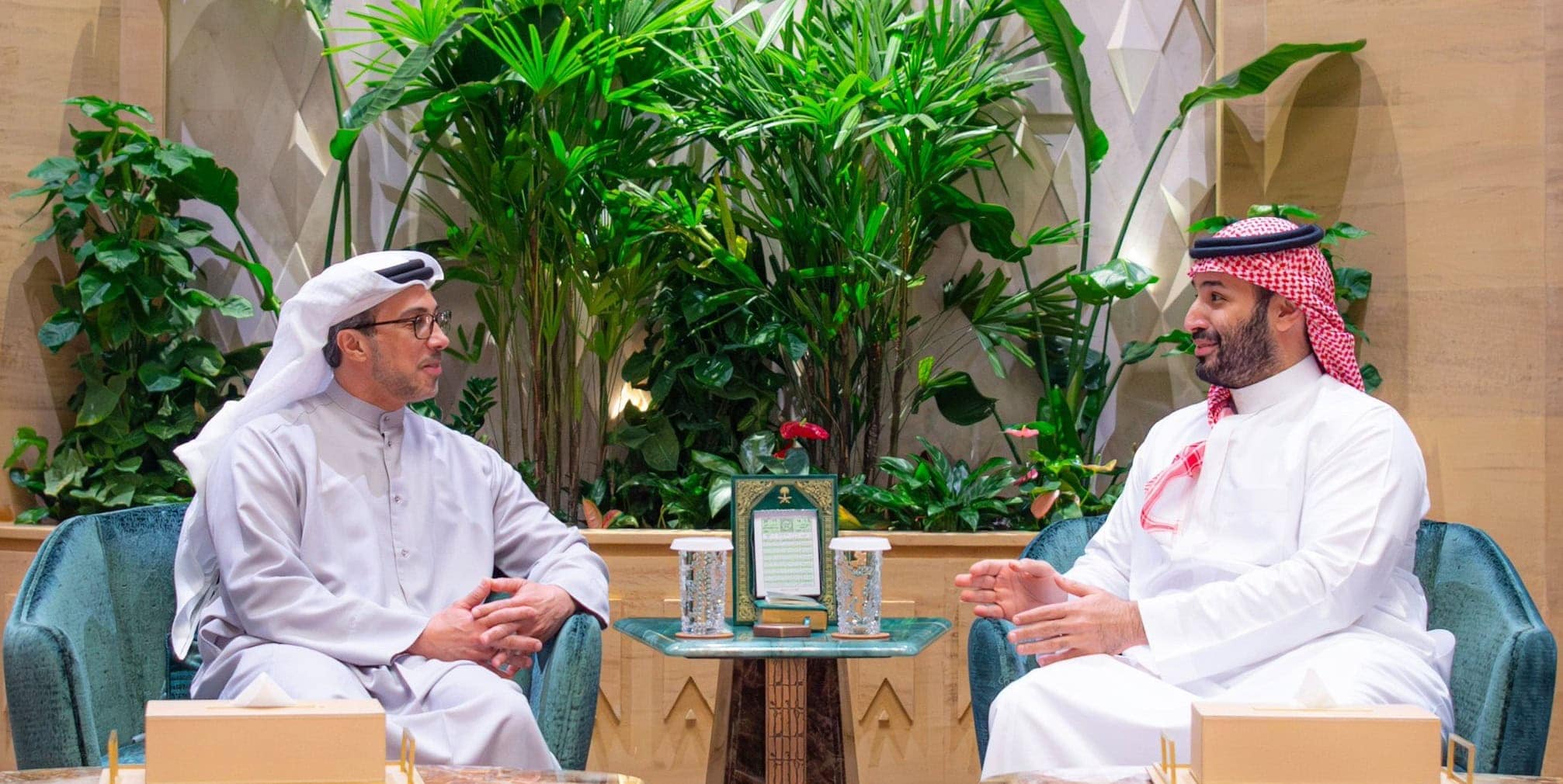
It appears bin-Habrish not only miscalculated the response to his brazen move in Ghayl bin Yamin, but also over-estimated his relations with Saudi Arabia. Bin-Habrish was welcomed by Crown Prince Mohammed bin Salman in Riyadh in March as Saudi Arabia aimed to tame HTA opposition to the central government. Bin-Habrish has since been sidelined, some would say abandoned by Saudi Arabia, and as consequence of the conflict he sparked, so has the First Military Region. Yemeni media suspect Saudi relations with the First Military Region began to deteriorate after two Saudi officers were killed last year in a base near Seiyun. This could also signal deteriorating relations between Saudi Arabia and al-Islah.
The conflict over oil resources seems far from over. STC-affiliated forces in Hadramout announced SSB units will expand their presence along the road from Seiyun east to al-Mahra. The goal will not only be to prevent rivals within the HTA taking oil facilities again, but also to boost a plan to revive the electricity sector across the South following an announcement by the UAE of a billion-dollar investment. The project was announced in Aden during the first Yemen National Energy Conference (YFNEC2025) by UAE Ambassador Mohammed Hamad al-Zaabi in presence of Yemen’s Prime Minister Salem bin Braik. The conflict over natural resources is exacerbated by political rivalries and the war economy, where actors from all regions and political factions engage in corrupt practices and smuggling of fuel across within Yemen and abroad.
The Aftermath
Ramifications from the conflict ignited by Sheikh Amr bin--Habrish were evident within days. The more immediate casualties were al-Islah and the First Military Region, bin-Habrish losing influence and the STC territorial gains in Hadramout and al-Mahra. Houthis have also lost, as pro-STC forces move across the Empty Quarter and stand to obstruct a primary smuggling route from Mazyuna, along the Mahra-Oman border, to al-Jawf. The rivalries within the PLC will intensify as well.
The surprising outcome in favor of the STC will soon turn into a major challenge as masses across the South demand an independent state immediately. The STC must now manage the zeal of the masses, which they flared over the years to grow their base, and explain the reality they face, where the emergence of a Southern State is not in the near horizon. Gulf monarchies have no appetite for further fragmentation along the southern flank, where a Southern State threatens the survival of legacy political elites like al-Islah, the General People’s Congress (former ruling party), other minor parties and Houthi rebels, whose ultimate ambition is to control Yemen in its entirety. The STC have an opportunity to prove capacity to govern beyond mere alliance building, and provide a security environment that converges with national security interests across the Gulf, especially the Sultanate of Oman.
While conventional analysis so far says Saudi Arabia lost ground to the STC, and the UAE by extension, a broader view would say the Kingdom faces a win-win scenario. After a decade of failures under former president Abdo Rabbo Mansour Hadi and now the PLC, Saudi Arabia has been held hostage by Houthis and fleeced by Yemen’s government. An agreement with the STC leadership will demand deep compromise; long overdue reform of the PLC will further marginalize the Muslim Brotherhood-affiliate al-Islah, threatening its political survival unless their bases in Marib and Taiz move against the Houthis. Next, pro-STC forces in Hadramout and al-Mahra must combat weapons and fuel smuggling from south Yemen into Houthi territory; this means shutting down smuggling operations by organized crime on southern provinces. The STC must deliver on salaries and public service, for which it will require financial assistance from the Saudi Arabia-led Coalition.
This works into Saudi Arabia’s hands. Depending on the STC for security measures against Houthis, particularly smuggling of weapons and drone components, will grant the Kingdom leverage to push for comprehensive talks. If the STC is unable to cool popular demands and/or provide security, Saudi Arabia can simply say ”we told you so”, to the West and the UAE. If the STC succeeds, Saudi Arabia gains more than Hadi or Islah were able to produce, and by extension deepen their relations with the STC across vital strategic territory. Mutual dependence is more likely to build stability than threats to national security interests on either side of the border.
Yemen politics are always prone to chaos. Agreements rest on fragile ground and demand constant maintenance; spoilers always lurk nearby in order to maximize own interests and when power shifts corruption increases. The STC face mounting challenges, and the most dangerous will be meeting expectations from its popular base, rival factions, neighbors and the international community. By no means will the STC leadership provide Saudi Arabia any major financial relief; the next step will be expensive and long. No one can expect the STC to deliver on what the Internationally Recognized Government and the PLC could not over a decade. Neither can the people of the South expect a declaration of statehood by the STC without all-out war along multiple fronts. The next few months will be tense, but promising. Saudi Arabia and the STC have shown compromise and armed conflict contained, showing promising signs for stability.
Previous article