مركز سوث24 للأخبار والدراسات
مركز سوث24 للأخبار والدراسات


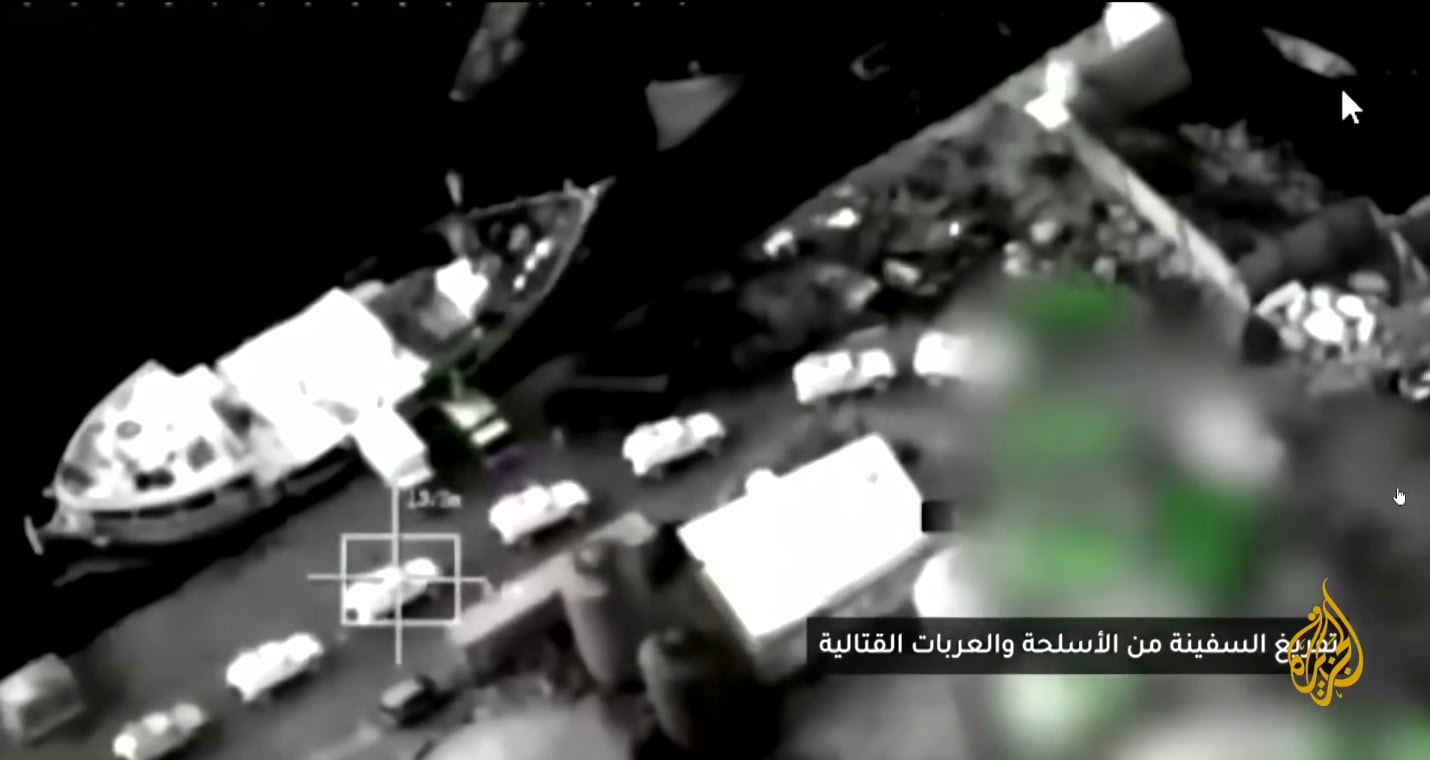
An aerial image released by the Saudi Ministry of Defense showing what it said was the monitoring of the arrival of ships coming from the UAE to Mukalla Port, which was subjected to Saudi airstrikes, December 30, 2025 (excerpted by South24).
آخر تحديث في: 30-12-2025 الساعة 8 مساءً بتوقيت عدن
Perhaps Saudi Arabia truly wanted to defeat the Houthis at first but eventually decided to coexist with them instead throughout the course of this over-decade-long campaign..
Andrew Korybko (South24 Center)
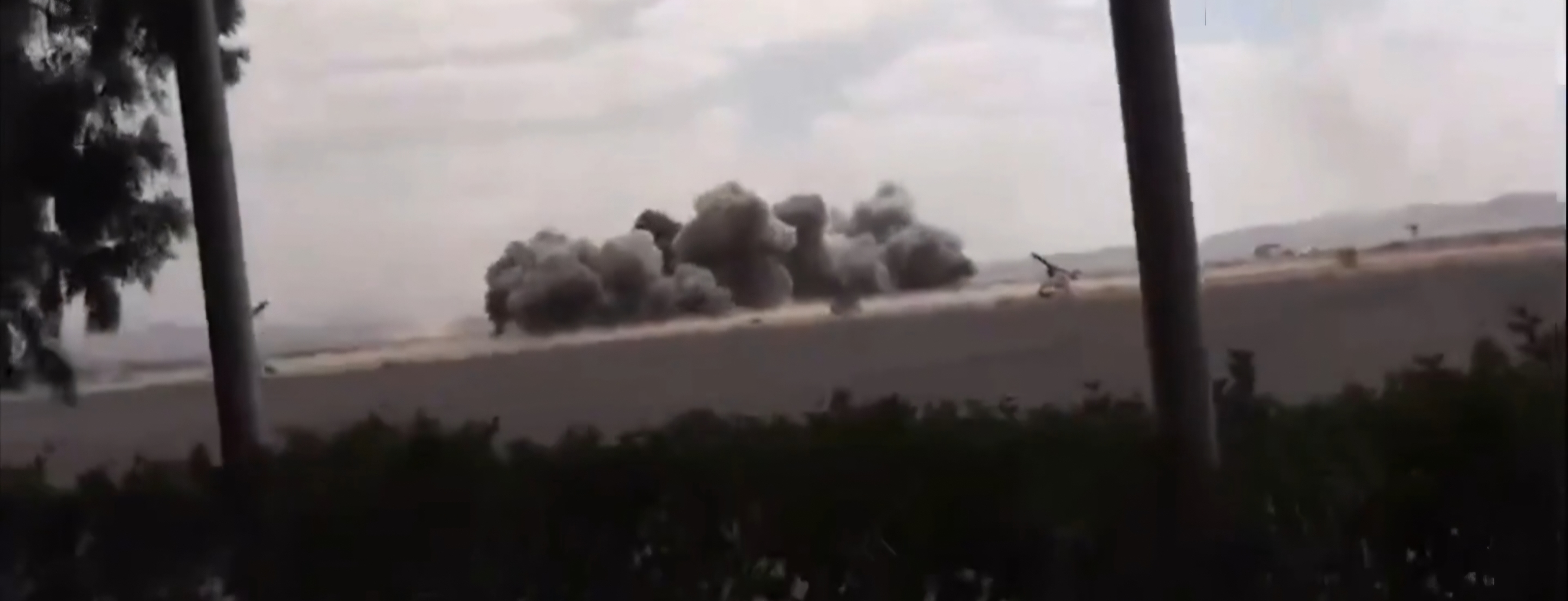
Saudi Arabia bombed the South Yemeni port of Mukalla to destroy what it claimed to be military equipment sent by the UAE to the Southern Transitional Council (STC). This came after it demanded that the group, whose leader Aidarus al-Zoubaidi is the Vice-President of the Presidential Leadership Council (PLC), withdraw from the eastern provinces of Hadhramout and Mahra. The STC gained control over them in early December after an anti-smuggling operation that cut off one of the Houthis’ supply lines.
Some elements of the Saudi-backed National Shield Forces (NSF) were suspected of profiting off of this arrangement despite formally being allied with the STC against the Iranian-backed Houthis. The same goes for the al-Islah party, which is also represented in the PLC despite being part of the Muslim Brotherhood, a terrorist organization banned by Saudi Arabia and the UAE among others. Their ideological goals broadly align with the Houthis’, thus making them an odd member of the coalition.
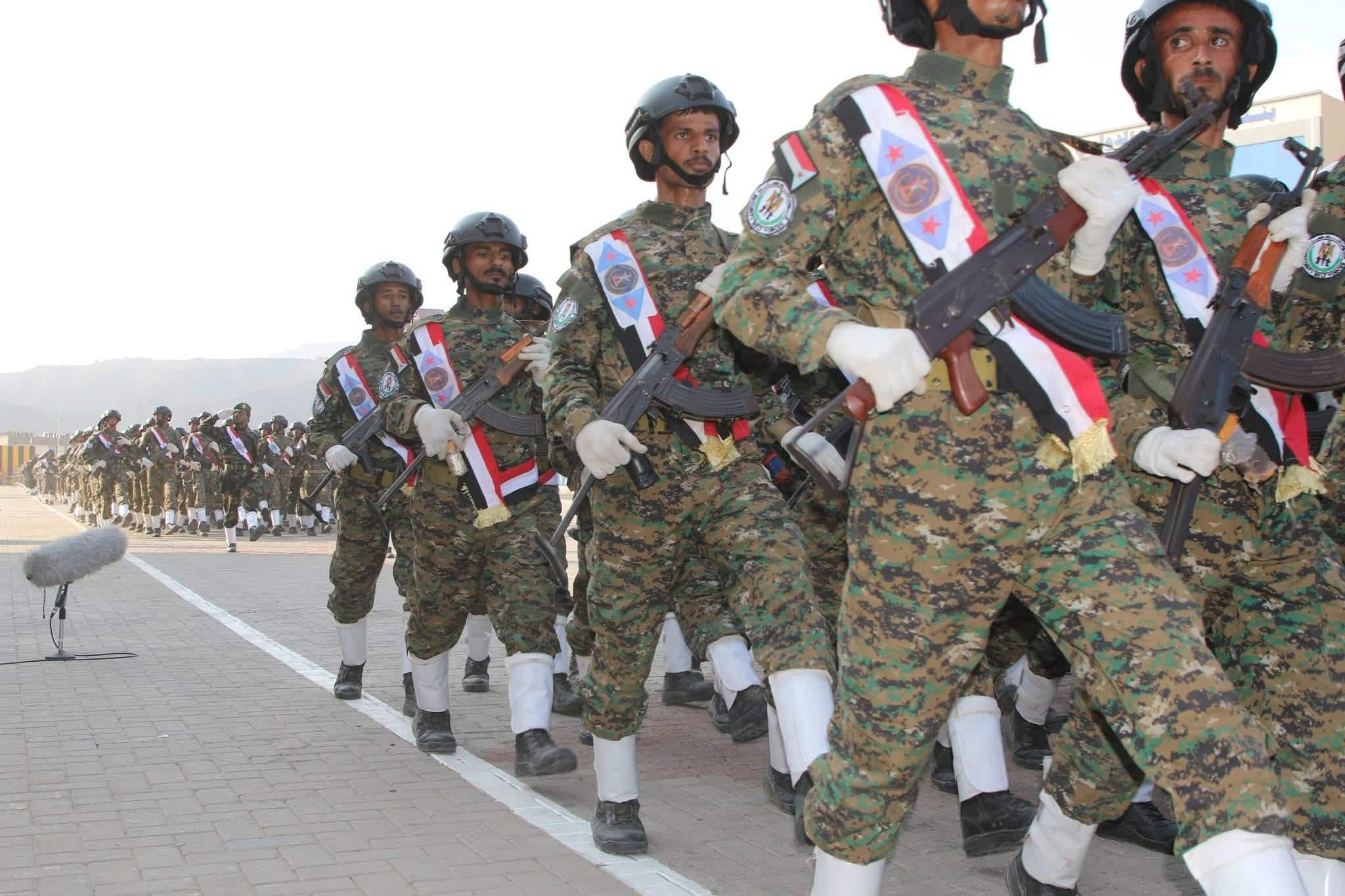
In any case, Saudi Arabia, the NSF, Islah, and their local allies furiously condemned the STC’s successful anti-smuggling operation in Hadhramout and Mahra even though the STC repeatedly reaffirmed that it conforms with the coalition’s mission of defeating the Houthis by cutting off their supply lines. The geopolitical outcome of this operation was that the STC obtained full control over all of the erstwhile South Yemen, which they want to restore as the State of South Arabia in alliance with Saudi Arabia.
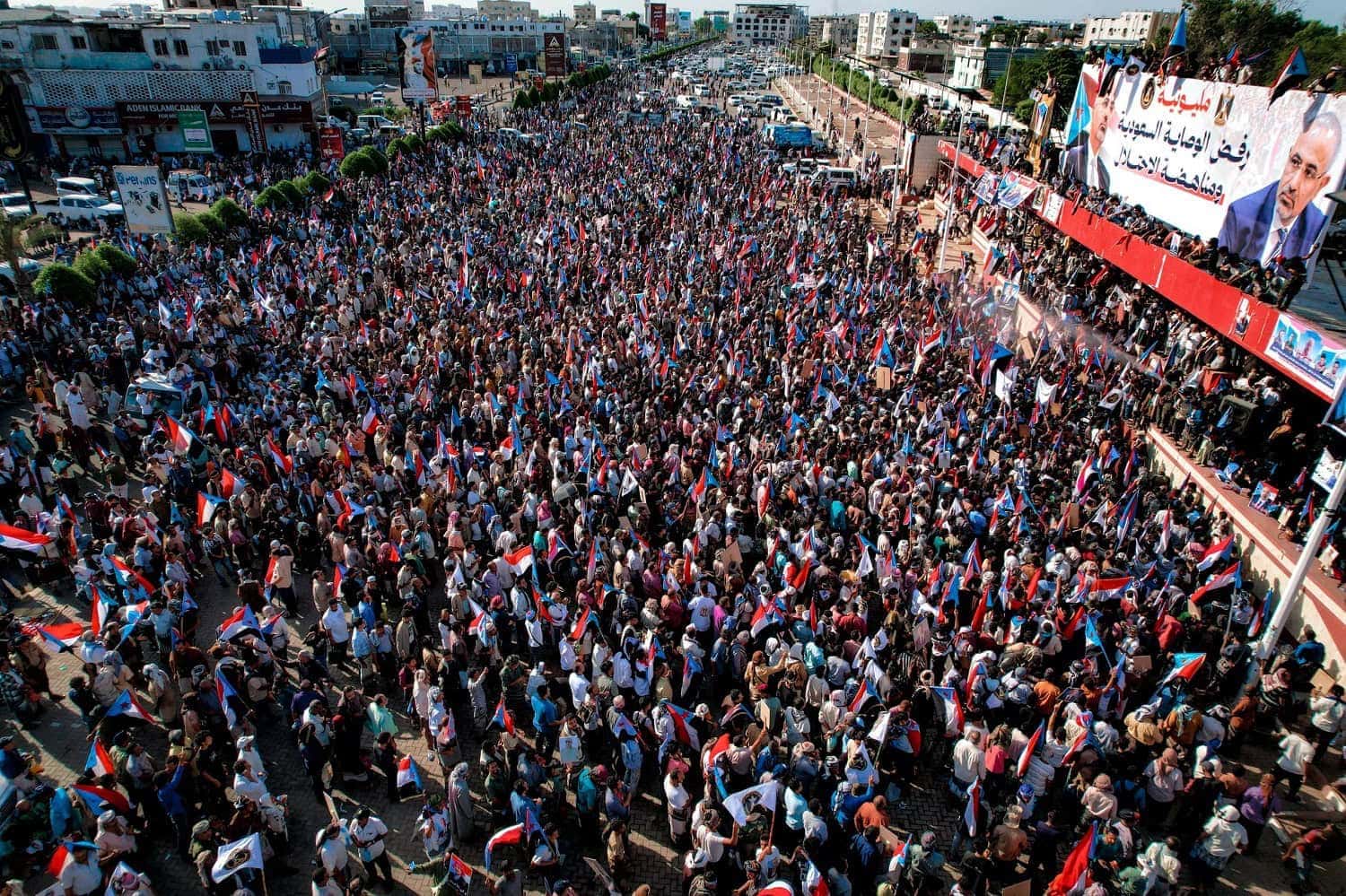
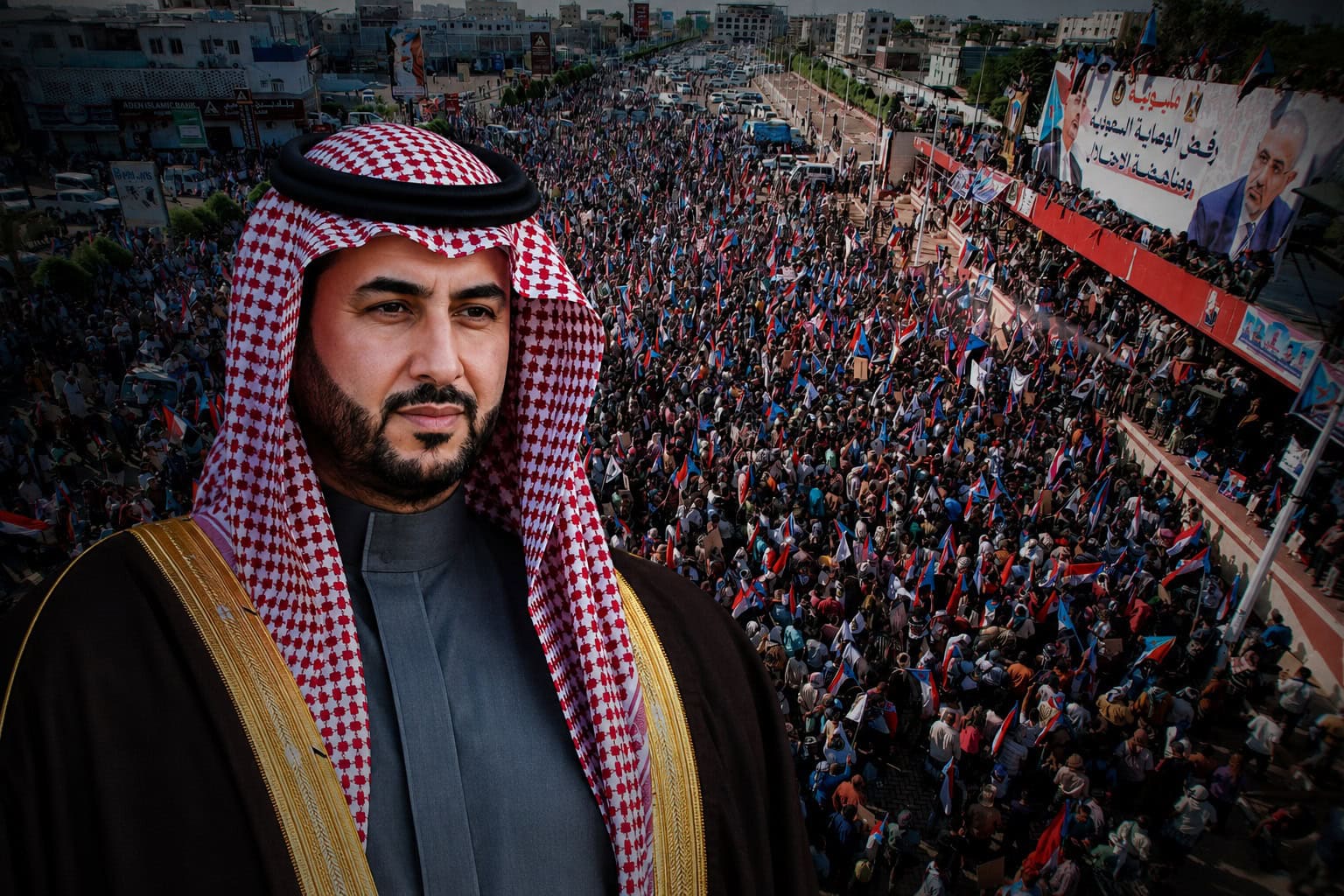
Their vision has popular support, including in Hadhramout and Mahra, whose people proudly consider themselves to be Southerners. This is proven by the large-scale rallies that organically arose all across South Yemen after the STC’s successful anti-smuggling operation. Nevertheless, Saudi-aligned media have since exaggerated the differences between people from those two provinces and elsewhere in South Yemen, which tacitly bolsters the false claim that the STC’s presence there is an “occupation”.
The aforesaid narrative has in turn been exploited by the Saudis to justify their military action against the STC, which represents the first war that they’ve waged on their own outside of a coalition despite claiming for the sake of optics that their bombing of Mukalla was on behalf of the coalition. That’s a lie since the coalition was assembled to defeat the Houthis, not fight against Southerners. By attacking the South, the Saudis are risking an irreparable rupture with their Emirati ally, which backs the STC.
Moreover, this unprovoked aggression against their own coalition ally could embolden the Houthis to launch an offensive, unless of course Saudi Arabia and Iran reached a secret agreement for that not to happen in exchange for Riyadh leaving them alone if they successfully expel the STC from the east. This isn’t unsubstantiated speculation since the Saudi and Iranian Foreign Ministers held a call just hours before Saudi Arabia bombed Mukalla. Iran confirmed that they did indeed discuss the South.
Whatever the truth may be, the latest Saudi bombing prompts observers to reconsider exactly what the Kingdom sought to achieve in Yemen since the start of its military intervention there over a decade ago. Quite clearly, the goal was never solely to defeat the Houthis, but to also subordinate Yemen afterwards. After all, the Saudis are now waging war against their own anti-Houthi coalition ally all because it obtained control over the east, which the Saudis evidently expected to turn into a de facto client state.
This was in hindsight supposed to be achieved through the NSF together with Islah, and it’s possible that Saudi Arabia intended for this unofficial alliance to form the basis for more cooperation with the latter that could one day lead to a thaw with the Houthis, whose ideological goals broadly align with Islah’s. Skeptics should ask why the Saudis would wage war against the STC if this wasn’t the case since they should appreciate that the group’s anti-smuggling operation cut off one of the Houthis’ supply lines.
It therefore appears as though that Saudis envisaged indefinitely freezing the conflict upon solidifying the de facto trifurcation of Yemen into the Houthi-controlled North, the STC-controlled South, and the informally Saudi-controlled East. In that scenario, the North and East might have eventually teamed up against the South per a deal between the Houthis and Islah, the latter of which is allied with the Saudis despite being part of the banned Muslim Brotherhood and even awarded with representation in the PLC.
Perhaps Saudi Arabia truly wanted to defeat the Houthis at first but eventually decided to coexist with them instead throughout the course of this over-decade-long campaign. This policy recalibration might be domestically justified as “pragmatic” and “cost-effective” but would amount to a betrayal of the coalition whose members, especially the STC, sacrificed so much to defeat the Houthis. If such a betrayal were afoot, however, then it would make perfect sense why the Saudis would wage war against the STC.
The STC isn’t an “Emirati proxy” like some Saudi and other media, including Iranian, misportray it as. The group embodies the genuine will of Southerners to restore their lost state. They’re not anti-Saudi either but sincerely want to ally with the Kingdom that also sacrificed so much to save them from the Houthis. That’s why it’s so disappointing that the Saudis are now waging war against the group that Southerners have agreed to allow to speak and act in their name. This will inevitably lead to deep-seated resentment.
National liberation movements like the STC cannot be defeated by force, especially if they’re objectively popular with the people that they represent, which is the case with them since they’re also democratic and secular just like the majority of Southerners. Saudi Arabia won so many hearts and minds over the past decade only to recklessly risk throwing it all away and replacing goodwill with hostility in pursuit of selfish geopolitical interests that could have peacefully been advanced in partnership with the South.
Southerners are a famously proud people and would never subordinate themselves to anyone, not even a hitherto ally like Saudi Arabia, but they could have indeed entered into an equal partnership with the Kingdom upon the restoration of their state’s independence that covered trade and security. That would be mutually beneficial and was precisely what the STC wanted, having repeatedly reaffirmed its alliance with the Saudis and their shared goal of defeating the Houthis, only for it all to fall on deaf ears.
Crown Prince Mohammed Bin Salman, who also serves as Prime Minister and is thus the second-most-powerful person in the country behind his father the King, is making a terrible mistake by waging war against South Yemen. He assembled the Saudi-led coalition in early 2015 for saving Yemen from being completely overrun by the Houthis back when he just became Defense Minister. Southerners will forever be thankful for that, but he risks ruining his legacy by continuing this senseless war against them.
It’s still not too late for him to change course and hopefully he won’t stubbornly double down. While he’s his own man and must take responsibility for all his actions, it can’t be ruled out that he’s been misled by some of his advisors since it’s difficult to believe that he decided to do this entirely on his own. South Yemen could still become one of Saudi Arabia’s closest allies, but for that to happen, he must stop all Saudi bombing of the South and recognize its people’s sovereign will to restore their independence.


قبل 3 أشهر
قبل شهرين
قبل 3 أشهر