مركز سوث24 للأخبار والدراسات
مركز سوث24 للأخبار والدراسات


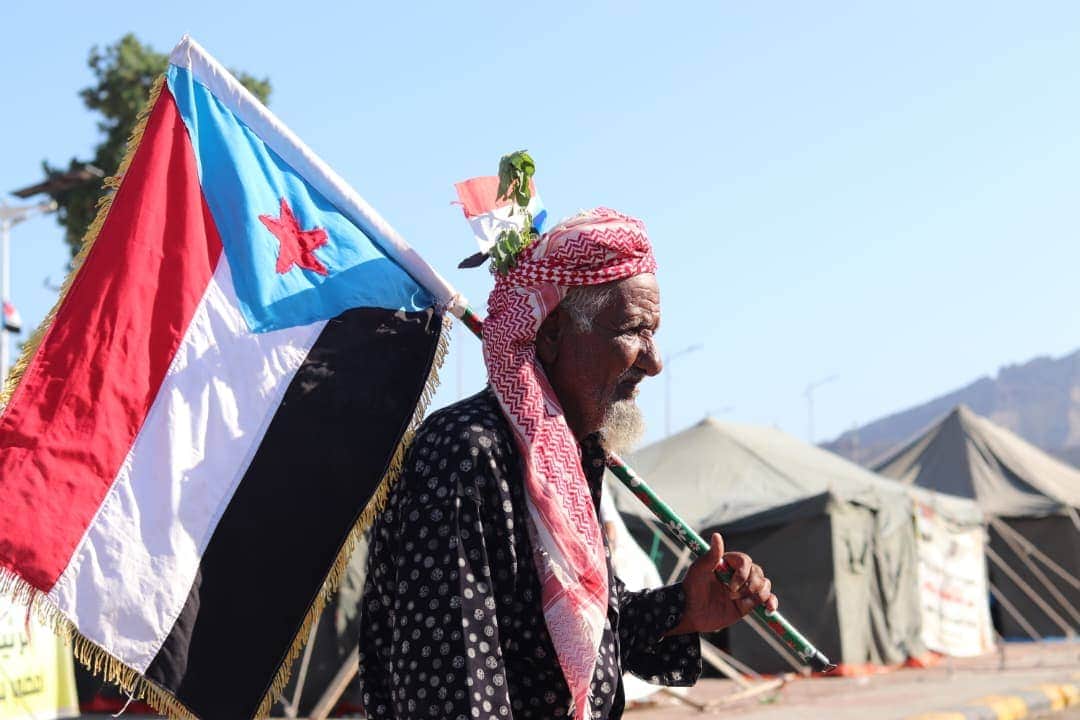
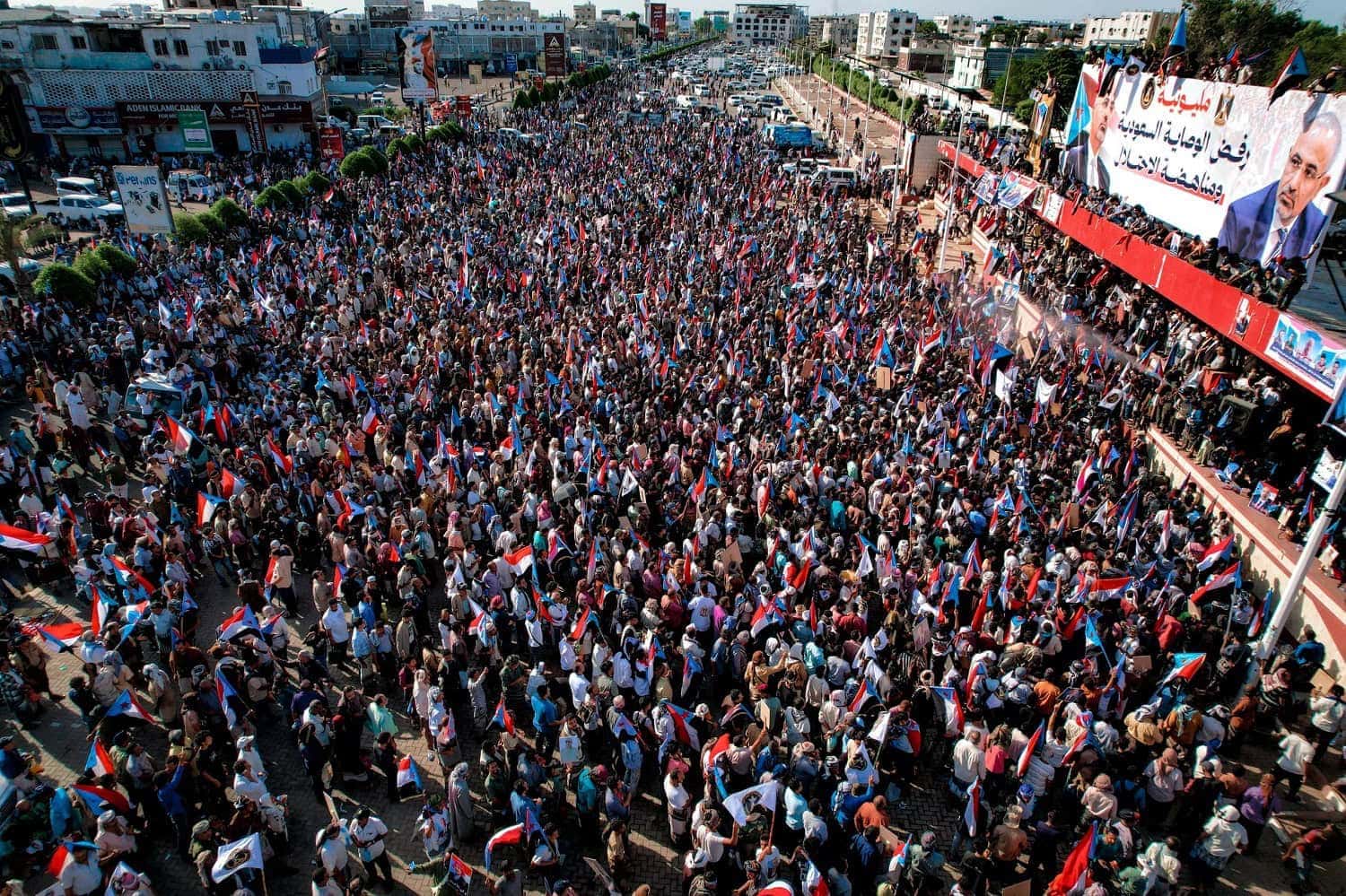
A southern sheikh participating in the open sit-in at Al-Aroud Square in Aden, calling for the declaration of independence and the restoration of the South State, 27 December 2025 (South24 Center).
29-12-2025 الساعة 5 مساءً بتوقيت عدن
“Including the South Yemen issue in a negotiation track that guarantees self-determination does not threaten regional security. On the contrary, it offers a legal and political pathway to remove the root causes of conflict.”
Zeina Al-Gallaby (South24 Center)
The recent briefing by the UN Secretary-General to the Security Council came at a critical political and security juncture, following rapid developments on the ground that thrust Yemen back into the international spotlight 1. In the weeks preceding the briefing, South Yemen experienced rising military and political tensions, with an increasing risk of a broader conflict, amid the stagnation of the comprehensive political settlement process.
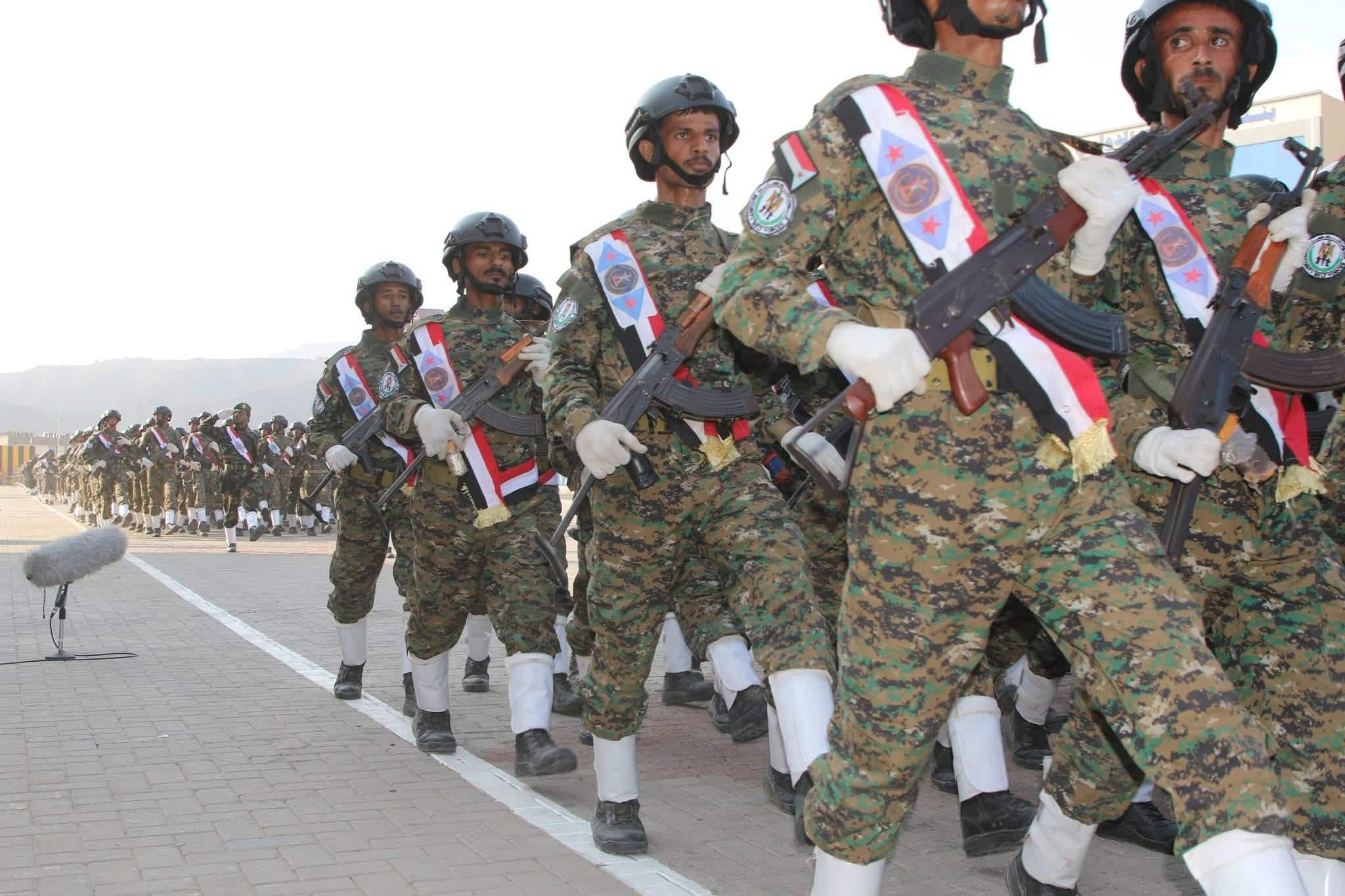
The Southern Transitional Council (STC) spearheaded field operations that shifted control on the ground and fundamentally reshaped the military landscape in South Yemen. A key outcome was the significant reduction of the Islah Party’s (Muslim Brotherhood) military influence, which had long been exercised indirectly through local forces aligned with or under its sway in parts of eastern South Yemen, particularly within the First Military Region 2.
Despite the UN Secretary-General’s concerns about the escalation of conflict and its impact on regional peace and security, including key maritime routes in the Red Sea, the Gulf of Aden, and the Horn of Africa, the briefing framed the situation as a political issue requiring negotiation, rather than a forum for settling partisan or ideological disputes. This approach reflects a nuanced international understanding of Yemen’s unresolved challenges and aligns with the STC’s political stance, which regards the South Yemen issue as a core political matter that has long been deferred or sidelined in previous partial and temporary settlement efforts 3.
The South Yemen Issue: Part of the Solution, not a Source of Escalation
The South Yemen issue remains one of the most complex and enduring challenges in contemporary Yemen. Its roots predate the current conflict and stem from long-standing structural imbalances that emerged following Yemeni unification 4. Despite significant political and military developments over the past fourteen years, the core of the South issue has persisted in evolving forms, reaching an unprecedented phase after the withdrawal of Houthi forces from the South governorates. This shift left the South comparatively stable in security and governance when measured against much of the rest of the country.
Within this context, the STC was established in 2017, drawing on broad popular support across South Yemen. Over time, it consolidated political and administrative authority, positioning itself as the principal political and military actor representing the South cause. Simultaneously, the STC emerged as a reliable local partner for regional actors within the Arab Coalition in efforts to counter the Houthis.
The Riyadh Agreement and its subsequent implementation mechanisms aimed to manage tensions between the legitimacy camp “internationally recognized government” and the STC by integrating the latter into formal state institutions. However, these arrangements did not address the core political demands underlying the South issue. As a result, despite the STC’s participation in government, the agreement has stalled, most notably on the military track, which has proven unworkable under the current balance of power.
This situation has produced an unprecedented paradox: the South project is led by an organized political actor exercising effective territorial control yet lacks independent international legal recognition. Conversely, the Yemeni government retains formal international legitimacy, while its actual authority and presence in the South have steadily diminished following STC control over eastern governorates in the south 5.
Accordingly, any sustainable settlement promoted by the international community must redefine the relationship between the South “represented by the STC” and the Yemeni state “represented by remaining government factions”, on clear political foundations. These foundations must acknowledge the roots of the conflict and accommodate the realities on the ground. Without such recalibration, any agreement is unlikely to move beyond paper commitments, as demonstrated by the post–Riyadh Agreement experience.
Recognizing the right of the people of South Yemen to self-determination within a comprehensive negotiated political settlement is essential to achieving lasting peace that safeguards regional stability rather than undermining it. This principle is firmly grounded in international law, which links the maintenance of international peace and security to the ability of peoples to freely determine their political future 6.
International legal frameworks further affirm that conflicts driven by political exclusion and identity-based grievances cannot be resolved through temporary ceasefires or coercive arrangements. Ignoring these underlying issues risks reproducing cycles of conflict and extending instability to the wider region, including strategically vital maritime corridors.
Including the South Yemen issue in a negotiation track that guarantees self-determination does not threaten regional security. On the contrary, it offers a legal and political pathway to remove the root causes of conflict and establish durable peace based on popular consent. Such an approach would also redirect national efforts toward reclaiming Sanaa, rather than perpetuating conflict within the South.
This diplomatic approach has received acknowledgment from the Saudi Ministry of Foreign Affairs, which stated that “the South issue is a just cause with historical and social dimensions and can only be resolved through dialogue that brings all Yemeni parties to the same table as part of a comprehensive political process ensuring a holistic solution in Yemen,” 7 while also expressing reservations regarding unilateral Southern Government Forces actions undertaken without coordination.
South Yemen at the Heart of the Red Sea Security
Regionally, South Yemen occupies a pivotal position in the security architecture of the Red Sea, the Gulf of Aden, and the Horn of Africa. Stability in Aden, Wadi Hadramout, Al-Mahra, and along the South coastline is directly linked to international maritime navigation, global energy routes, and the containment of non-state armed actors. For these reasons, regional and international stakeholders have a clear interest in viewing the STC as part of a broader security solution capable of contributing to a stable coastal and maritime zone in the Red Sea 8.
Red Sea security is shaped not only by actors with formal international legitimacy, but also by those with the capacity to disrupt or secure critical waterways. While the Houthis have emerged as a destabilizing force through attacks on commercial and military vessels, the STC, controlling the southern bank of this strategic corridor, has the potential to serve as a stabilizing actor. Its presence on key islands, including the Socotra Archipelago and Mayun Island, as well as its control over major and secondary ports, provides it with significant maritime monitoring capabilities and rapid response capacity at relatively low cost.
A sustainable resolution to the South Yemen issue is only achievable if it is treated as a central political question rather than a subsidiary matter within the internationally recognized government’s framework. Resolution does not require an immediate determination of final state structures, but rather the transformation of the current forced partnership into an organized transitional arrangement that addresses root causes. Any future settlement should incorporate regional and international guarantees related to Red Sea security and Horn of Africa stability, reflecting the reality that South Yemen can no longer be governed under the post-1994 centralized model.
Restructuring According to New Dynamics
Adopting a political approach aligned with realities on the ground could facilitate short-term stabilization through the establishment of two operational governments under a single international legitimacy framework. One government would focus on efforts to reclaim control over Sana’a, maintaining diplomatic, military, and strategic coordination. The other would administer the stable Southern territories, including eastern South Yemen, coastal areas, and ports, under STC leadership to ensure effective governance, security, and economic management.
This concept has been referenced by the UN Office of Least Developed Countries in statements before the Human Rights Council 9 and has been advanced by multiple political analysts and experts 10. While not formally adopted, these proposals reflect growing international and domestic recognition that Yemen’s political process must begin with restructuring the PLC as a transitional mechanism to address internal fragmentation.
Such restructuring could enable the Presidential Council to better balance political demands with genuine popular representation, while creating space for future negotiations based on new power-sharing arrangements, expanded autonomy, and the application of international legal principles concerning the right of peoples to self-determination.
Conclusion
A sustainable solution in Yemen begins in the South, where stability can be transformed from a perceived challenge into a foundation for regional security. An urgent field visit by the UN Secretary-General and his Special Envoy to South Yemen governorates is necessary to directly assess public sentiment and observe the ongoing peaceful popular movement, which continues to press the STC to align its political project with state-building and effective Southern governance.
Such engagement would also provide a critical framework for the STC to make strategic decisions that align its popular legitimacy with broader national and regional interests, requiring an understanding that goes beyond narrow security or procedural political interpretations.


قبل 3 أشهر

قبل شهرين

قبل 3 أشهر