SOUTH24 CENTER FOR NEWS & STUDIES
SOUTH24 CENTER FOR NEWS & STUDIES


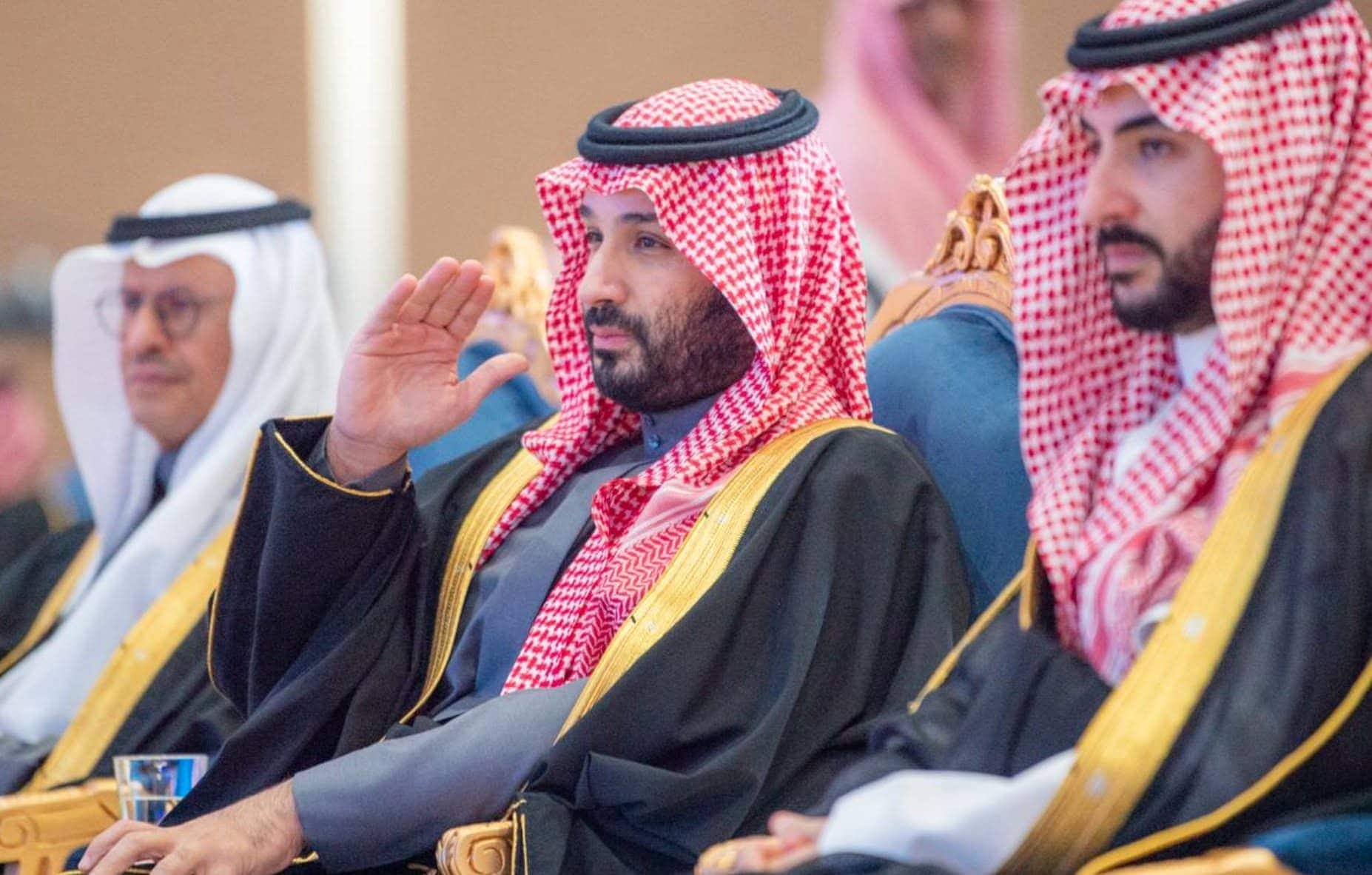
Saudi Crown Prince Mohammed bin Salman during the inauguration ceremony of facilities at King Salman Air Base in the Central Sector in Riyadh, December 9, 2025. (SPA)
07-11-2026 at 2 PM Aden Time

Farida Ahmed (South24 Center)
Riyadh is facing a difficult dilemma today, as every option available to it comes at a high cost. Accepting a settlement on the Houthis’ current terms would grant them a peace on their own terms, rewarding their escalation and postponing the war rather than ending it. An open-ended war of attrition would drain Saudi Arabia’s economy and undermine its security with no clear end in sight. Meanwhile, any military option would face an incohesive allied Yemeni camp and a regional defense umbrella that has yet to be tested. Caught between the cost of war and the cost of concessions, Saudi decision-makers must determine which poses the lesser threat to the Kingdom’s security and future.
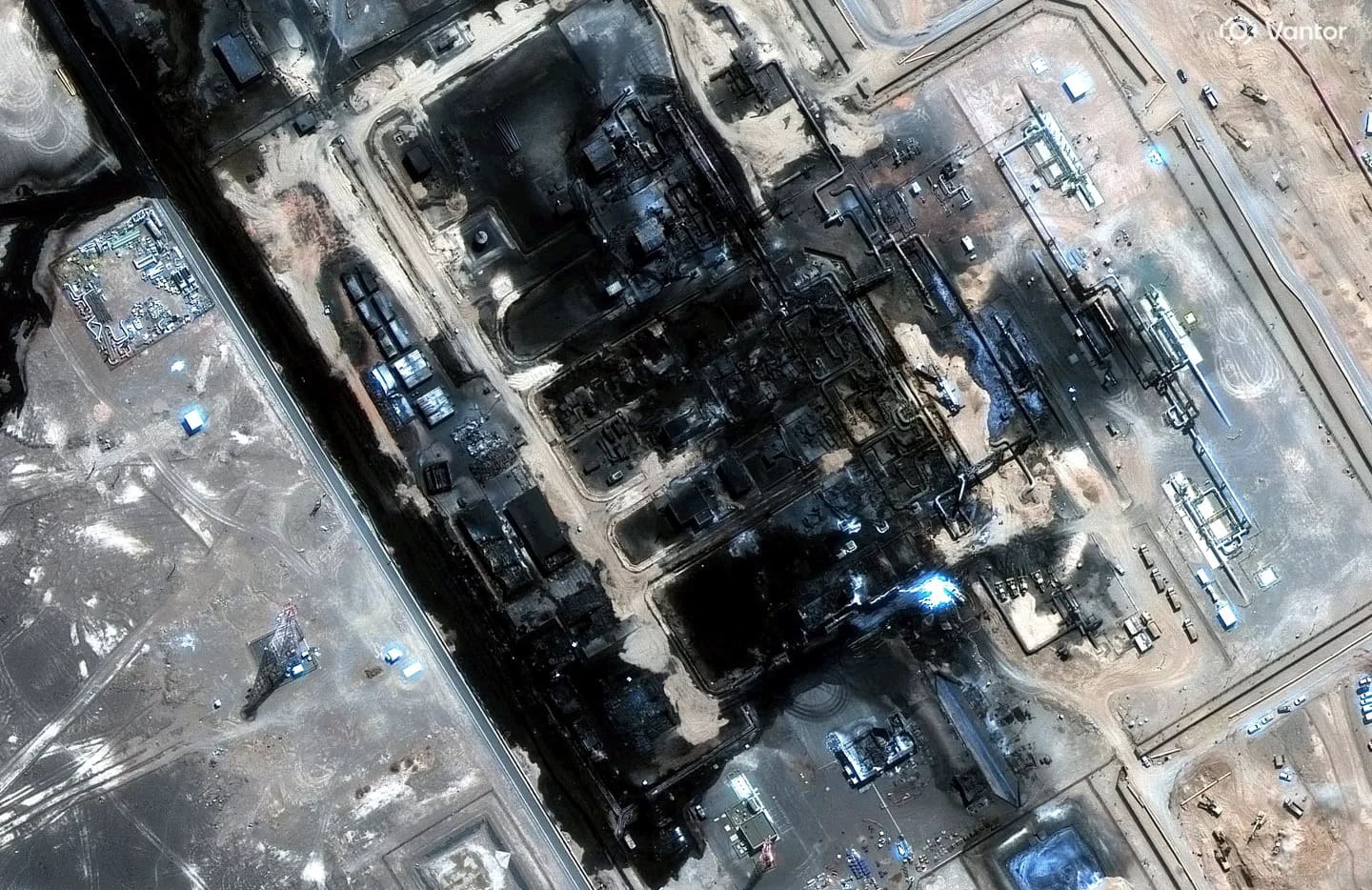
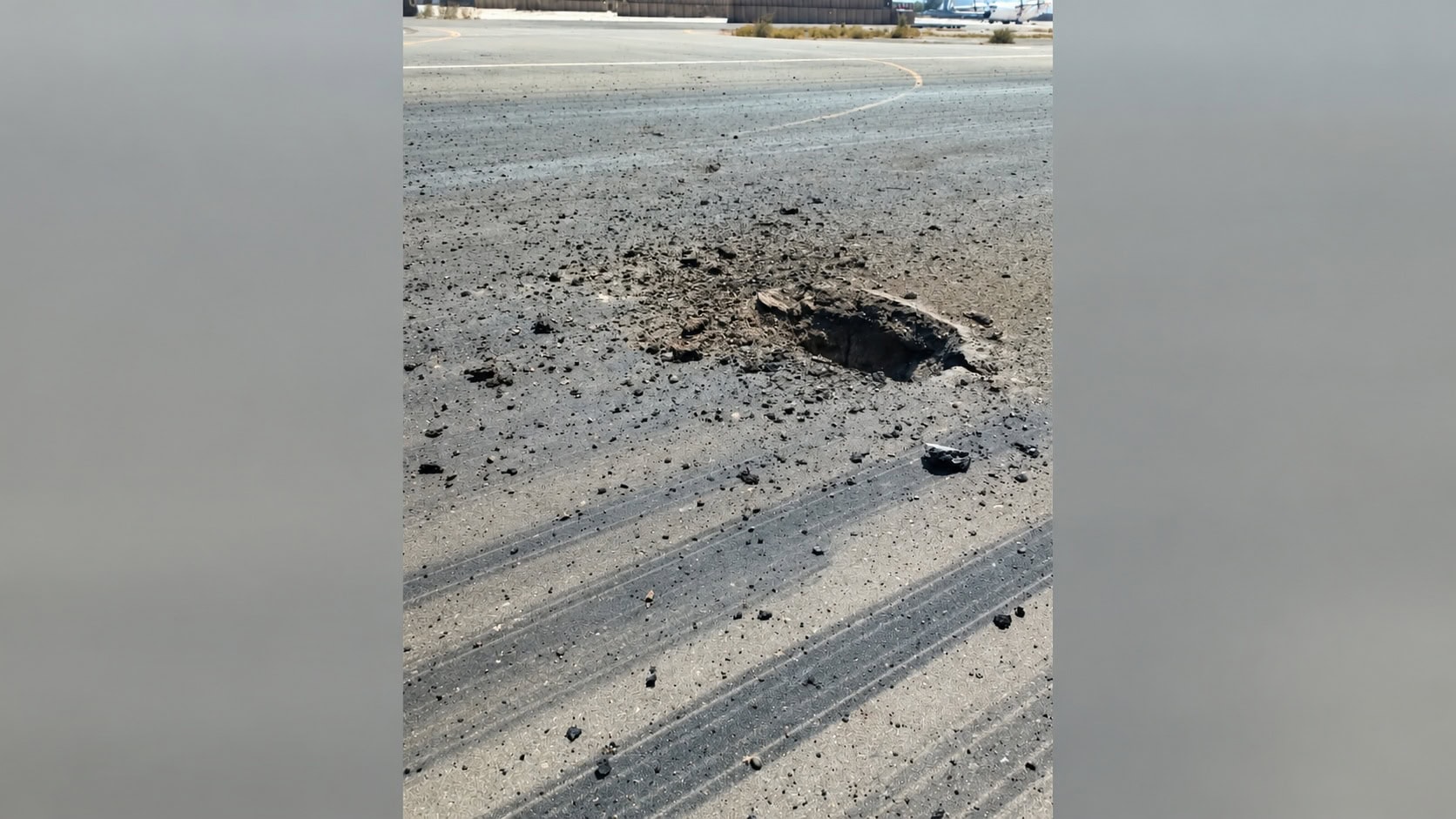
The issue has become more urgent because the latest escalation launched by the Houthis in July 2026, which peaked in October, is the most dangerous since the 2022 truce .For the first time, Saudi Arabia’s civilian heartland has come under systematic attack, with strikes targeting airports in Abha, Riyadh, and Dammam. The attack on King Khalid International Airport killed 13 people and injured more than 300. The attacks then extended to the Aramco headquarters in Dhahran, culminating in shrapnel falling over Mecca and Medina on October 24. This escalation is directly linked to the repercussions of the US-Israeli war on Iran in February 2026 and the subsequent failure of negotiations, making the Yemeni front part of a broader regional conflict.
This paper addresses a central question: What options does Riyadh have to end the conflict, and how does the opening of the "Mecca Alliance" to Tehran alter the calculations behind each option? It proceeds from the premise that Yemen is no longer a separate file, but part of the broader security equation encompassing the Gulf, the Strait of Hormuz, and the Red Sea.
Riyadh’s Dilemma: An Exposed Heartland and Disunited Allies
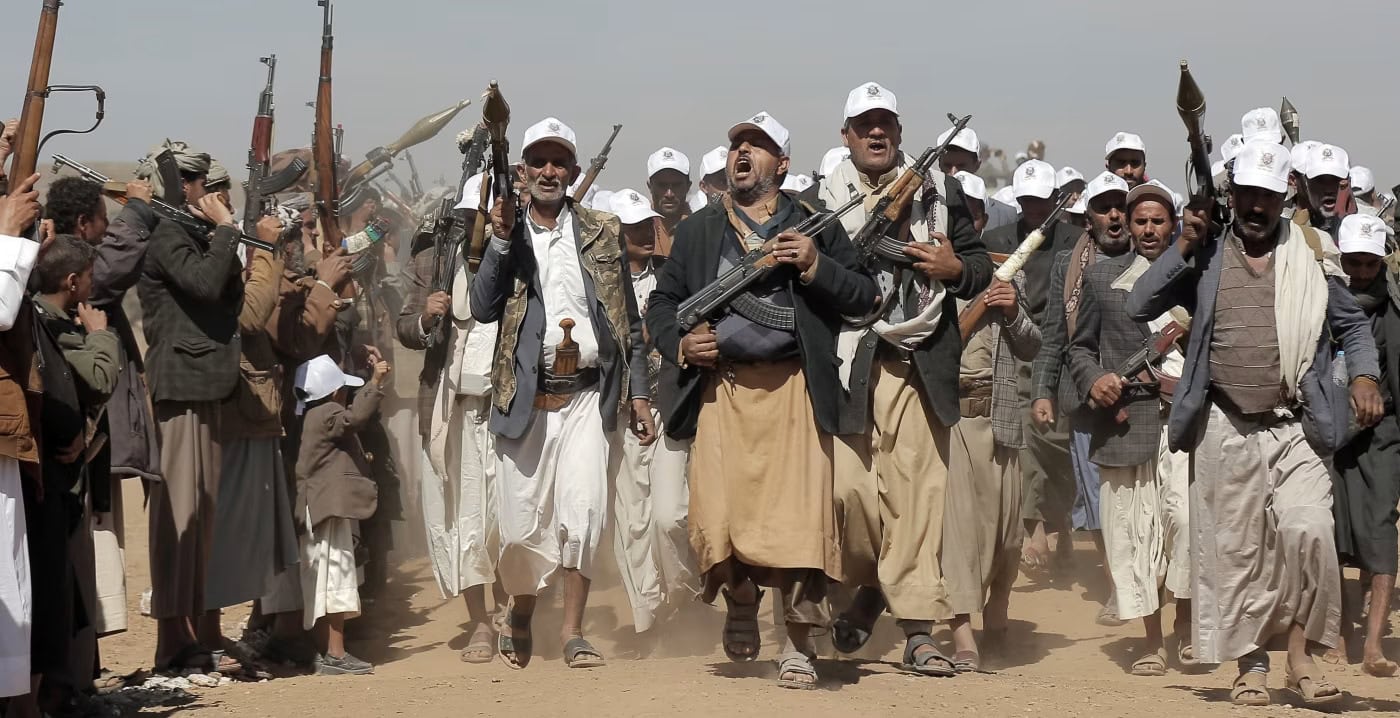
This escalation differs from earlier ones because the Houthis are waging it as a decisive, existential battle rather than another round of pressure. Their declared and leaked demands go beyond ending the war, lifting restrictions on ports and airports, and paying salaries to include war reparations. They are seeking to seize control of the western coast and Bab Al-Mandab at any cost, giving Tehran a bargaining chip to match its influence over the Strait of Hormuz. Field indicators reveal the scale of this ambition, most notably the deployment of senior Houthi security figures from Sanaa, Hodeida, and elsewhere for the first time, after they had been absent from the front lines for years. One prominent example is Abu Ali Al-Hakim, who was recently spotted in Taiz, with reports emerging that he had been injured. This is also seen as evidence of significant attrition within the group’s ranks.
However, the Houthis are not as powerful as their media portrays them to be. The areas lost along the western coast and in Taiz were longstanding weak points that Saudi Arabia had failed to address, making their fall predictable. The Houthis succeeded more in choosing the timing than in demonstrating military superiority, striking Riyadh at a moment when its allies on the ground were exposed and divided. The forces led by Tariq Saleh, which withdrew from the coast, were built and supported by the UAE for years, although Riyadh has continued to support them in recent months. The Saudi-Emirati dispute also appears to remain unresolved to some extent, despite recent exchanges of visits between the two capitals. In Taiz, forces affiliated with the Muslim Brotherhood withdrew from several positions and handed some of them over to the Houthis without a fight. Riyadh had previously failed to win them over. In South Yemen, meanwhile, the bombing of Southern forces in Hadramout in early 2026 and subsequent attempts to dismantle them left a popular base resentful of Saudi Arabia’s position, while weakening the most important front that had served as a formidable barrier to Houthi expansion.
By contrast, Riyadh holds significant cards, including a collective deterrence framework through the "Mecca Agreement" on mutual defense with Türkiye and Pakistan, signed on August 7, Western defense support, authorization from the Egyptian parliament for defense assistance; and international cover provided by the Security Council presidential statement on October 15. Most importantly, it holds the economic leverage the Houthis genuinely need, including salary payments, reconstruction, and the reopening of airports and ports. Yet these assets face other hard constraints. Saudi Arabia’s civilian infrastructure and energy facilities remain exposed to inexpensive missiles and drones, while the cost of war weighs on investment, tourism, and Vision 2030 projects. Any sustainable deterrence also depends on Washington’s shifting position. Moreover, the Mecca Alliance has not been activated in practice. Ankara and Islamabad appear content to provide logistical and training support and are unwilling to enter the war as parties so long as Saudi Arabia leads the coalition fighting in Yemen.
Added to this are the Houthis’ own growing capabilities. They have used the years of the truce to expand domestic drone production, diversify supply routes, and deepen coordination with the "Axis of Resistance." Reports speak of experts from Lebanon, Iran, and Iraq participating in managing the battle. Observers have also pointed to indications of intelligence support from major powers, amid reports that Russia has provided the Houthis with satellite data to target ships in the Red Sea. Such support may also explain the accuracy with which some targets in Saudi Arabia and South Yemen, particularly in Shabwa and Aden, have recently been hit.
Between Decisive Victory, Attrition, and Settlement
Debate within Saudi circles and among those close to them is divided between two camps. The first believes the conflict has reached a point of no return, that any further concessions will not change the Houthis’ position but will instead give them time to strengthen their capabilities, and that the group remains a militia that can ultimately be defeated if Riyadh overcomes its hesitation. The second position has been voiced by some Saudi elites, who have described recognizing the Houthis as representatives of Yemen as both a definition of the problem and half its solution. This coincided with an editorial in Okaz newspaper describing the internationally recognized government as ineffective in the effort to liberate the country. Between these two camps, four options emerge, which can be summarized as follows:
Option One: Military Decisiveness. This would involve supporting Operation "Fajr al-Yemen”, Dawn of Yemen, until Sanaa is retaken and the Houthis’ missile capabilities are dismantled. It is consistent with the Saudi Cabinet’s stated position on "ending the coup and restoring the state." However, this option faces genuine obstacles, including the experience of Operation Decisive Storm since 2015, the fragmentation of the internationally recognized government’s forces, the risk of sectarian escalation, and a humanitarian catastrophe in which more than 18 million Yemenis face acute food insecurity, according to the United Nations.
Yet these obstacles are also directly related to how the battle itself has been managed from the outset, a record widely described as a failure, rather than to the principle of achieving a decisive victory. Most of these problems stem from mistakes in building the coalition that can be addressed, rather than from Houthi superiority that cannot be overcome.
Option Two: Open-Ended Attrition. This is what will happen automatically if Saudi Arabia fails to make a political decision. Attacks on each side’s strategic hinterland will continue without any clear prospect of an end, the Kingdom’s image as a safe environment for investment will erode, and Iran will retain an active pressure card on its doorstep.
The likelihood of this option increases under two circumstances. The first is the failure of the dialogue track opened by the Mecca Alliance delegation in Tehran on October 26. Part of the purpose of this visit was likely to persuade Iran to restrain the Houthis and halt the supply of weapons and money to them. Failure would eliminate the most immediate political way out while leaving the flow of arms intact. The second is a renewed war against Iran, a possibility that could become more likely after the US midterm elections. Tehran would then turn to the Yemeni front as a means of exerting pressure on the Gulf and Washington, leading to intensified attacks on vital energy facilities across the region and on maritime navigation in the Red Sea.
Option Three: A Settlement on Houthi Terms. This would mean recognizing the Houthis as the sole representative of northern Yemen in exchange for freeing the Saudi economy from the threat of missiles. The logic behind this option is that the Kingdom is a major regional power that cannot afford to have its economic role in the Red Sea and the Strait of Hormuz disrupted for long, and that it has historically dealt pragmatically with its adversaries.
In the 1960s, Saudi Arabia supported the Imamate rule in northern Yemen against the republican government. Some Saudi elites also argue that the Kingdom’s only problem with the Houthis is their subordination to Iran. According to this reasoning, it does not matter whether the Houthis are a class-based, lineage-oriented group that rejects equal citizenship, as long as an agreement with them can curb any threat to the Kingdom.
However, this option would mean abandoning the internationally recognized government and Riyadh’s local allies. It would also reward escalation at a time when the most important areas adjacent to Bab Al-Mandab are within the Houthis’ reach. Why would the religious group stop now, when an easy target lies before it?
Option Four: Combining Military Pressure with Negotiations. This would involve applying military pressure along the western coast to secure bargaining leverage through operations around Al-Mokha and efforts to lift the siege of Taiz, while offering economic incentives conditional on ending cross-border attacks against the Kingdom and establishing a buffer zone. This would be based on the roadmap sponsored by Oman and the UN envoy in recent years. The arrangement could also expand into a regional deal guaranteed by the countries party to the Mecca Agreement and Qatar, in exchange for Iran restraining the Houthis.
However, this option assumes that the Houthis are a proxy force that can be controlled by decisions from Tehran, while overlooking the fact that previous truces gave them opportunities to invest in and build up their capabilities.
When these options are assessed against the factor of time, withdrawal and a settlement on Houthi terms may appear to be the least costly choices today. In reality, however, they would postpone the war rather than end it, leaving Riyadh with a much larger bill in the aftermath. Attrition, meanwhile, would steadily exhaust the Kingdom’s resources and undermine its security without a clear end. Combining pressure with negotiations would ultimately do little more than give the religious group another respite in which to rebuild its military arsenal.
Military Decisiveness: The Option That Can No Longer Be Delayed
It is important to acknowledge that Riyadh now has no option but to continue the battle until the Houthis are removed from the equation of power. The Houthis are the ones who imposed an all-out, open-ended war, and previous concessions have not changed their position. Instead, they have given them more time to strengthen their military capabilities. More importantly, the group is already depleted in practical terms, despite the exaggerated image of its strength projected by its media. Deploying security leaders across several fronts reveals a shortage of combat personnel and a need to exhaust its leadership reserves. The group’s recent gains also came from longstanding weak points and withdrawals without a fight, not from any inherent military superiority. This means its balance of power is weaker than it appears. The present moment is therefore the optimal window for achieving a comprehensive military victory. However, this cannot be accomplished by repeating the mistakes of previous years. It requires rebuilding the conditions for such a victory at the domestic, battlefield, and regional levels.
This process could begin at home by unifying the anti-Houthi front before expanding operations. Resolving the dispute with the UAE and restoring military coordination with it would be enough to reactivate the role of the western coast forces in the battle alongside the Southern Giants Brigades and the Nation’s Shield Forces. Restoring the confidence of Southern forces also requires serious political and military measures. These could build on the position of the Southern Transitional Council, whose president, Aidarous Al-Zubaidi, recently condemned Houthi attacks on civilian facilities in the Kingdom, describing them as "terrorist." In Taiz, the issue of military forces loyal to the Muslim Brotherhood must be resolved by dismissing commanders who withdrew from their positions and handed them over to the Houthis without a fight, as happened with the Fourth Brigade led by Abu Bakr Al-Jabouli, who was recently dismissed. This would restore discipline to the front and correct the course of the battle. Such corrections must also extend to local administration. It is not possible to unify the front while appointing governors in government-controlled areas who have previously failed to manage the battle, as happened recently in Al-Jawf. This requires Riyadh to exert serious pressure on the internationally recognized government to review these appointments and adopt field competence as the criterion, rather than the political appeasement practiced by Presidential Leadership Council Chairman Rashad Al-Alimi.
Once the front is consolidated, military efforts can be directed toward the Houthis’ centers of gravity, beginning with retaking the western coast and securing Bab Al-Mandab, followed by lifting the siege of Taiz and then exerting pressure on Hodeida to cut off the group’s maritime supply lifeline. This effort would not be complete without a systematic campaign targeting missile launch platforms, missile depots, and drone manufacturing workshops, while avoiding strikes on civilian infrastructure. This would deny the group a narrative of "aggression" and reduce the humanitarian cost.
However, a battlefield offensive may not succeed for Saudi Arabia unless its own strategic hinterland is secured. This is where the Mecca Alliance comes in. It must be transformed from a theoretical commitment into an effective defense umbrella. If Ankara and Islamabad are reluctant to engage in the fighting because Riyadh is a principal party to the war, they can still contribute to an integrated air and missile defense system to protect airports, energy facilities, and the Two Holy Mosques. This would give Riyadh greater freedom to manage the battle without resorting to economic pressure on its local allies in Yemen.
The risks of this option should not be underestimated. The human and economic costs will undoubtedly be high, and both the Saudi and Yemeni strategic hinterlands could face more intense attacks, in addition to growing international pressure over the humanitarian situation. Therefore, a military victory must be accompanied by a political narrative presenting the battle as an effort to restore the Yemeni state from the Houthi coup, rather than as a Saudi war. It should also be accompanied by an aid and reconstruction package for areas under the control of the internationally recognized government, as well as a parallel Northern-Southern political process aimed at resolving the Southern issue and fulfilling the aspirations of the population there for an independent state. Investment should also go toward building local military capabilities, rather than relying on direct US intervention or bringing in foreign forces carrying a jihadist ideology, which would only further complicate the Yemeni scene.
Ultimately, the issue is not a choice between war and peace, but between a war decided today on Riyadh’s terms, while the Houthis are at the height of their attrition, and a postponed war imposed on Riyadh tomorrow on the terms of the Houthis and Tehran, after they have had time to recover. A group pursuing a transnational ideological project and classified as "terrorist" in many countries will not become a peaceful neighbor through money or truces. Sustainable peace in the southern Arabian Peninsula can only be achieved by first breaking the group’s military capabilities.