SOUTH24 CENTER FOR NEWS & STUDIES
SOUTH24 CENTER FOR NEWS & STUDIES


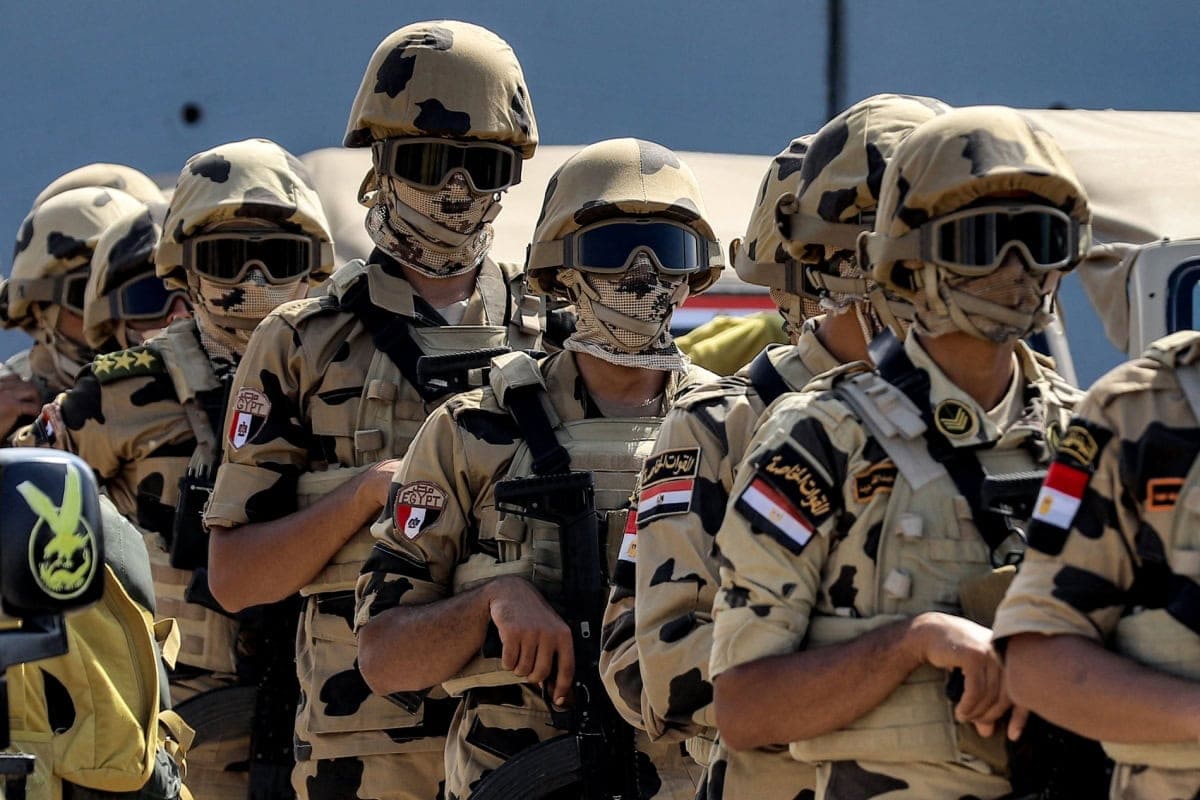
Members of the Egyptian Special Forces deployed along the border between Egypt and the Gaza Strip in Rafah, October 20, 2023. (AFP)
01-11-2026 at 9 AM Aden Time

Mohammad Fawzi (South24 Center)
The Egyptian parliament’s approval of authorizing the political leadership to act in support of Saudi Arabia in confronting the Houthi escalation marks an important development in Egypt’s position. It moves the issue beyond declarations of political solidarity and readiness to provide assistance towards preparing the institutional framework for considering more practical options, including military support if developments call for it. The significance of this step lies in its regional timing, amid mounting threats facing the Kingdom, growing risks to the security of the Red Sea and maritime routes, and the potential consequences of an expanding confrontation that could extend beyond Saudi Arabia and Yemen to affect Egypt’s economic and security interests.
On October 13, Egyptian Foreign Minister Badr Abdelatty reaffirmed Egypt’s solidarity with Saudi Arabia in confronting attacks by the Houthis targeting its territory. Abdelatty also indicated Cairo’s readiness to respond to any Saudi request for support, regardless of its form, “including military support,” stressing that the Kingdom’s national security is an integral part of Egyptian and Arab national security. However, the most significant development came on October 17, when President Abdel Fattah El-Sisi announced Egypt’s readiness to take the necessary measures to protect Saudi Arabia and called on parliament to convene an emergency session to consider authorizing such action if Riyadh requested it.
These developments have renewed questions about the nature of the support Egypt might provide to Riyadh and the limits of any action Cairo might take if Houthi attacks continue or expand in a way that threatens the Kingdom’s security and regional stability. They also open the door to a broader examination of Egypt’s strategic calculations in dealing with escalating developments in Yemen and the Red Sea, given the direct link between Saudi Arabia’s security, maritime navigation in the Red Sea, and the Suez Canal.
What Could Change Cairo’s Calculations?
At the outset of the current crisis, Cairo maintained an approach based primarily on keeping military options off the table and promoting a diplomatic and political settlement. However, recent developments in Egypt’s position raise questions about the factors that could prompt a shift in Cairo’s approach. These factors can be outlined as follows:
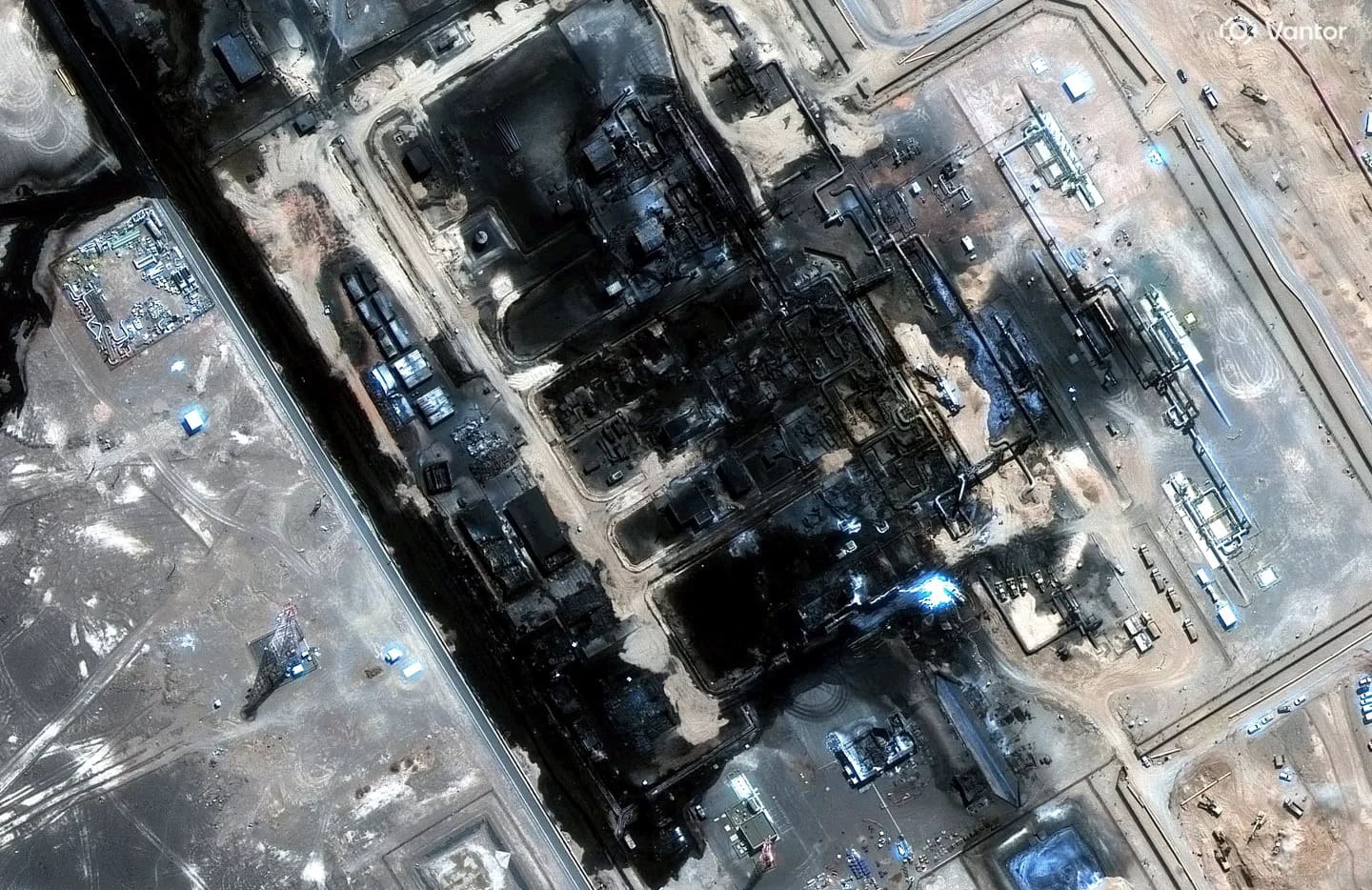
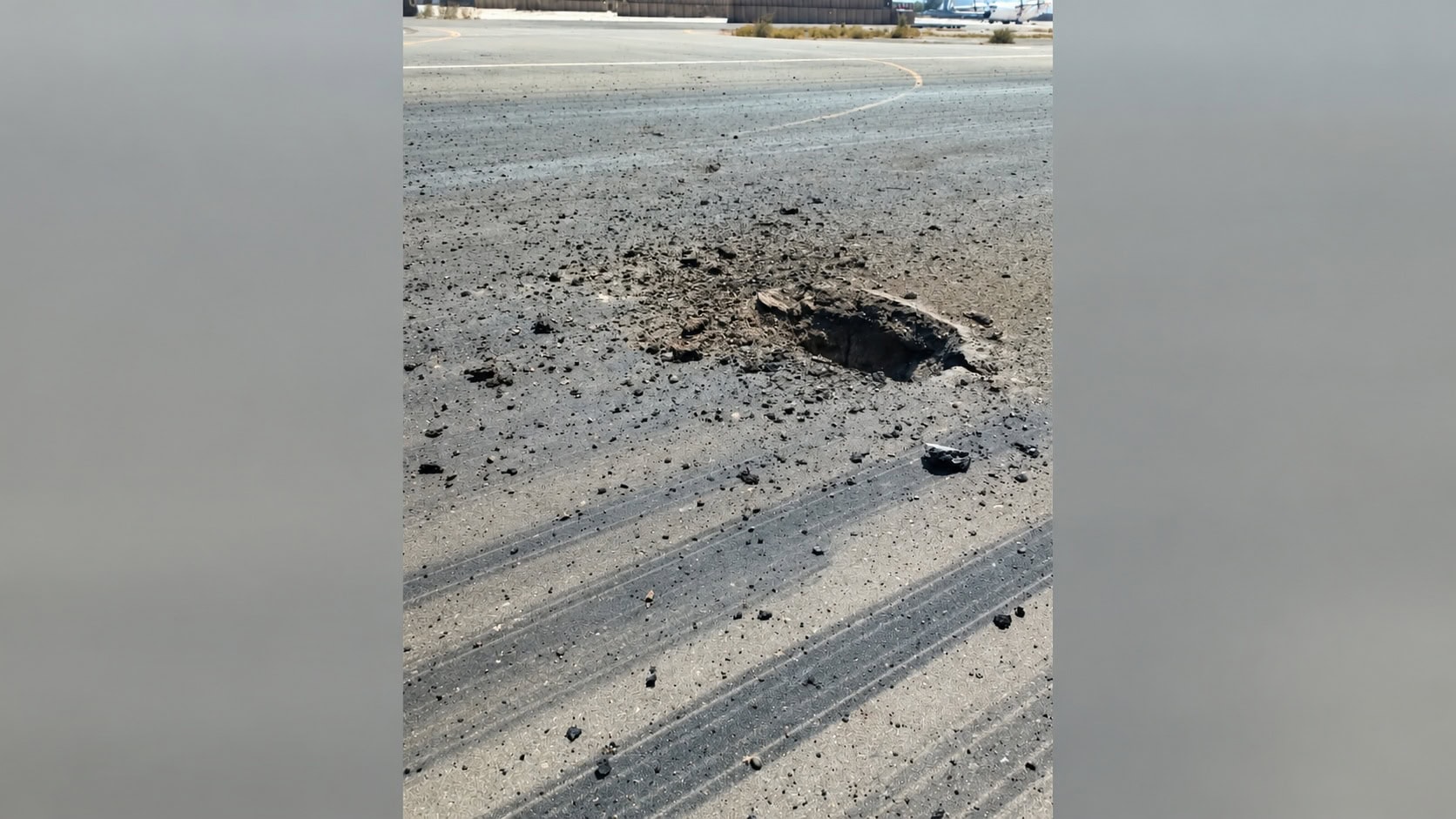
1. The growing nature and pace of Houthi attacks: Houthi militia attacks have escalated noticeably in both frequency and nature in recent days. The targeting of King Khalid International Airport in Riyadh on October 8, followed by attacks that caused fatalities and hundreds of injuries, marked a qualitative shift in the nature of the threat facing the Kingdom. The attacks also extended to facilities linked to Saudi Aramco in the Eastern Province, including a limited fire at an administrative building on October 13. As Houthi attacks expand to include airports, economic facilities, and civilian infrastructure, the likelihood increases that Egypt’s position could move from political solidarity towards more clearly defined security and defense support arrangements, particularly if Riyadh requests a specific Egyptian contribution.
2. Targeting Saudi oil infrastructure: The Houthi militia may seek to expand its targeting of Saudi oil facilities and infrastructure in the coming period, signaling a widening range of risks facing the Saudi energy sector. In this context, any further escalation threatening oil production or exports could prompt Egypt to deepen coordination with Riyadh, given the impact of disruptions to energy markets on Egypt’s import bill, transportation and insurance costs, and supply chains.
3. Efforts to bring Egypt into the Mecca Agreement: This possibility takes on considerable significance in light of statements made by Egyptian Foreign Minister Badr Abdelatty on October 13, 2026, in which he confirmed that Egypt’s accession to the joint defense agreement bringing together Saudi Arabia, Türkiye, and Pakistan was under serious consideration. He also referred to an existing four-party consultative framework involving the four countries. In this context, the current crisis could accelerate consultations on regional security arrangements, including within the framework of the Mecca Agreement, particularly given the efforts and interest of Türkiye, Pakistan, and Saudi Arabia in bringing Egypt into the agreement.
4. The Houthis moving towards disrupting navigation in Bab Al-Mandab: Any Houthi move to target commercial shipping or broadly disrupt navigation through the Bab Al-Mandab Strait could mark a fundamental turning point in Egypt’s calculations. It would shift the crisis from a direct threat to Saudi national security to one affecting Egypt’s strategic interests in the Red Sea and the Suez Canal. The strait is a key gateway for trade between Asia and Europe. Any prolonged disruption could prompt shipping companies to reroute vessels around the Cape of Good Hope, raising transportation and insurance costs, extending voyage times, and increasing pressure on Suez Canal revenues. In such circumstances, Cairo would no longer view the escalation as merely an extension of the Saudi-Houthi confrontation, but as a direct threat to one of its most important economic lifelines and its maritime security domain.
In this context, it is important to note that Egypt was among the countries most affected by Houthi actions in the Red Sea. President Abdel Fattah El-Sisi announced that Egypt lost approximately $7 billion in Suez Canal revenues in 2024 as a result of regional developments and disruptions to maritime traffic. According to Suez Canal Authority data, actual canal revenues fell from approximately $10.25 billion in 2023 to $3.99 billion in 2024.
What’s After the Parliament’s Approval? Expected Next Steps
Recent Egyptian statements and positions point to a broad range of possible support options, particularly given Cairo’s declared readiness to respond to Saudi requests, including for military assistance, while continuing diplomatic efforts to contain the escalation. In this context, and in light of the constraints shaping Egyptian foreign policy, Cairo may pursue several options, as outlined below:
1. Greater involvement in the maritime defensive coalition: Cairo may seek to expand its participation in the multinational maritime defensive coalition led by Saudi Arabia, which aims to protect freedom of navigation and secure trade and energy routes in the Red Sea, Bab Al-Mandab Strait, and Gulf of Aden. Considering escalating Houthi threats, this could include strengthening Egypt’s contribution to maritime planning and coordination, intelligence sharing, and joint exercises, as well as considering naval contributions commensurate with the coalition’s operational requirements and Egypt’s sovereign decisions.
2. Continuing Egyptian mediation efforts: One possible scenario is for Cairo to make use of its available direct communication channels with Iran, alongside its ongoing coordination with Riyadh, to contain the Houthi escalation and prevent it from developing into a wider regional confrontation. This could involve urging Tehran to use its influence with the Houthis to halt attacks on Saudi territory and vital facilities and ensure that the confrontation does not extend to disrupting navigation through Bab Al-Mandab.
This scenario is reinforced by the talks held between Egyptian Foreign Minister Badr Abdelatty and his Iranian counterpart, Abbas Araghchi, on October 13, 2026. During the meeting, the Egyptian foreign minister called for an immediate halt to attacks on Saudi Arabia, describing them as unjustified and unacceptable, while also urging de-escalation and a return to negotiations.
3. Strengthening intelligence cooperation and information sharing: This scenario envisages Cairo and Riyadh expanding the exchange of information and assessments concerning Houthi threats, including developments in missile and drone capabilities, potential escalation trends, and risks facing vital facilities and maritime routes. This approach would help strengthen Saudi defensive preparedness and develop joint threat assessments without necessarily requiring direct Egyptian participation in military operations.
4. Strengthening Saudi defensive capabilities: Cairo may consider providing forms of non-offensive military support, including training, the exchange of technical expertise, maintenance, and logistical assistance, in accordance with Saudi needs and Egypt’s available capabilities. This possibility becomes increasingly important if Houthi attacks on airports, economic facilities, and critical infrastructure continue, heightening the need to strengthen defensive readiness and the ability to respond to aerial threats.
Cairo Moves Towards Preparing for Military Action
Recent statements by Egyptian President Abdel Fattah El-Sisi, in which he affirmed that Egypt would take any measures necessary to protect Saudi Arabia and called on parliament to convene an emergency session to authorize such action “if we are asked to do so,” carried implications that go beyond solidarity with Saudi Arabia. They signal a more advanced stage in Egypt’s position. The main implications of El-Sisi’s remarks can be outlined as follows:
- El-Sisi’s request for parliamentary authorization indicates that Cairo wants to demonstrate its readiness to move towards practical steps if Riyadh submits an official request for help. While the foreign minister’s October 13 statements conveyed a message of solidarity and readiness to provide support, the presidential move adds an institutional dimension aimed at preparing the necessary political cover for any potential defensive or military action.
- The Egyptian president’s statements convey a message that continued attacks on Saudi territory could broaden the range of parties willing to support the Kingdom, and that Cairo does not rule out providing assistance beyond diplomatic action if circumstances require it. This position could influence escalation calculations by increasing the potential political cost of continued attacks.
- Egypt’s announcement could give Riyadh greater room for political manoeuvre in confronting the Houthis, sending a message that the Kingdom does not have to manage the threat alone. This could complement Egyptian mediation efforts and communications with Iran. Cairo could use its readiness to provide support, alongside its diplomatic relations, to exert pressure towards halting the attacks. In this context, the military and diplomatic tracks are not necessarily mutually exclusive alternatives. Rather, Cairo may pursue both in parallel to prevent the confrontation from widening.
- El-Sisi stressed that any action would be taken in response to a Saudi request, making the nature of that request one of the key factors shaping Egypt’s decision. If the request is limited to strengthening defense cooperation or supporting the protection of vital facilities, Egypt’s contribution may remain limited in scope. However, if it extends to securing maritime navigation in the Red Sea or carrying out direct military missions, the nature and duration of the mission, its risks, and the political and legal guarantees associated with it would become central to Cairo’s calculations. Therefore, potential authorization does not mean that all intervention options have become equally likely or that direct combat participation is inevitable.
- El-Sisi was careful to use the phrase “if we are asked to do so,” which carries important implications for the nature of Egypt’s commitments and the limits of any potential action. It makes any defensive intervention conditional on a request from Saudi Arabia, reflecting Cairo’s approach of supporting Riyadh without announcing unilateral or unconditional military action. Accordingly, the significance of the statement lies not only in declaring readiness to act, but also in linking that readiness to a potential Saudi request and an internal institutional framework, while leaving the nature, scope, and timing of any mission dependent on subsequent developments.
Now that the Egyptian parliament has approved the authorization requested by President Abdel Fattah El-Sisi regarding the deployment of forces to Saudi Arabia, the next steps are likely to include the following:
- Egyptian-Saudi coordination over the submission of an official request by Saudi Arabia and the determination of the forms of support it seeks, particularly in the defense domain.
- The political and military leaderships are likely to determine, in coordination with the Saudi side, the nature, size, tasks, and duration of the force, as well as its rules of engagement. The plan would need to clearly identify the objectives the forces are tasked with protecting, the limits of their deployment, and the authority responsible for issuing operational orders.
- In light of Egyptian statements, Cairo’s approach appears likely to focus on strengthening air defense, early warning systems, intelligence sharing, technical and logistical support, and training, or deploying specialized defensive units if Riyadh requests it.
Overall, parliamentary approval of the authorization to support Saudi Arabia represents an important development in Cairo’s approach to the Houthi escalation. Egypt’s position is no longer limited to declaring political solidarity and calling for de-escalation. It now includes preparing the institutional framework for considering practical options that could include military support if Riyadh requests it. Nevertheless, this development does not mean that a decision on direct combat participation has been made. Rather, it reflects Egypt’s readiness to broaden the range of instruments at its disposal to support the Kingdom, while retaining room to determine the nature and limits of any action in accordance with its national interests and regional developments.
At the same time, Cairo’s ability to combine defensive preparedness with diplomatic engagement will remain a decisive factor in managing the crisis. Egyptian support for Riyadh does not necessarily conflict with continued regional efforts to halt the attacks. Rather, the two tracks could complement one another in an effort to raise the cost of escalation for the Houthis and encourage the parties concerned to avoid an open regional confrontation.
Previous article