SOUTH24 CENTER FOR NEWS & STUDIES
SOUTH24 CENTER FOR NEWS & STUDIES


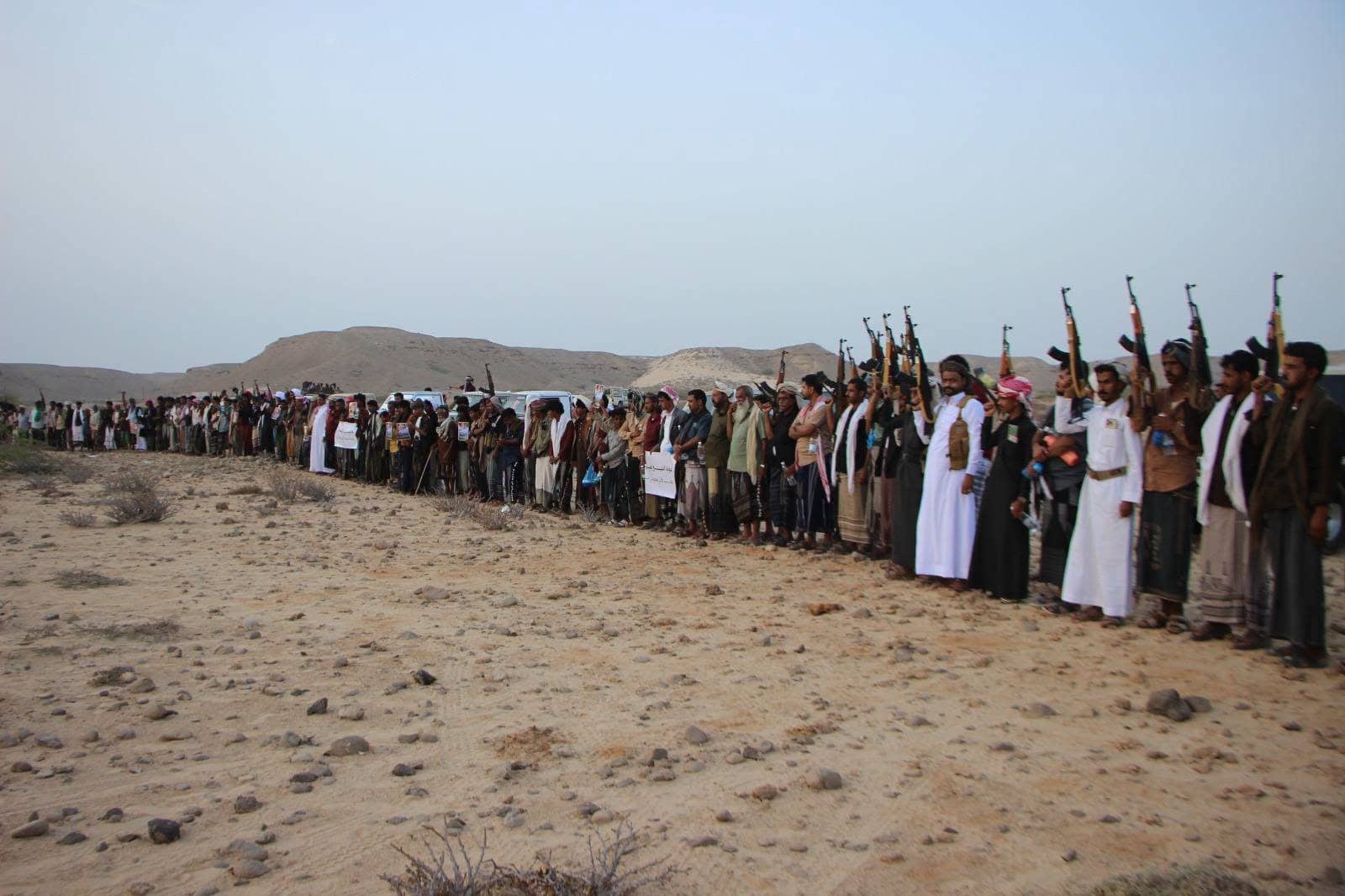
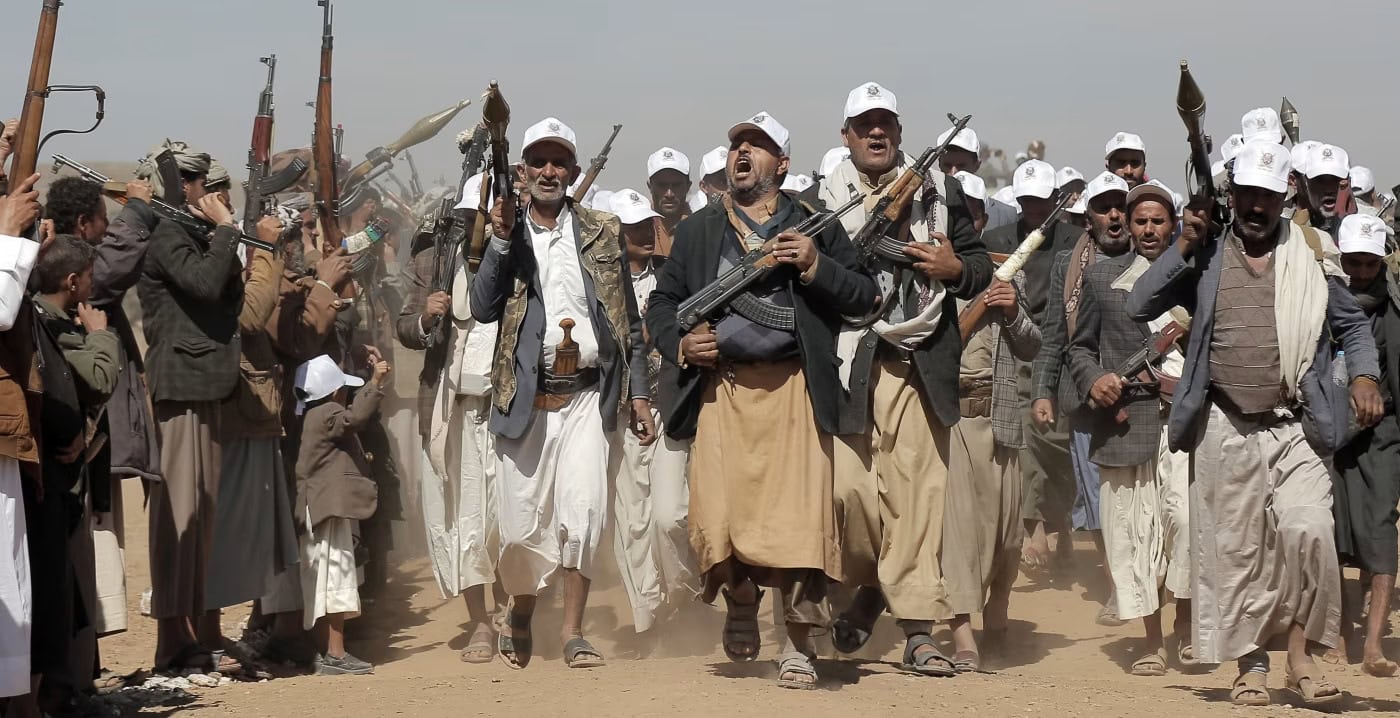
Armed members of the Al-Hamoum tribe, one of Hadramout’s largest tribal groupings, during a gathering that gave authorities one week to facilitate Sheikh Amr bin Habrish’s return to the governorate, August 23, 2026 (Activists)
24-08-2026 at 7 PM Aden Time
South24 Center (Aden)
The Al-Hamoum tribes in Hadramout have given the Presidential Leadership Council (PLC) and the governorate’s local authorities one week to remove what they described as obstacles preventing the return of prominent tribal leader Sheikh Amr bin Habrish Al-Aliyi and his accompanying delegation from Saudi Arabia.
The deadline, announced by the tribes on Sunday (August 23), is due to expire on August 30. The tribes warned that “all options” would be available to them if Bin Habrish and his delegation were not allowed to return.
The position was announced following an extraordinary meeting of Al-Hamoum tribal chiefs, religious dignitaries, sheikhs, and tribesmen in the Al-Harahir area of Al-Shihr District.
In a statement, the participants said the continuing restrictions had prevented Bin Habrish—First Deputy Governor of Hadramout, Head of the Hadramout Tribal Alliance, President of the Hadramout Inclusive Conference, and paramount sheikh of the Al-Hamoum tribes—from returning to the governorate.
The statement also alleged that his family had been prevented from leaving Saudi Arabia and returning to Hadramout.
It held the PLC and Hadramout’s local authorities fully responsible for obstructing the return of Bin Habrish and his delegation, as well as for any consequences arising from the continued restrictions.
The statement called for their immediate and unconditional return and urged Hadramout’s various political and social forces to unite in defense of the governorate’s land, resources, and political rights.
The tribes accused unnamed parties of seeking to monopolize decision-making in Hadramout, seize control of its resources, and impose tutelage over the governorate without regard for the will of its residents.
They also called on the Hadramout Tribal Alliance and the governorate’s other political, tribal, and social forces to convene an urgent, broad-based Hadrami meeting to discuss the developments and adopt a unified position.
The latest warning marks a new stage in a dispute that became public on July 23, when the Hadramout Tribal Alliance said Saudi authorities had prevented Bin Habrish and his delegation from completing their return journey through the Saudi side of the Al-Wadiah border crossing.
According to the Alliance, Bin Habrish travelled to Riyadh on January 25 at the invitation of the Saudi leadership, shortly after the military confrontations that took place in Hadramout between December 2025 and early January 2026. He spent nearly six months in the Kingdom, where he met Saudi officials and discussed political and security arrangements concerning Hadramout.
However, when he attempted to return on July 23, Bin Habrish was prevented from crossing the border and was sent back into Saudi territory, according to the Alliance, which described the measure as unexpected and inconsistent with established legal and administrative procedures and norms.
The Hadramout Inclusive Conference initially adopted a more restrained tone, stressing the strength of relations between Hadramout and Saudi Arabia and expressing confidence in the Saudi leadership’s ability to resolve the issue.
At the same time, it affirmed Bin Habrish’s legal right to freedom of movement and to return to his homeland, calling on the relevant Saudi authorities to review the measures that had obstructed his return.
The dispute escalated again in mid-August following reports that Bin Habrish’s wife and children had been prevented from boarding a Yemenia Airways flight from Jeddah Airport to Al-Rayyan Airport in Hadramout.
The Al-Hamoum statement cited the restrictions imposed on his family as part of what it described as continuing pressure on the tribal leader.
South24 Center could not independently verify the precise circumstances under which Bin Habrish or members of his family were prevented from travelling, or whether any formal travel restrictions had been issued against them.
Saudi authorities, the PLC, and Hadramout’s local authorities had not issued a public explanation regarding the measures by the time of publication.
On August 11, PLC member and Hadramout Governor Salem Al-Khanbashi met a delegation from the leadership of the Hadramout Tribal Alliance in Mukalla.
According to the local authority’s account, the meeting discussed developments in the governorate, the need to coordinate positions and preserve stability, and the importance of preventing political disagreements from weakening the Hadrami position.
However, the official statement about the meeting made no reference to Bin Habrish’s return or to the restrictions reported by the Alliance.
Despite its political differences with Bin Habrish, the Southern Transitional Council (STC) in Hadramout also called for him to be allowed to return.
On July 23, Ali Ahmed Al-Jafri, Acting Head of the STC Executive Body in Hadramout, said Bin Habrish and other southern figures currently in Riyadh had the right to return to their homeland without obstruction.
The Al-Hamoum tribes occupy a particularly important position in the current dispute. Bin Habrish is the paramount sheikh of the tribe, while Al-Hamoum was among the leading tribal forces that contributed to the establishment of the Hadramout Tribal Alliance in 2013.
The Alliance later emerged as one of the governorate’s most influential tribal and political entities, leading campaigns for greater Hadrami control over security, political decision-making, and oil revenues.
Bin Habrish also heads the Hadramout Inclusive Conference, which represents a broader political and civil umbrella associated with his project.
However, no single alliance represents the entire tribal landscape in Hadramout. The governorate includes several competing tribal and political groupings, particularly across the coast, Wadi, and desert areas.
Some founding figures within the Hadramout Tribal Alliance have previously accused Bin Habrish of monopolizing decision-making and called for the Alliance’s leadership to be restructured.
Other Hadrami forces support incorporating the governorate into a future federal southern state, while some groups advocate broader autonomy for Hadramout within Yemen.
Bin Habrish’s influence expanded significantly during 2024 and 2025, when the Alliance established tribal checkpoints and protest camps in the Hadramout Plateau and led campaigns demanding greater provincial control over Hadramout’s resources.
The Alliance also formed the Hadramout Protection Forces, which deployed around the Masila oil fields and other strategic facilities.
Following the military changes that took place in the governorate in early 2026, a process began to integrate these forces into official military and security institutions.
The dispute over Bin Habrish’s return comes amid renewed tensions surrounding plans to resume Yemen’s oil exports.
On July 20, PLC Chairman Rashad Al-Alimi announced that the government would work to resume oil exports, which have been suspended since the Iran-backed Houthi militia launched drone attacks on export terminals in Hadramout and Shabwa in late 2022.
Al-Alimi said oil revenues would be used to pay salaries across Yemen, including in areas controlled by the Iran-backed Houthi militia.
The announcement prompted objections from the Hadramout Tribal Alliance and other Hadrami and southern groups, which demanded clear guarantees regarding the management of the revenues.
The Alliance said oil exports from Hadramout should not resume until the governorate’s rights are guaranteed, previous commitments are implemented, and a defined share of the revenues is allocated to electricity and other essential services.
Hadramout’s local authorities, meanwhile, said they remain committed to securing the governorate’s established 20% share of the crude oil produced and exported from its territory.