SOUTH24 CENTER FOR NEWS & STUDIES
SOUTH24 CENTER FOR NEWS & STUDIES


STC
17-02-2026 at 8 PM Aden Time
Aden (South24 Center)
The Southern Transitional Council (STC) escalated its stance on Tuesday, February 17, rejecting the presence of ministers from northern provinces in the capital, Aden, as part of the new government led by Shayaa Al-Zindani, recently announced in Riyadh.
The move coincides with the STC leadership's reaffirmation of its commitment to South independence and its rejection of any political settlement that bypasses the Council.
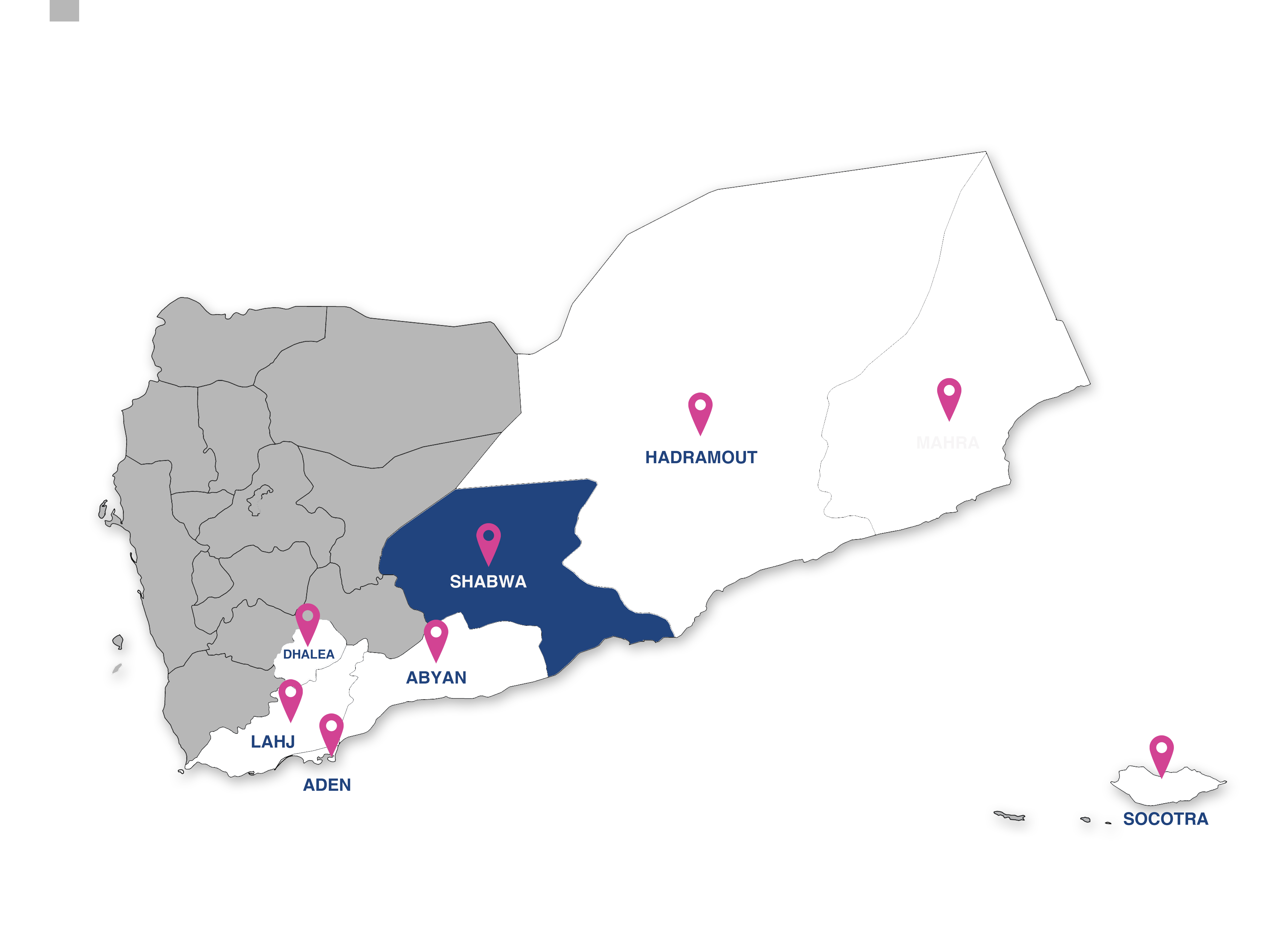
STC local leaderships in Aden, Lahj, Hadramout, Al-Dhalea, and Abyan stated that the recent appointments represent a "violation of the will of the people of the South and a breach of the partnership principles," calling for the rejection of any attempt to "impose a Northern political reality."
The STC’s Aden local leadership rejected what it described as the "exclusion of Southern cadres," saying the presence of these ministers amid "popular anger" would be a provocation to citizens and to the families of those killed. Other local leaderships warned of the consequences of any steps undermining the South cause.
The statements specifically rejected the entry of Defense Minister Taher Al-Aqili into Aden, holding those pushing for such a move responsible for any potential repercussions.
In parallel, the Administrative Body of the STC’s National Assembly held a meeting in Aden, chaired by Nasr Saleh Harhara. The body reaffirmed that the "people of the South remain committed to the project of restoring the state within its pre-1990 borders," asserting that the STC is a "figure that cannot be bypassed" in any political settlement.
The body further stated that the new government "does not represent the political will of the people of the South and constitutes a departure from previous understandings." It stressed the continuation of "political and peaceful struggle" and the enhancement of the Council’s international movement to translate popular momentum into political and economic gains.
Furthermore, it praised the mass rallies held in South cities in recent days, calling them a reflection of the grassroots alignment with the STC leadership headed by Aidarous Al-Zubaidi.
The new Yemeni government consists of 35 ministers, including eight ministers of state, four of whom have no clearly defined portfolios. This has reignited the debate over its nature — whether it is a government of technocrats or an expanded formula for political quota-sharing — especially with the exclusion of ministers linked to the STC.
Read more at: Yemen’s Anticipated Al-Zindani Government: Timing and Key Challenges
No immediate comment has been issued by the Yemeni government regarding the Council’s statements. This escalation comes amidst political tension and ongoing protests in South cities supporting the STC.
Previous article