مركز سوث24 للأخبار والدراسات
مركز سوث24 للأخبار والدراسات


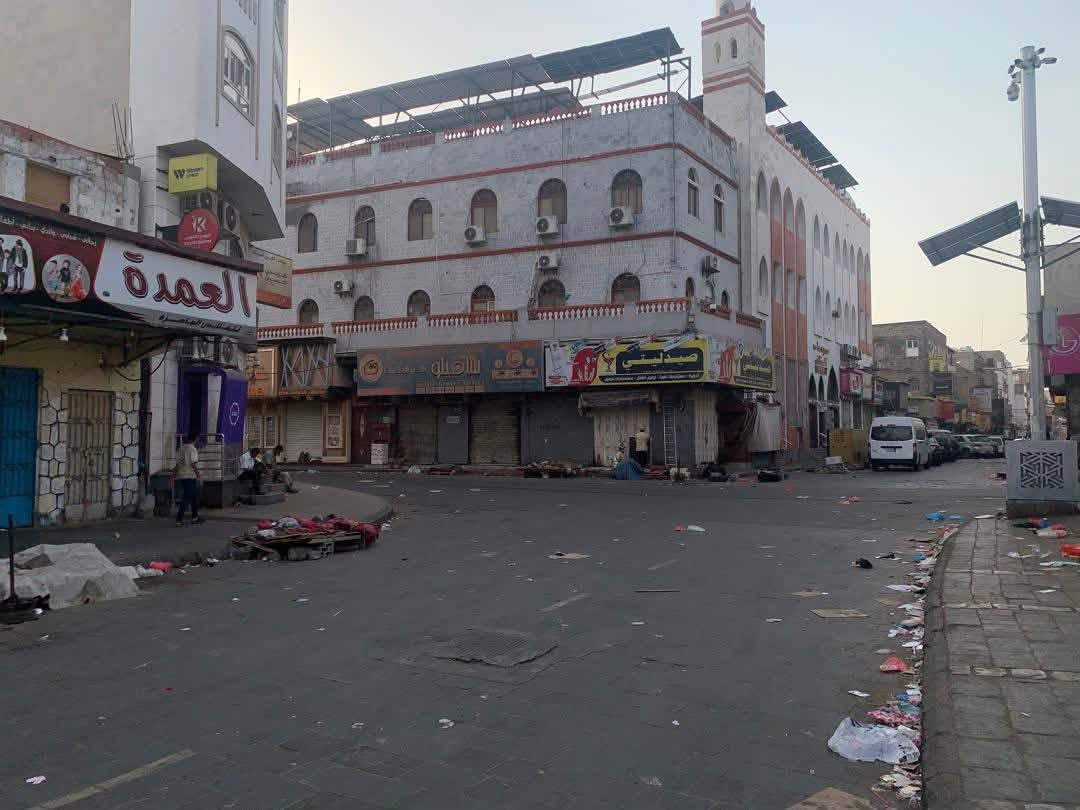
Empty streets are seen during a several-hour civil disobedience campaign in Aden, South Yemen, August 8, 2026. (Southern Transitional Council in Aden/Handout)
08-08-2026 الساعة 6 مساءً بتوقيت عدن
Aden (South24 Center)
Aden witnessed several hours of civil disobedience on Saturday (August 8), disrupting commercial and traffic activity across large parts of the city, as Southern protests expand over deteriorating public services, rising living costs and disputes over control of oil revenues in several governorates.
The Southern Transitional Council (STC) in Aden said all eight districts of the capital responded to calls for peaceful civil disobedience from 7:00 a.m. to 10:00 a.m., describing participation as widespread and saying commercial and traffic activity came to a near standstill during the protest period.
The council said the action came in response to a call by labor unions to protest deteriorating services and rising prices, and described it as a message rejecting what it called “tutelage and control over the resources of the South.”
The action in Aden is the latest stage of a broader program of peaceful popular escalation that has unfolded across Southern governorates in recent weeks, combining economic demands related to electricity, salaries and living conditions with political positions rejecting external intervention and disputes over the management of Southern resources.
In mid-July, the STC called for an open-ended program of popular and labor escalation in Aden and several Southern governorates, blaming the authorities for deteriorating electricity and water services and worsening economic conditions. Widespread protests followed in Aden and other Southern cities.
The latest escalation has also extended to Dhalea and Hadramout.
In Dhalea, government institutions, local authority offices and universities showed broad participation in a partial strike that entered its third consecutive day on August 5, according to local sources who spoke to South24 Center. Participants described the action as a gradual peaceful escalation aimed at pressing economic and political demands.
In Hadramout, the STC carried out a broader civil disobedience campaign on August 6, saying the move was intended to reject the resumption of oil exports if revenues were transferred outside the South or included in arrangements benefiting the Houthis in areas under their control.
The oil issue has increasingly become one of the main points of contention.
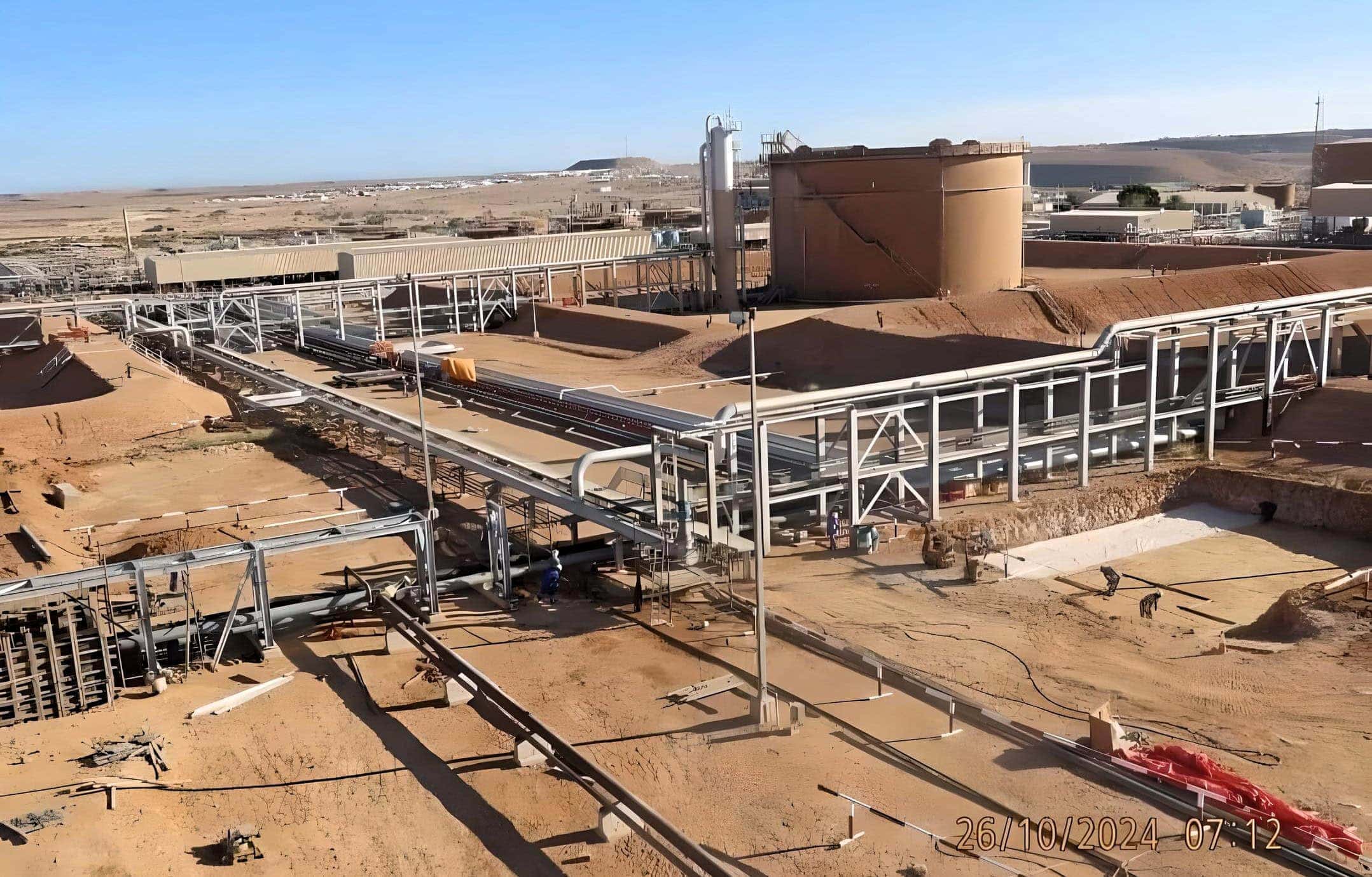
The STC in Hadramout has called for revenues from the governorate’s oil resources to be directed toward addressing local service crises, particularly electricity. The council said arrangements were underway to export around 2.5 million barrels of crude oil through the Al-Dhabba terminal. South24 Center has not been able to independently verify the figure or confirm that a shipment of that size has taken place.
The dispute intensified after Presidential Leadership Council Chairman Rashad Al-Alimi announced on July 20 that the internationally recognized government had begun work to resume oil exports, which had been halted since 2022 following Houthi attacks on export facilities.
Al-Alimi said revenues from resumed exports would be used to meet the state’s core obligations, including paying public-sector salaries, improving basic services and supporting economic stability.
The STC has rejected any arrangements it says could allow revenues from Southern oil resources to be directed to Houthi-controlled areas, while its branches in Hadramout have called for a larger share of revenues to remain in the producing governorate to address chronic crises, particularly electricity and basic services.
Oil exports are particularly sensitive because of their importance to the finances of Yemen’s internationally recognized government.
Houthi attacks on oil export facilities in late 2022 effectively deprived the government of one of its most important sources of foreign currency and public revenue. The International Monetary Fund said government revenues had fallen by more than eight percentage points of gross domestic product since 2022, with the suspension of oil exports among the main reasons.
The World Bank said in May that Yemen’s real gross domestic product contracted by 1.5% in 2025, with a further contraction of 0.5% projected for 2026.
According to the bank, government revenues fell to around 5.6% of GDP, limiting the authorities’ ability to spend on salaries, subsidies and essential public services.
The World Bank also estimated that nearly three-quarters of Yemen’s population lives below the poverty line, while the economy remains highly vulnerable to rising global prices, higher shipping costs and disruptions to food and fuel imports.


قبل شهرين
قبل 21 يوم
قبل 1 شهر