مركز سوث24 للأخبار والدراسات
مركز سوث24 للأخبار والدراسات


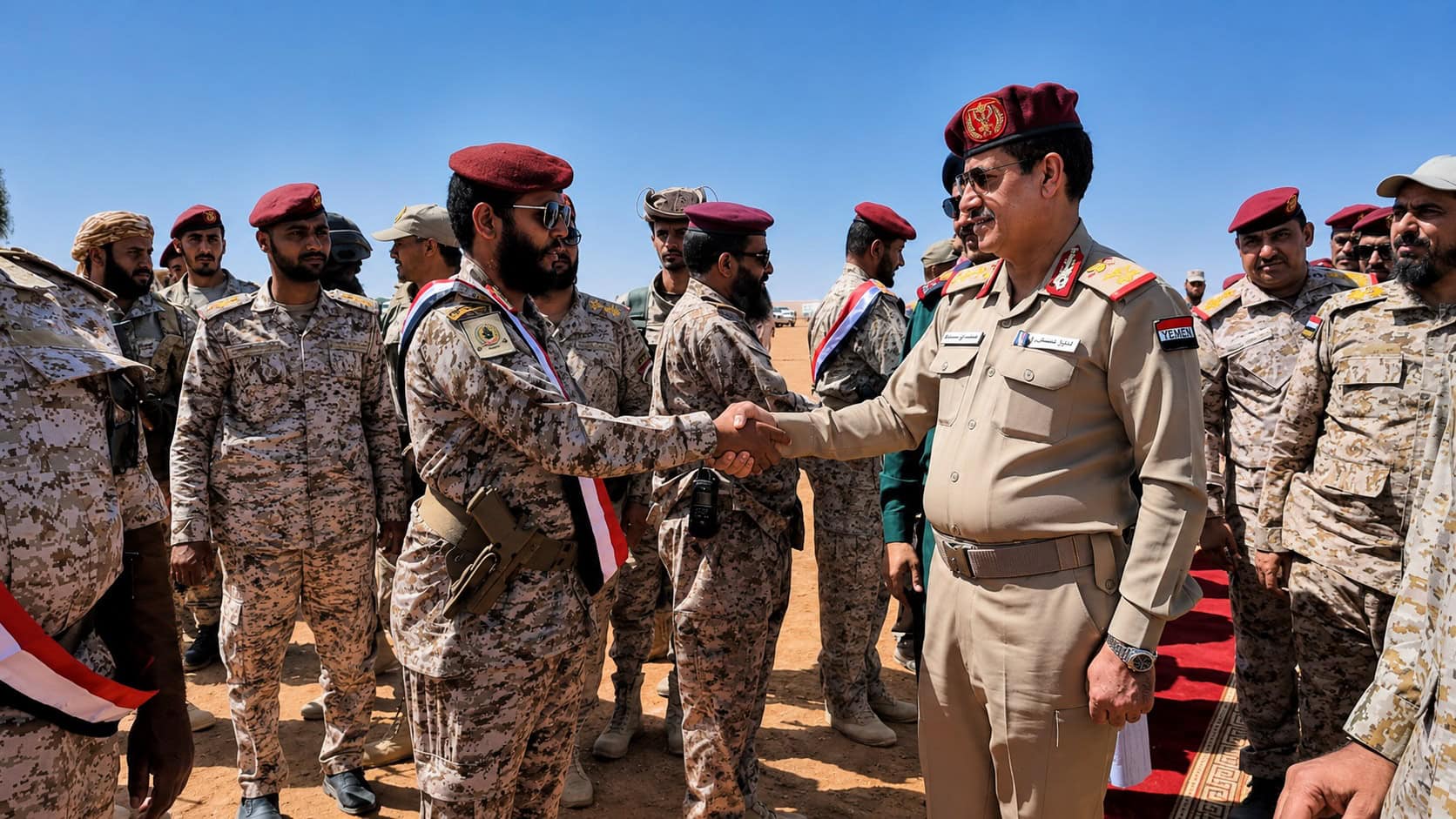
Yemeni Defense Minister Taher Al-Aqili visits the command of the Third Emergency Division in the Al-Abr area of Wadi Hadramout. (Emergency Forces Media – still image from video, cropped by South24 Center)
آخر تحديث في: 26-05-2026 الساعة 5 مساءً بتوقيت عدن
Seiyun (South24 Center)
Accusations that Yemeni Emergency Forces carried out arrests, raids and other violations in Wadi Hadramout have sparked a growing wave of tribal and political anger, amid calls for the release of detainees and an end to what local figures described as “extrajudicial transgressions.”
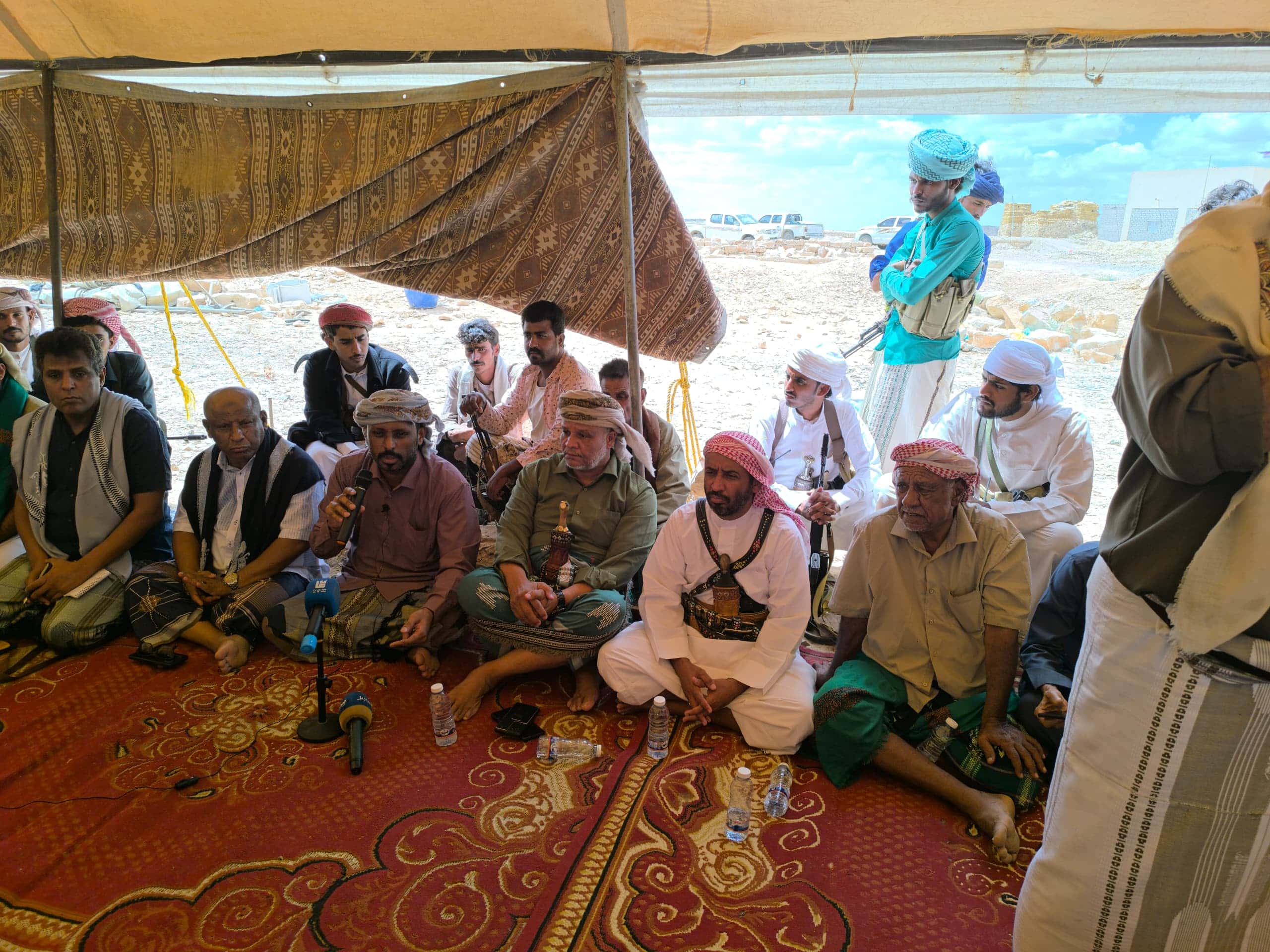
Sheikh Abdul Rab Ali bin Thabit Al-Nahdi, one of the sheikhs of the Nahd tribes, called on the de facto authority in Wadi Hadramout to intervene urgently to stop what he described as “transgressions” committed by the Emergency Forces in the Al-Khasha’a area of Wadi al-Ayn and Hura District.
In an official statement on Monday (May 25), Al-Nahdi said the forces had arrested several local residents “without any legal justification” and prevented their families from communicating with them.
He added that night raids had targeted citizens’ homes and caused “terror among women and children,” describing these practices as a violation of the sanctity of homes, citizens’ dignity and public peace.
He called for the immediate release of the detainees — Awadh Mubarak Awadh bin Badr, Ali Saleh Mabrook bin Badr and Saleh Fares Saleh Al-Sayari — an end to night raids, and an “urgent and transparent” investigation into the violations.
In a related context, the auxiliary executive body of the Southern Transitional Council (STC) in Wadi and Desert Hadramout issued a statement on Tuesday condemning these transgressions.
The statement emphasized the STC’s rejection of the existence of “any private prisons or detention facilities outside the rule of law,” calling for the release of the detainees and an end to practices it described as a “dangerous escalation and a criminal act.”
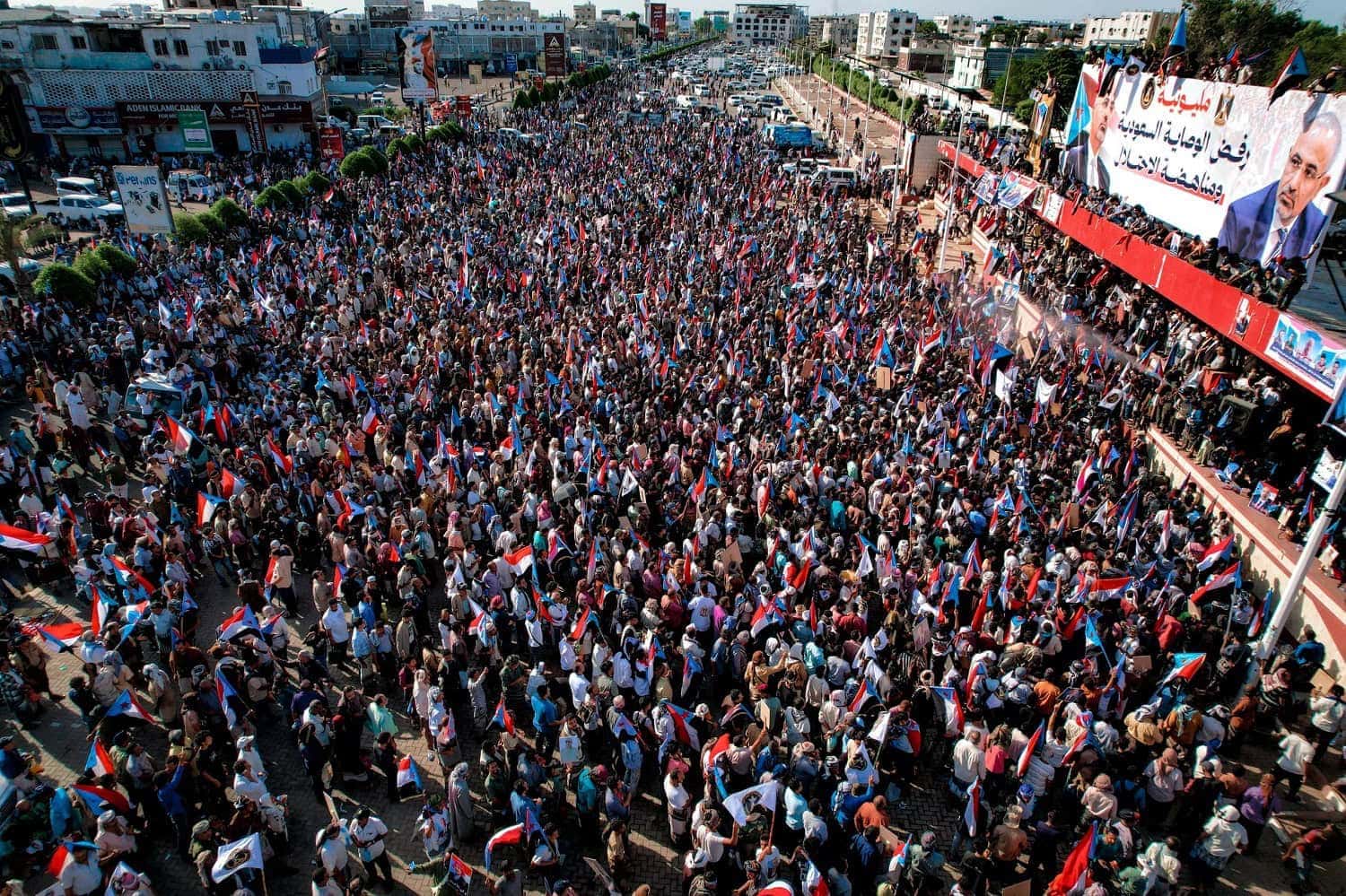
The Council also declared its full support for peaceful tribal and public movements rejecting what it described as the “violations of the Yemeni Emergency Forces” in the region.
These developments come amid mounting controversy in Hadramout over the deployment of Yemeni Emergency Forces in Wadi Hadramout, as part of security and military arrangements the governorate has witnessed over the past months, coinciding with the return and reorganization of northern soldiers into the First Military Region in Wadi Hadramout.
On May 23, the STC in Wadi and Desert Hadramout held an expanded meeting in Seiyun, during which it rejected the continued presence of Yemeni Emergency Forces in the Wadi and called for their immediate withdrawal, as well as enabling the people of Hadramout to manage the governorate’s security and military files.
The Council had previously accused these forces of raiding the home of Mohammad Abdulmalik Al-Zubaidi, head of the STC’s auxiliary executive body in Wadi and Desert Hadramout, and looting several STC offices in the Wadi.
It said the forces stormed the auxiliary executive body’s headquarters in Seiyun, targeted other offices, removed and burned Southern flags, and tore down photos of Southern leaders and fallen fighters.
The Al-Khasha’a area has become a central point in the broader military arrangements in Wadi Hadramout. On April 21, a committee affiliated with the Yemeni Ministry of Defense began work there to oversee the assembly of personnel from the 37th Armored Brigade, the 35th Mountain Infantry Brigade and elements of the First Military Region, most of whom come from northern governorates, according to military sources cited by South24 Center.
Since early 2026, Wadi Hadramout has witnessed rapid security shifts following the withdrawal of Southern forces after their advance in December 2025 as part of Operation “Promising Future.”
The operation enabled Southern forces to enter Wadi Hadramout on December 3, before their positions were later hit by Saudi airstrikes and Riyadh-backed formations expanded their presence in the oil-rich governorate.
In recent weeks, the presence of Yemeni Emergency Forces has faced repeated criticism from STC leaders, tribal figures and local activists, particularly over arrests, raids and practices said to have been carried out outside legal procedures.
Southern activists and politicians contrast the current security situation in Wadi Hadramout with the period in which the Hadrami Elite Forces managed security along the Hadramout coast since 2016, describing it as more stable and marked by a decline in major security threats and the activity of extremist organizations.