مركز سوث24 للأخبار والدراسات
مركز سوث24 للأخبار والدراسات


STC
آخر تحديث في: 09-04-2026 الساعة 2 مساءً بتوقيت عدن
Karen Dabrowska (South24 Center)
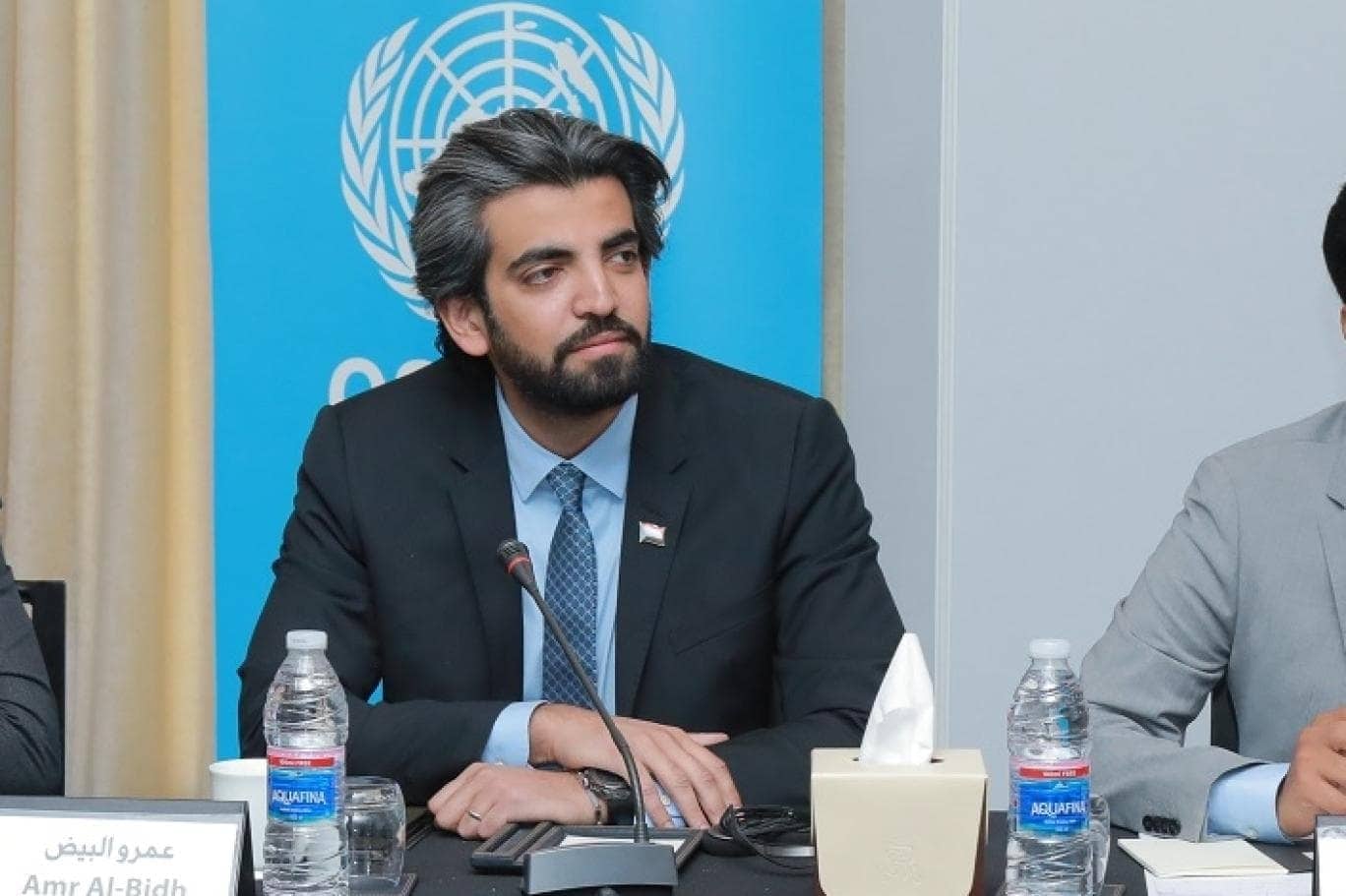
The current situation in Yemen is highly fragile, Amr Al Beidh, President Aidrous Al-Zubaidi’s special representative on foreign affairs, warned during a charm offensive to the West in which he sought to explain the position of the Southern Transitional Council (STC) to Western politicians and decision makers.
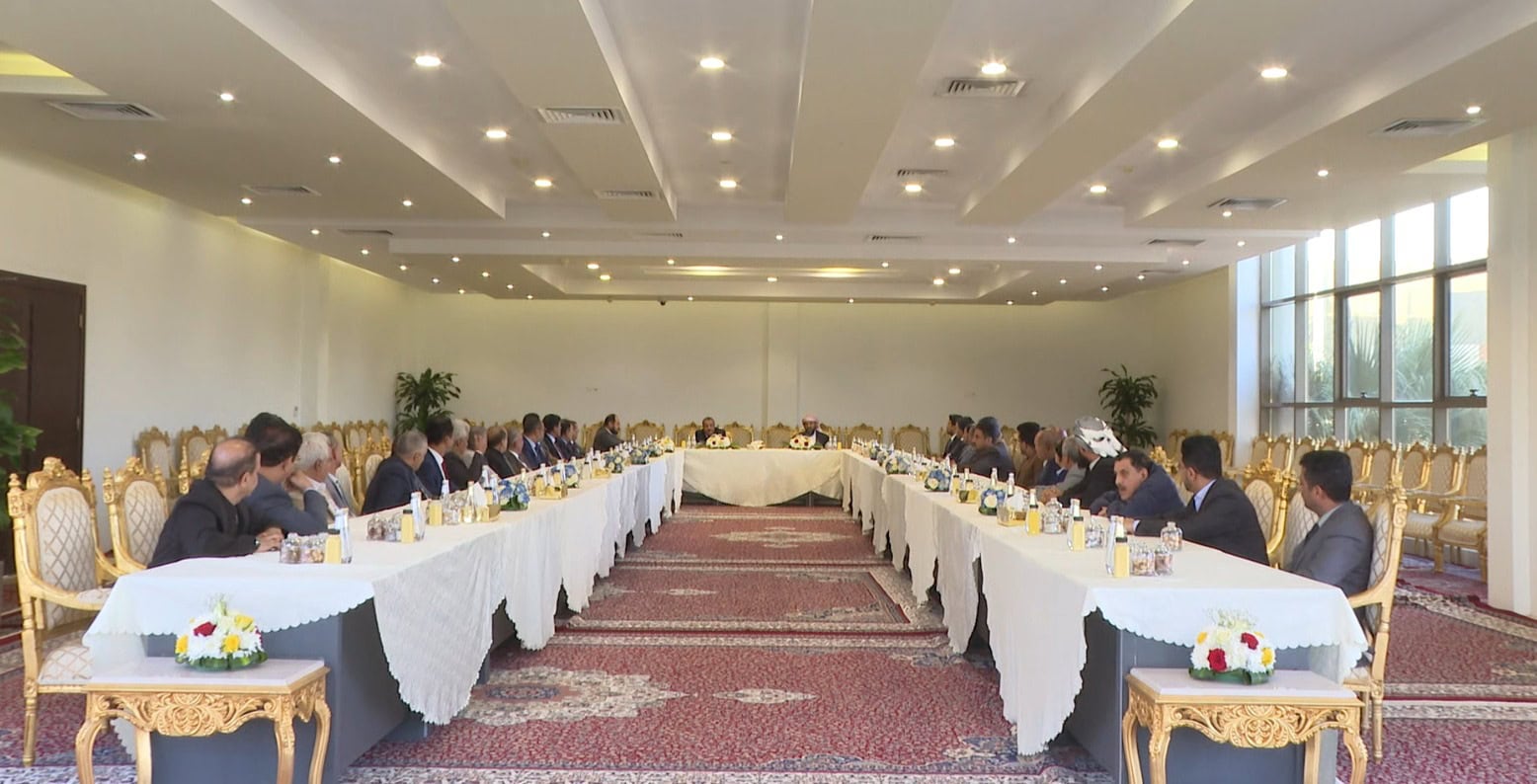
During a discussion meeting in London which was also attended by prominent STC members, Shaikh Harhara and Mohammed Alsahmi and Dr Abdul Galil Shaif and journalist Neil Patrick who focuses on Yemeni affairs, Al Beidh emphasized that there is no fully functioning state in Yemen and the balance of power remains uncertain. Efforts to suppress the STC risk further destabilization, particularly given the ongoing threat posed by the Houthis and the absence of strong counterweight in the South.
Ultimately, STC maintains that any lasting solution must involve genuine representation of Southern aspirations. It continues to push for recognition within the political processes while relying on its popular support to sustain its position. The organization argues that excluding it will not resolve the conflict, but rather deepen it.
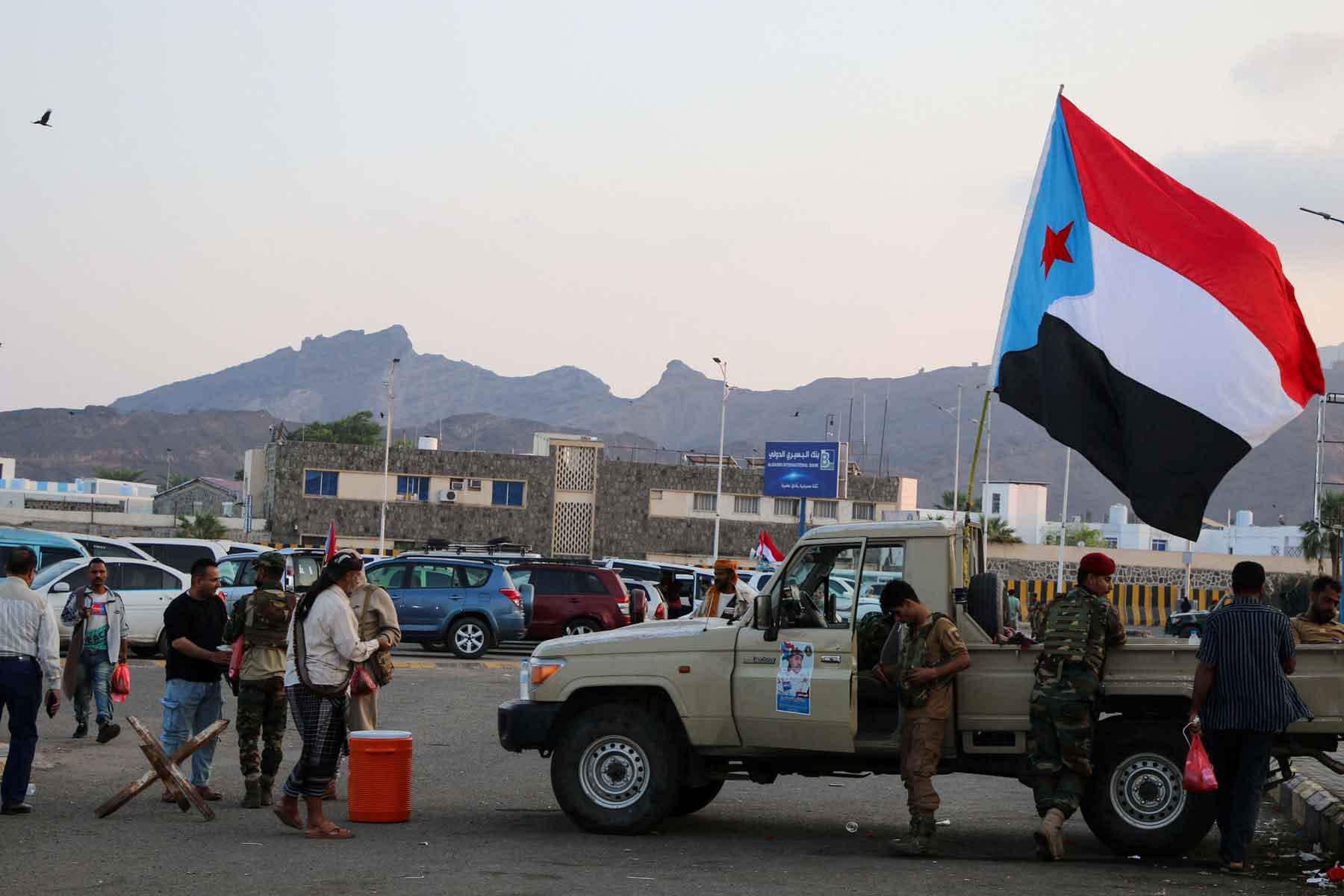
Al Beidh’s visit to London, Geneva and the USA followed the bombing of STC forces by the Saudi air force after the STC took control of all South Yemeni territory as part of ‘Operation Promising Future’ at the beginning of December last year. The STC was welcomed by the Southern people who raised Southern flags and photos of Aidrous Al-Zubaidi.
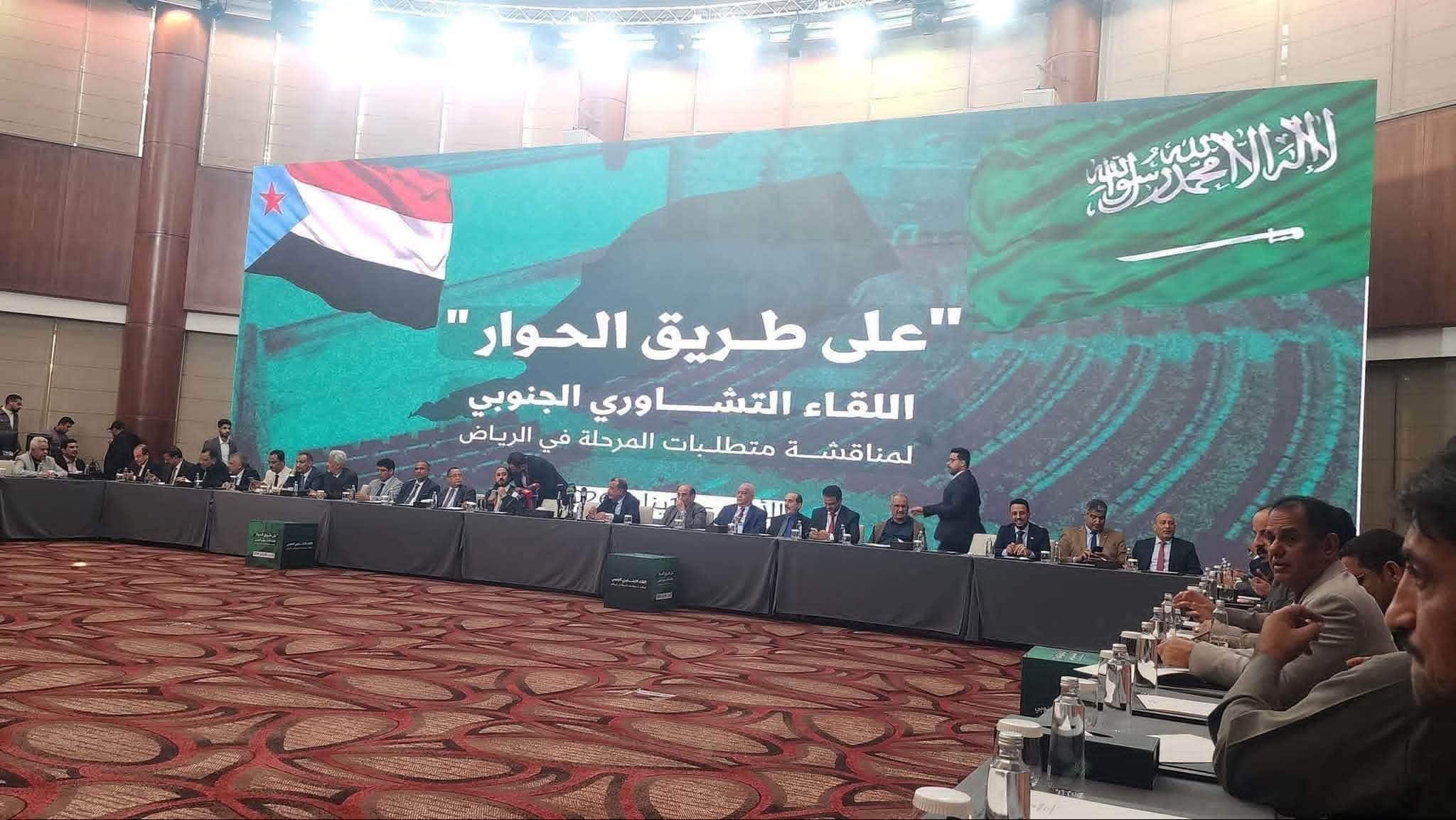
After the bombing, in January 2026 the Saudis installed a puppet Saudi-backed administration in South Yemen which falsely claimed the STC has been dissolved after some of its members were forced to issue statements in favor of the Saudi takeover under duress while attending a meeting in Riyadh.
In an introduction to the STC, Al Beidh said that it was established as a continuation of the Southern liberation movement that began in the early 2000s. It formally joined the Yemeni government in 2019, emerging from a combination of Southern resistance forces and the broader Southern movement. Over time, the STC became a key political and military actor in southern Yemen.
Up until 2026, the STC played a major role in stabilizing much of the South. Its forces were heavily involved in fighting extremist groups and maintaining security, with the primary objective of preventing hostile forces—particularly from the North—from entering southern territories. In some cases, STC-aligned forces even conducted operations beyond their area to pre-empt threats.
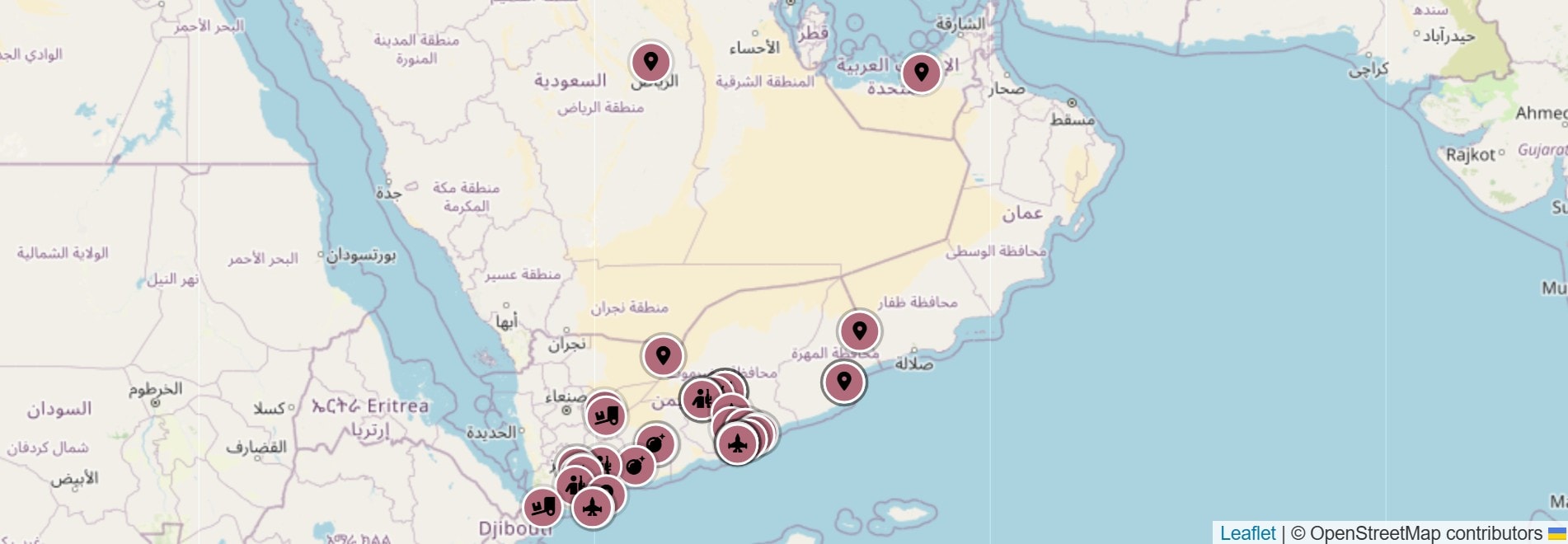
Alongside its military role, the STC also participated in governance. It joined the government, provided services, and sought to represent the Southern cause within peace negotiations. However, tensions escalated, particularly following events in late December and early January, including developments in eastern regions such as Hadramout and Al-Mahra.
The Saudi-led intervention in early January marked a turning point. Questions were raised about its legality and motivations, but more broadly it reflected a shifting global dynamic in which states increasingly act based on perceived national interests rather than established norms. From the STC perspective, the intervention—framed by Saudi Arabia as a matter of national security—resulted in direct military action against Southern forces.
This had significant regional implications. The STC had long been seen as a key counterbalance to the Houthis and other Islamist groups. Undermining STC, therefore, risked strengthening these actors by default. This appeared contradictory to broader regional efforts aimed at limiting Iranian influence and weakening Islamist organizations such as the Muslim Brotherhood.
In response, the STC sent a delegation to Saudi Arabia for dialogue. However, the delegation was effectively detained and later saw announcements on television suggesting the dissolution of the STC, something the organization firmly rejects. Despite these developments, the STC remains operational, with active offices and strong grassroots support across southern regions.
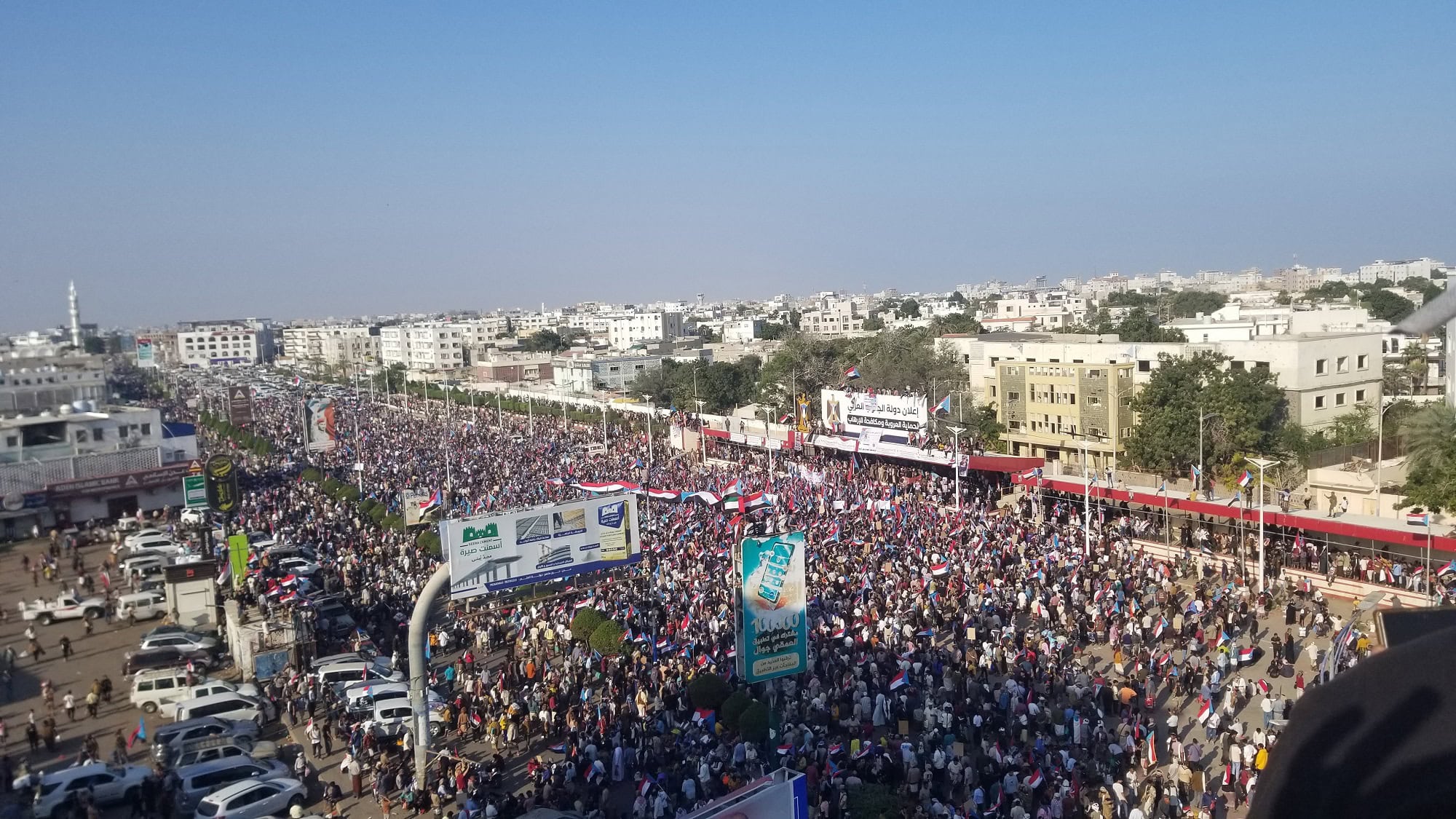
In fact, public support for the STC has increased significantly, particularly following recent events. Large demonstrations over the past months have highlighted growing popular backing, even among those who were previously critical. This shift reflects a broader perception that recent actions were not only against the STC as an organization, but against the Southern cause itself.
As a result, the STC has withdrawn from the government, arguing that it is no longer representative of the Southern population. It now considers the current administration a de facto authority lacking legitimacy. From the STC’s perspective, attempts to exclude or dismantle it are driven in part by Saudi concerns that it represents an independence movement and locally rooted forces, often associated—fairly or not—with UAE influence.
Saudi Arabia’s current approach appears focused on consolidating control over the Yemen file and pursuing its own settlement with the Houthis. This included sidelining both the UAE and the STC. However, regional developments—including broader tensions involving Iran—have made the situation more complex and fragile.
On the ground, STC continues to operate as a political movement. While it emphasizes peaceful resistance and political engagement, it warns that continued repression—such as closing offices, arresting activists, or using force—could escalate tensions and potentially lead to wider instability. Amr Al Beidh is the son of Ali Salem Beidh who served as the General Secretary of the Yemeni Socialist Party (YSP) in South Yemen and as Vice President of Yemen following the unification in 1990.
The meeting was chaired by Karen Dabrowska, former Director of Communications of Friends of South Yemen, who drew attention to the fact that when the STC offices were closed by Saudi-backed government the people reopened them by force.
“Yemen cannot become a pawn of Saudi Arabia to establish its hegemony over the Gulf. When the British withdrew, they sought to leave behind a Federation of South Arabia, an umbrella for a collection of emirates, not unlike how seven separate emirates and sheikhdoms united under the umbrella of the United Arab Emirates. With the Hadramout still demanding autonomy and Aden rejecting Saudi rule, a state of South Arabia remains the only model that can put Humpty-Dumpty – the failed Yemeni state which has fallen off the wall - back together again. The only question is how many Yemenis and Saudis die before Mohammed bin Salman recognizes that,” Ms Dabrowska said in an introduction to the meeting.