مركز سوث24 للأخبار والدراسات
مركز سوث24 للأخبار والدراسات


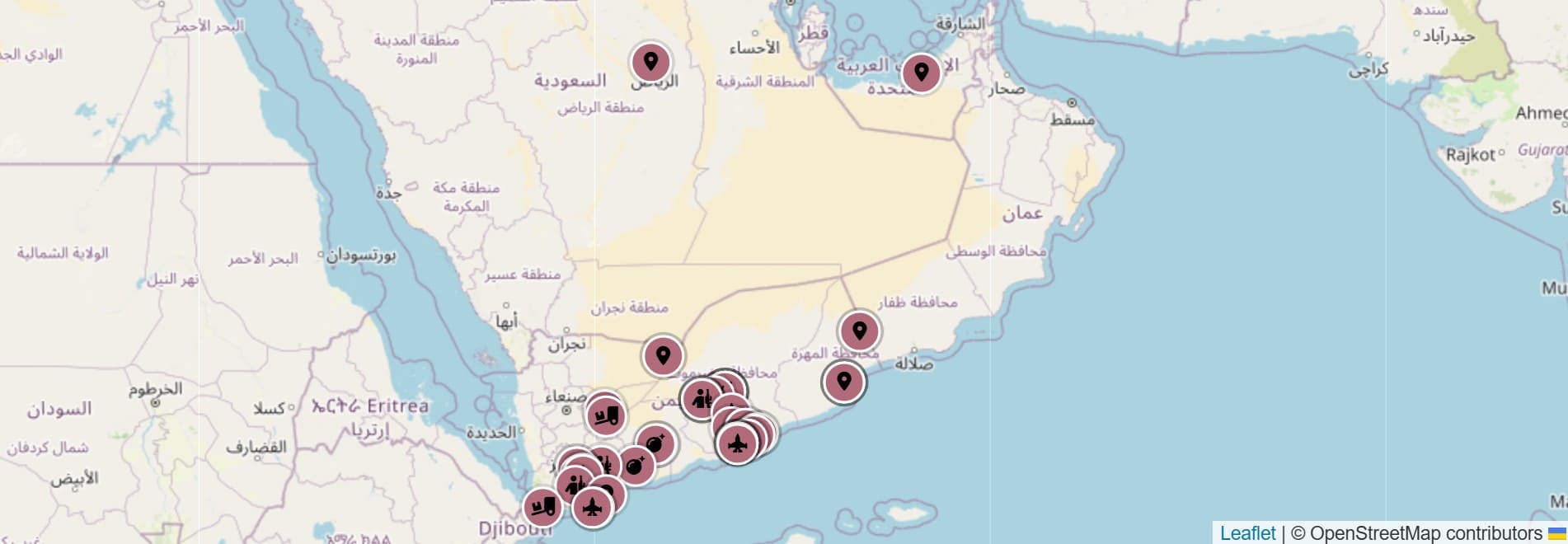
Interactive Map – By South24 Center © OpenStreetMap
11-01-2026 الساعة 7 مساءً بتوقيت عدن
Aden (South24 Center)
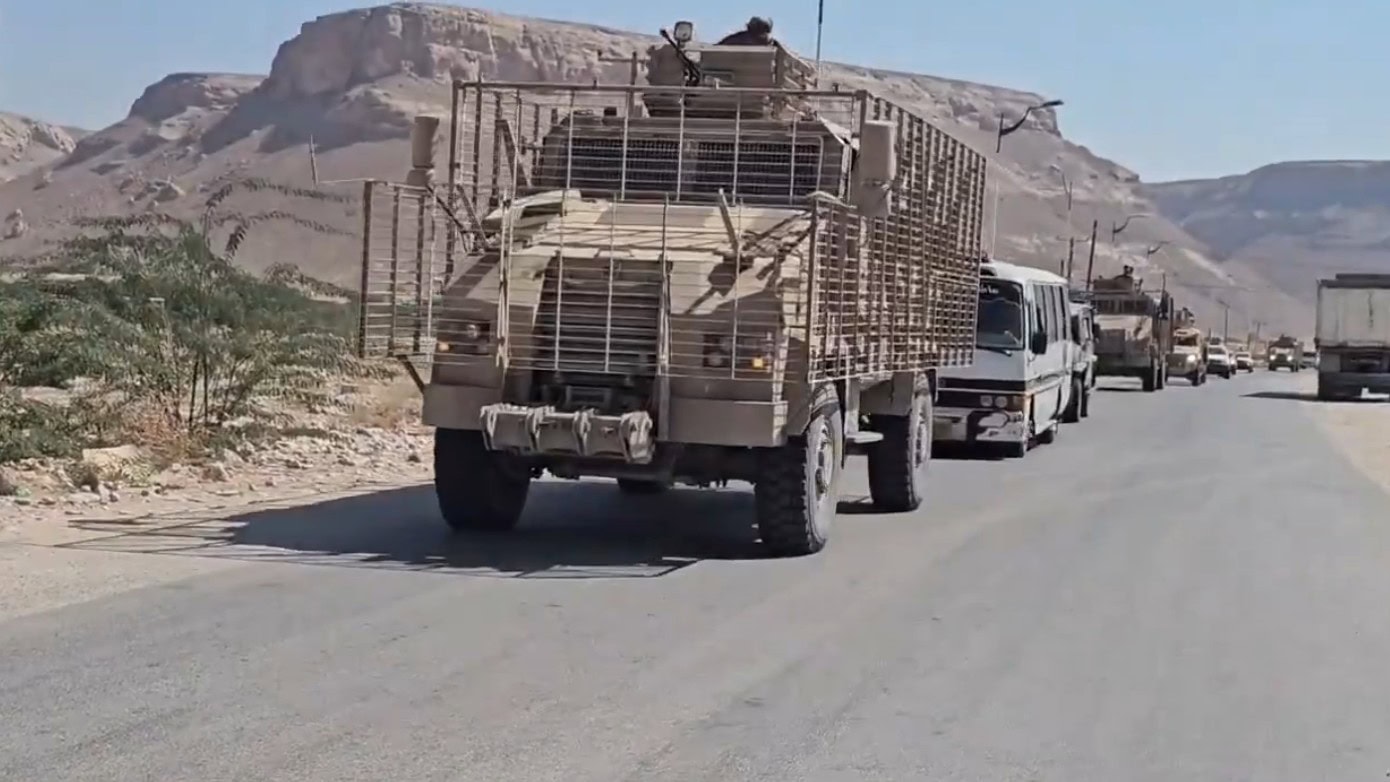
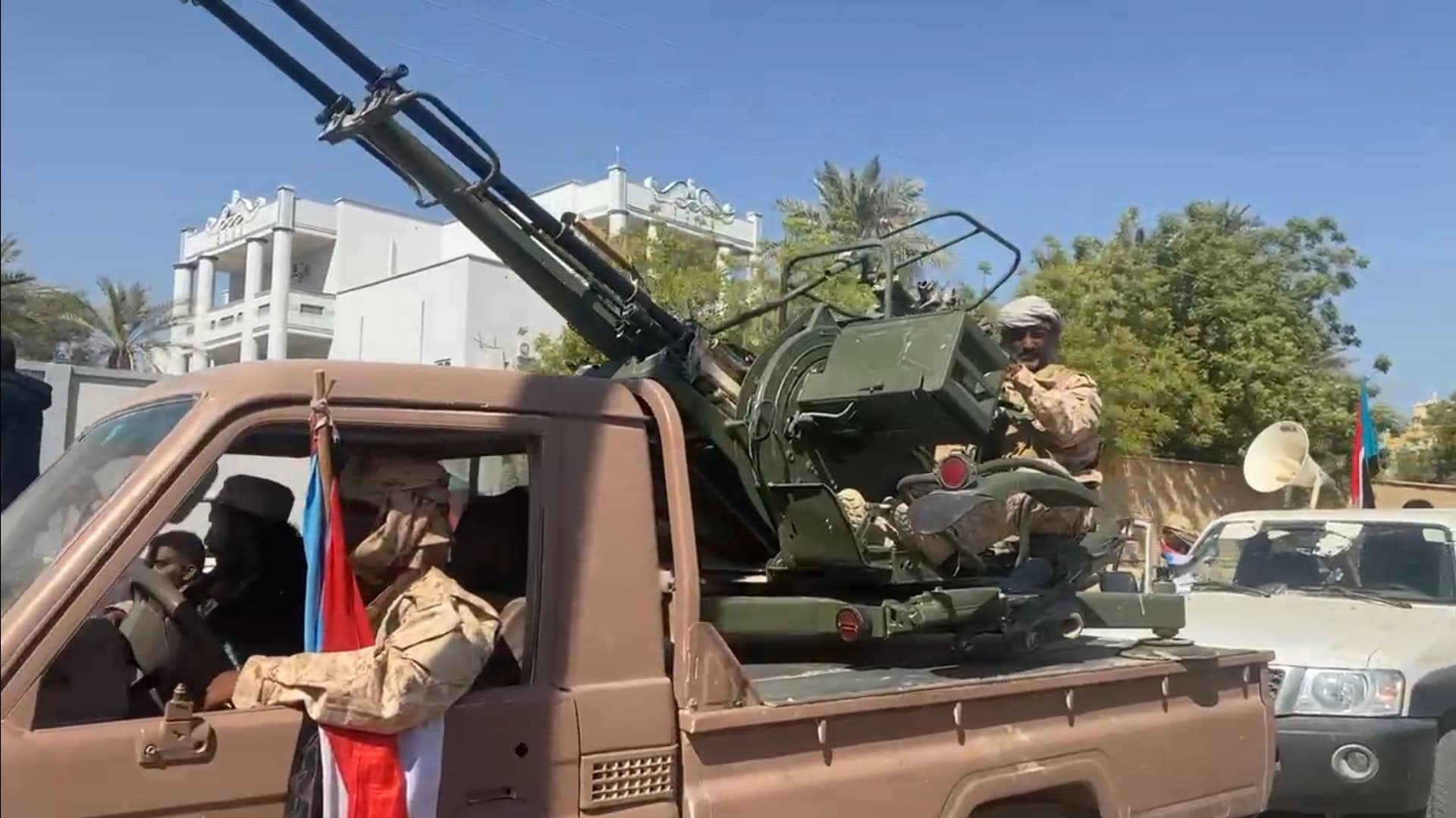
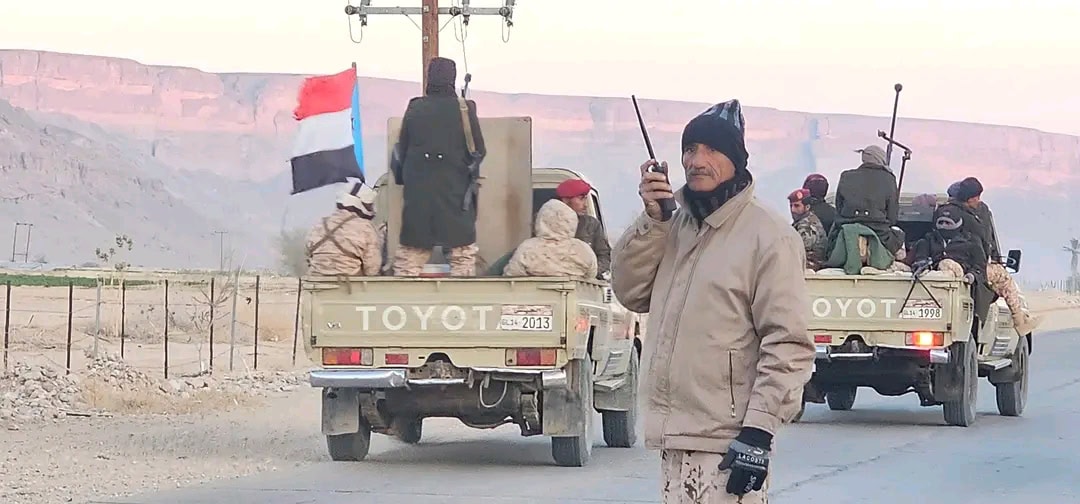
The final week of December 2025 and the first week of January 2026 witnessed unprecedented military and security escalation in South Yemen, marked by Saudi Arabia’s involvement in intensive airstrikes carried out by fighter jets targeting Southern forces in Hadramout and Al-Mahrah. The escalation coincided with the entry of Yemeni forces and allied local Salafi formations into the two governorates, following a directive by the Southern Transitional Council (STC) for its forces to withdraw from those areas.
According to military sources cited by South24 Center, the number of Saudi airstrikes exceeded 350. The strikes, along with ground clashes, resulted in the deaths of around 80 members of the Southern forces and injuries to approximately 152 others. Separately, four civilians were killed and around 20 others wounded in Saudi airstrikes on Al-Dhalea governorate.
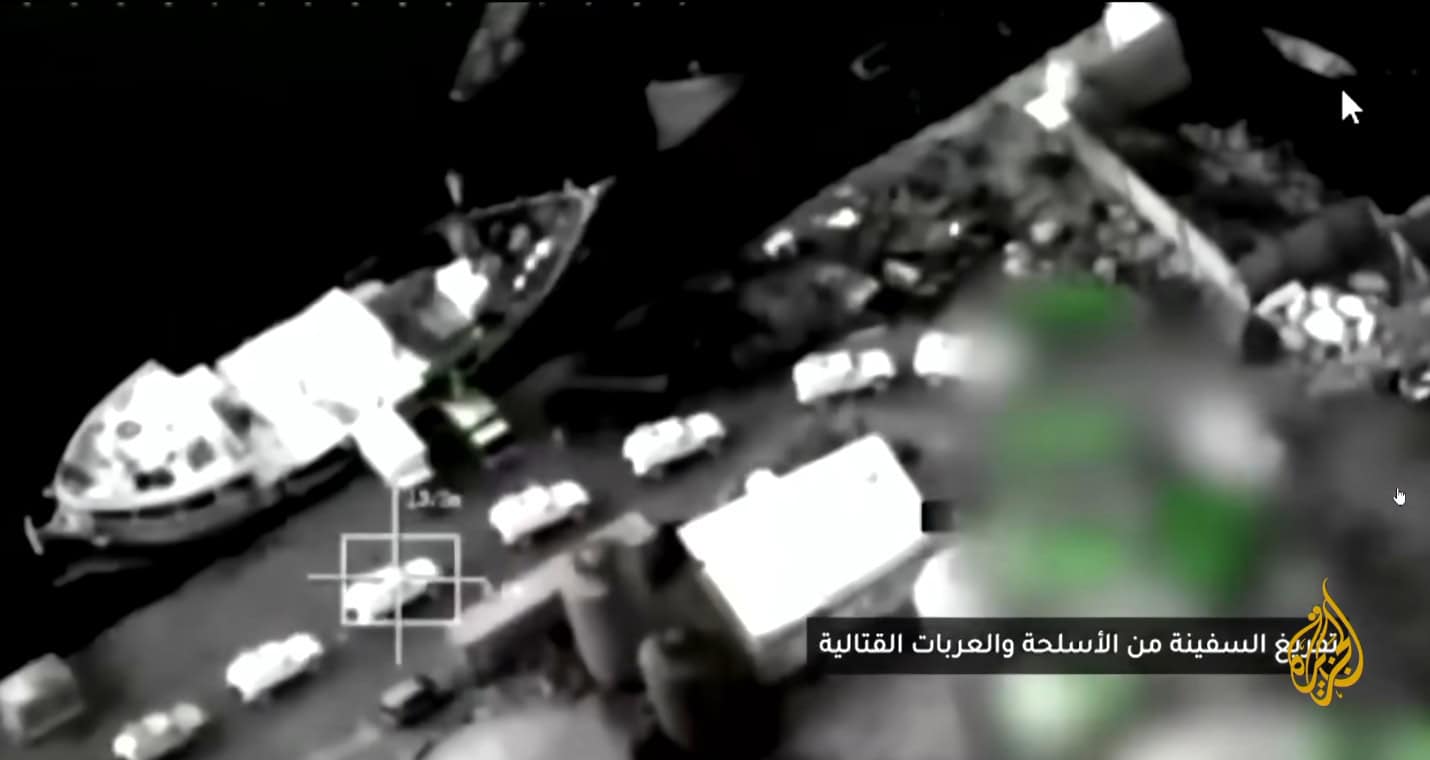
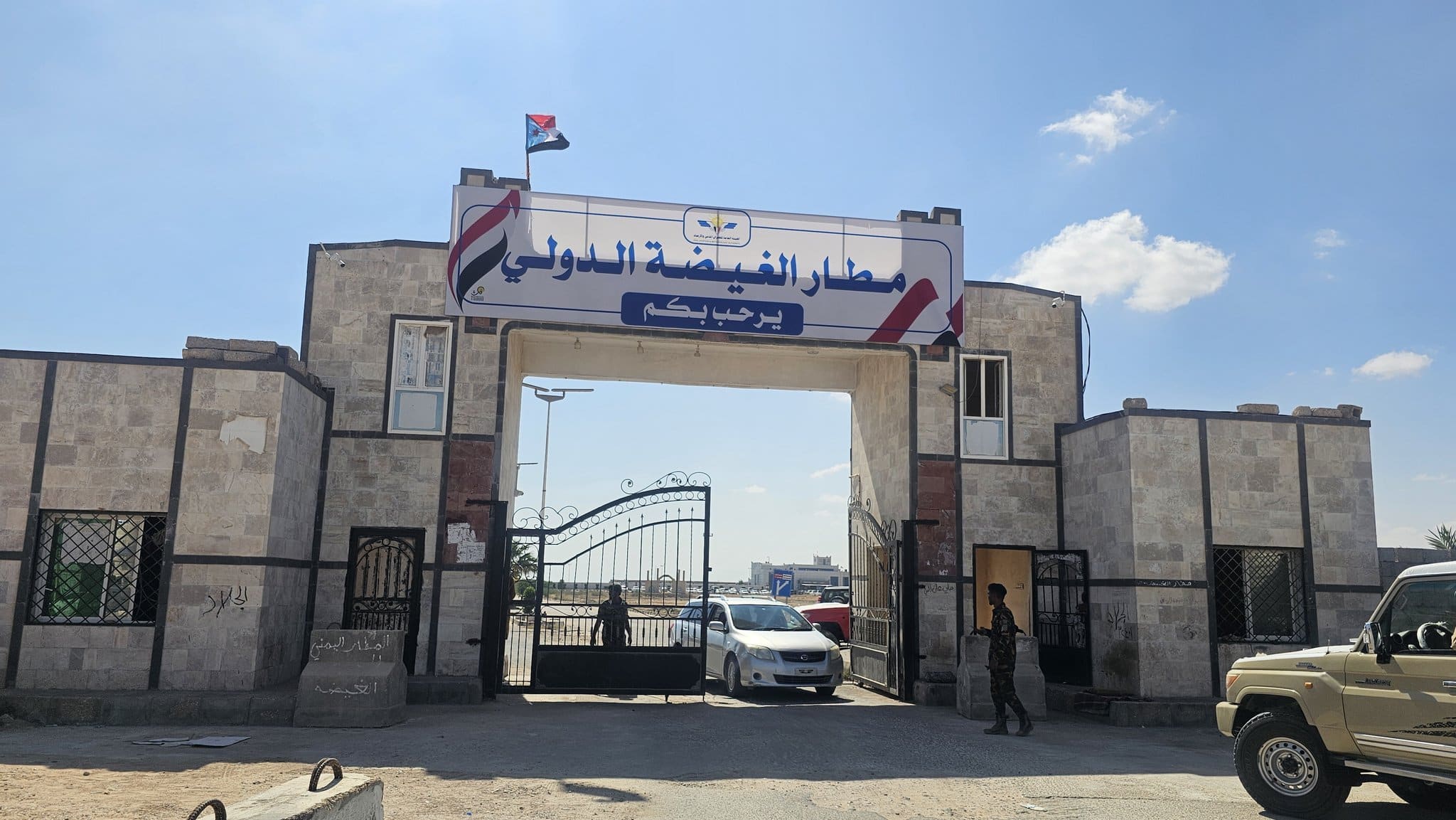
The strikes targeted military headquarters and armed convoys of the Southern forces in Hadramout and Al-Mahrah, as well as civilian facilities, including Mukalla Port and Seiyun International Airport.
Saudi aircraft also struck a military camp, armed convoys, and a residential area in the city of Zabid in Al-Dhalea governorate, following the refusal of STC President Major General Aidrous Al-Zubaidi to travel to Riyadh as part of the delegation that arrived on January 7.
While Al-Zubaidi’s whereabouts remain unknown, Saudi Defense Ministry spokesman Turki Al-Maliki claimed that he had "fled" to the UAE capital, Abu Dhabi.
The military operations in Hadramout and Al-Mahrah—carried out under Yemeni political cover led by Presidential Leadership Council Chairman Rashad Al-Alimi and Hadramout Governor Salem Al-Khanbashi—triggered widespread chaos and a serious security breakdown, including unprecedented looting of military camps and brigades, Riyan Airport, civilian facilities, and private property in Mukalla and Seiyun.
The looting was carried out mainly by tribal gunmen who arrived from Al-Jawf and Marib governorates, in addition to participation by local residents.
Although the exact scale of the stolen weapons has not yet been determined, military experts told South24 that the looted arsenal included advanced military vehicles and medium, light, and heavy weapons, including thermal Kornet missiles, artillery pieces, hand grenades, pistols, and four-wheel-drive vehicles.
Sources told South24 that some of these weapons have reached areas in Marib where Al-Qaeda is concentrated, adding that the group is in contact with tribal actors to purchase weapons.
At the same time, an STC spokesman said that AQAP members had returned to position themselves in Wadi Al-Musayni in Hadramout following the withdrawal of the Southern forces and the Hadrami Elite Forces, which had liberated the area from the group several years ago.
The leader of the terrorist organization, Saad Al-Din Al-Awlaki, celebrated the withdrawal of Emirati and Southern forces from Hadramout, describing it as the “breaking of the idol of misguidance.”
In contrast, the National Shield Forces and local authorities managed to recover a limited quantity of the looted weapons in Mukalla and Al-Mahrah.
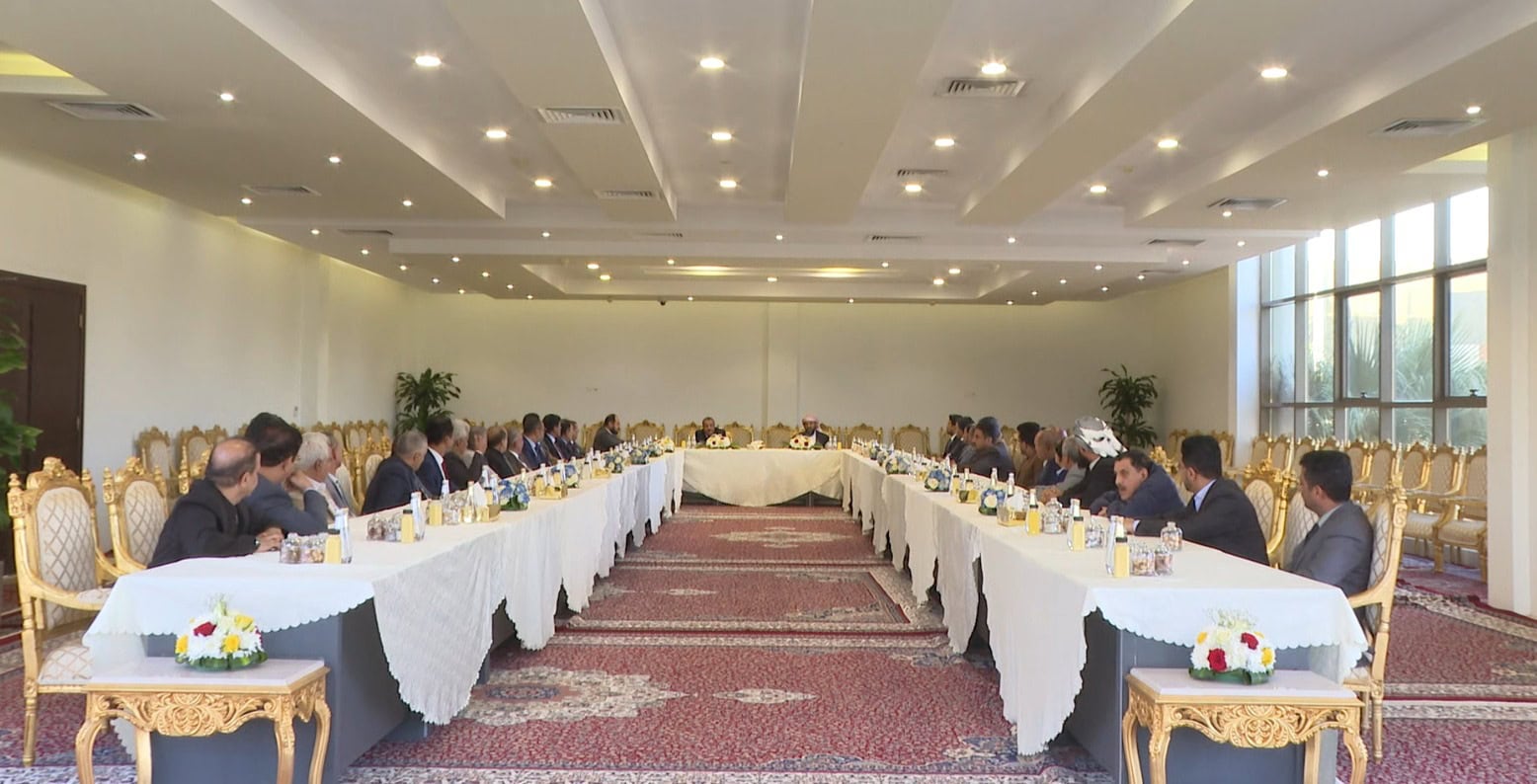
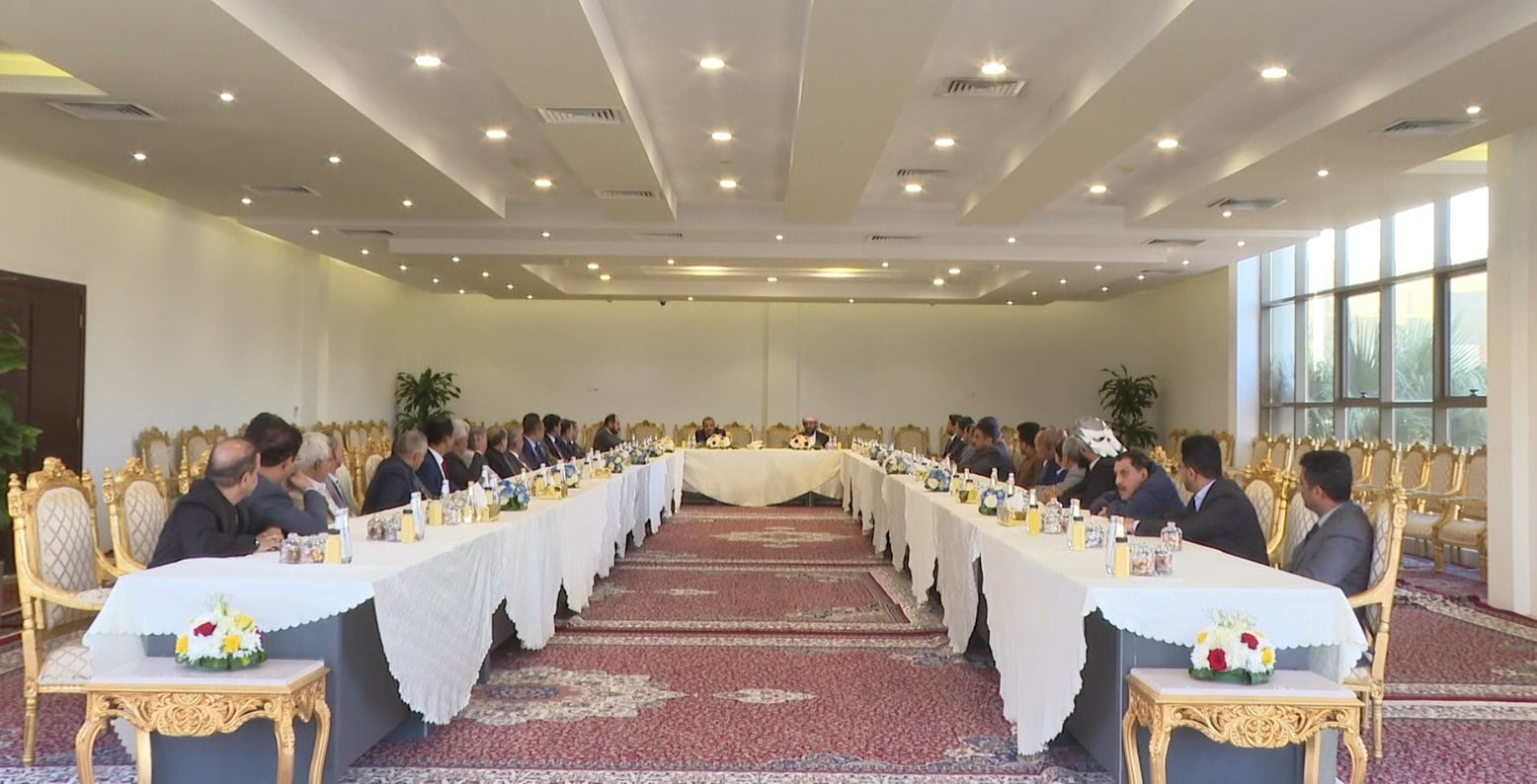
Abdul Bari Al-Shahrani, the representative of the Saudi forces that returned to Hadramout, announced during a meeting held on Saturday, January 10, with the governor of Hadramout in Mukalla that the Kingdom would provide all equipment and requirements for the governorate’s military facilities.
Meanwhile, units of the Southern Giants Brigades and the Southern National Shield Forces were deployed in the capital, Aden.
Browse all security and military developments from December 27, 2025 to January 8, 2026 on the interactive map.