مركز سوث24 للأخبار والدراسات
مركز سوث24 للأخبار والدراسات


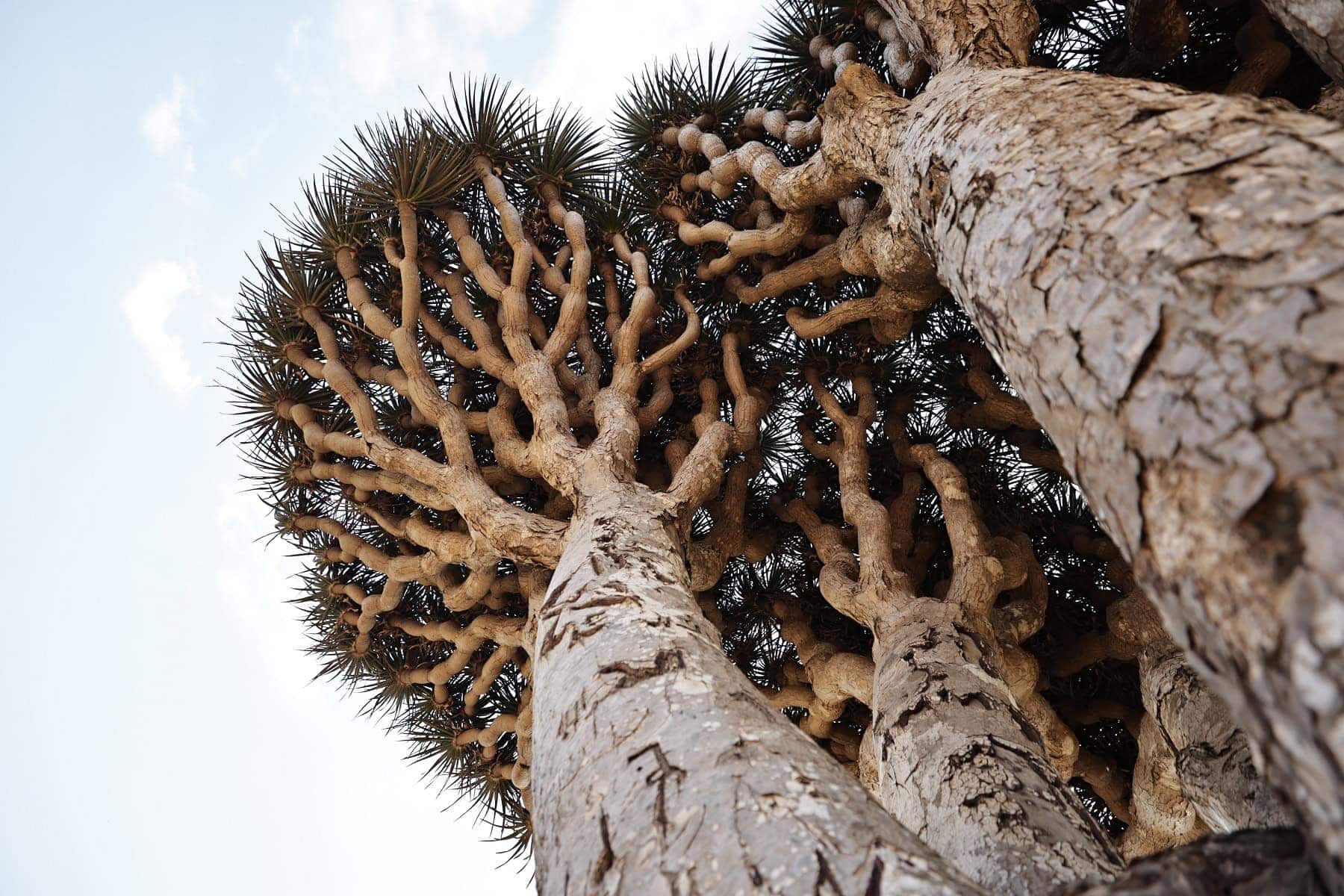
Diksam Reserve, central Socotra Island, November 7, 2025 (South24 Center)
آخر تحديث في: 17-12-2025 الساعة 6 مساءً بتوقيت عدن
“The challenges are not limited to natural factors, but intersect with human activity. In recent years, the Socotra Archipelago has witnessed increasing human pressures”
Riyadh Mubarak, Saad Al‑Ajmi (South24 Center)
The Socotra Archipelago in South Yemen represents one of the world’s most prominent models of biodiversity, bringing together rare ecological systems that exist nowhere else on the planet. Located in the Indian Ocean east of the Gulf of Aden, the archipelago is distinguished by its isolated geographic position, which over thousands of years contributed to the emergence of endemic plant and animal species which are unique to the island, leading to its inscription in 2008 on UNESCO’s World Natural Heritage List.
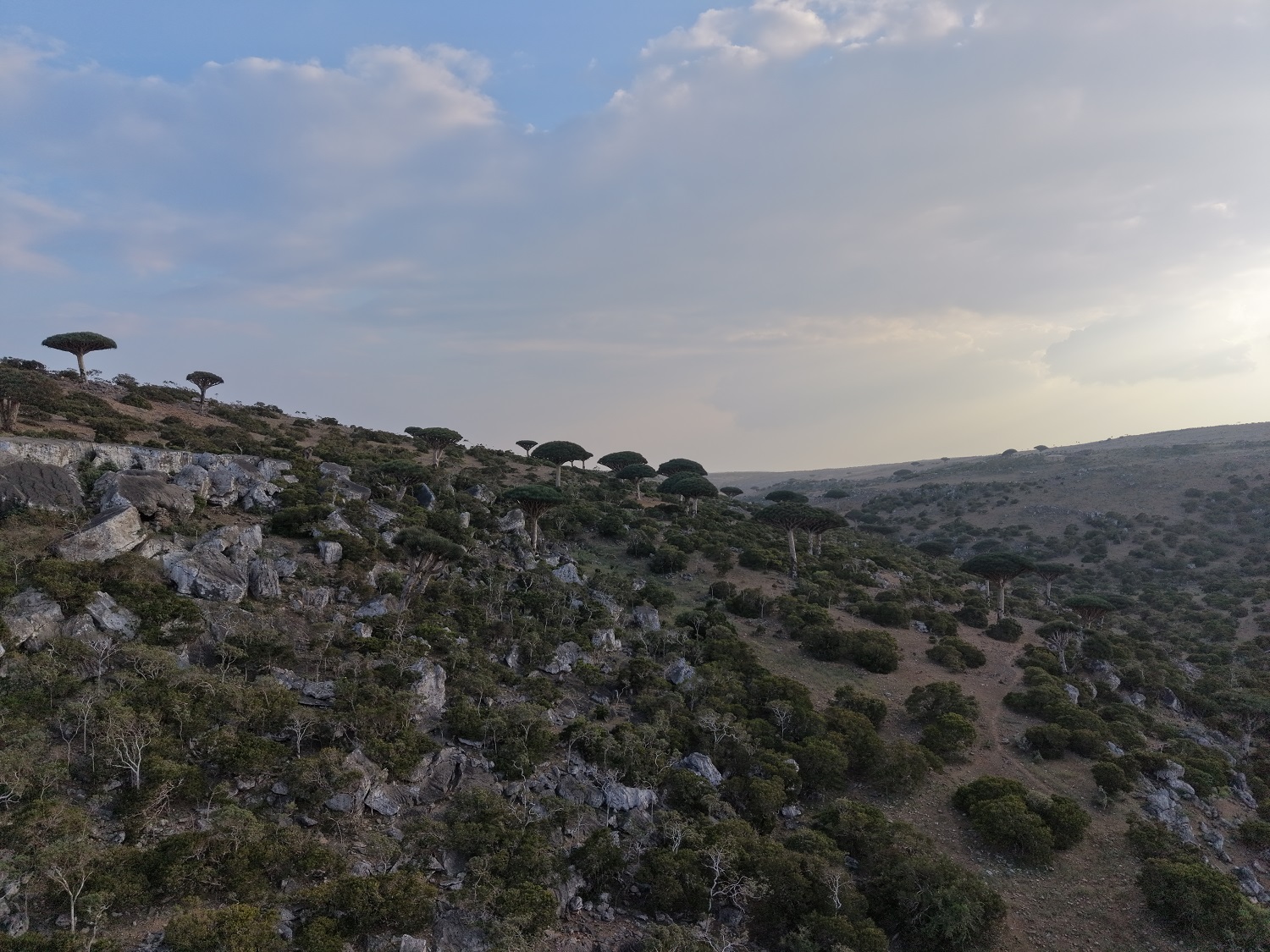
Diksam Reserve, central Socotra Island, November 7, 2025 (South24 Center)
Studies show that around 37% of the plant species recorded in Socotra are found nowhere else, in addition to 90% of the reptile species and nearly 95% of land snails. This exceptional richness, alongside unique geological formations of caves and caverns and diverse coastal habitats, has made Socotra a global model of biodiversity in the Gulf of Aden region and earned it the title “the Galapagos of the Indian Ocean.”
On the social level, the Socotri community has long maintained a balanced relationship with nature through precise traditional practices in grazing, fishing, and resource management, allowing the ecosystem to persist without significant pressure. However, the past decade has witnessed rapid changes in climate and human activity, which have begun to affect the vegetation cover, terrestrial and marine habitats, and the natural resources on which residents depend.
This report seeks to present coverage of these growing challenges by outlining environmental data, official and community testimonies, and highlighting the transformations the island is experiencing in light of climate change and modern human pressures.
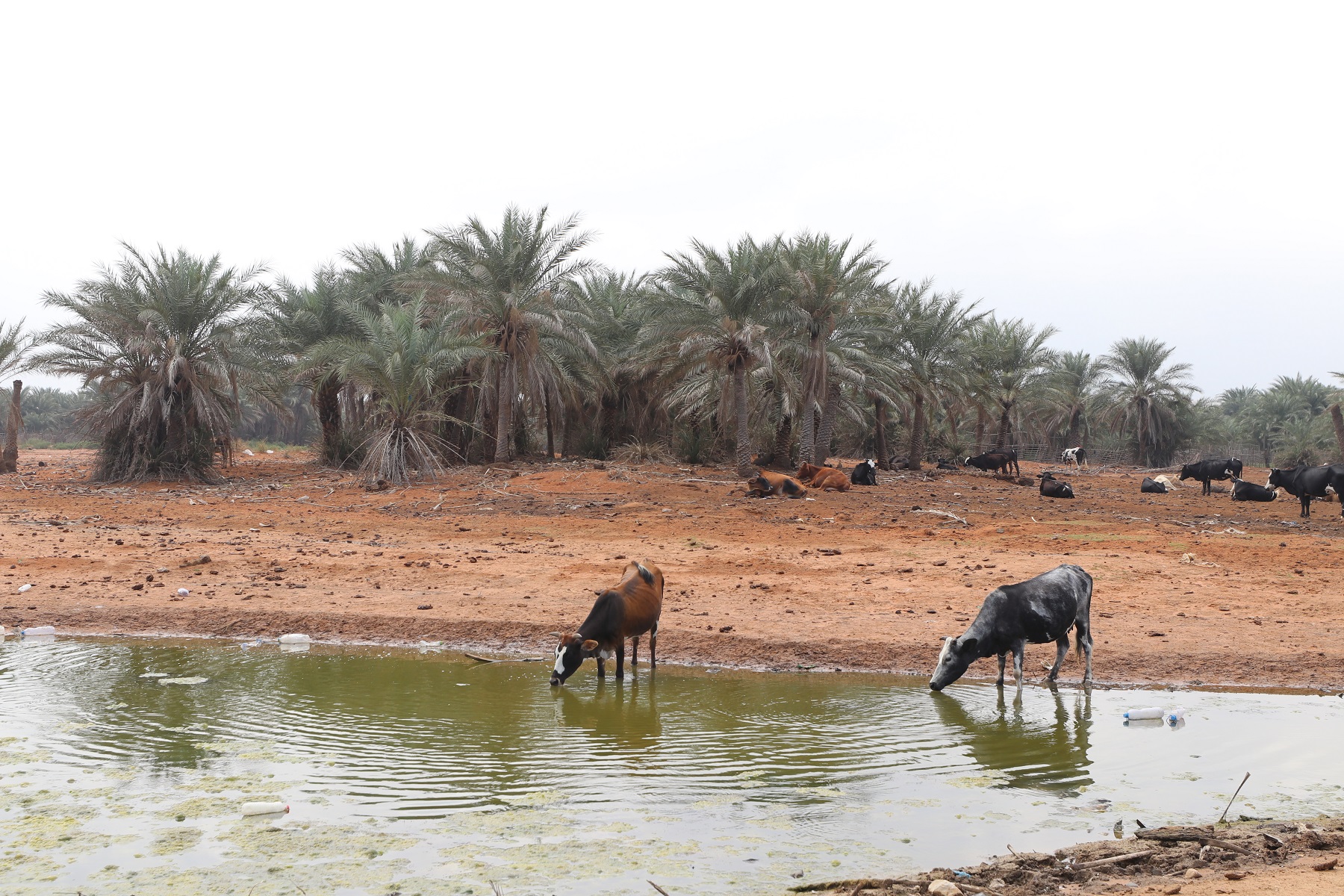
Wetlands in the Sirhin area of Socotra, November 3, 2025 (South24 Center)
Environmental and Geographical Background
The Socotra Archipelago is characterized by a natural environment with unique features that make it one of the world’s most important biodiversity sites. The archipelago lies in the Indian Ocean east of the Gulf of Aden and consists of four main islands and several smaller ones, all sharing a diverse ecosystem shaped by varying geographical and climatic factors. This diversity is one of the key reasons for Socotra’s classification on UNESCO’s World Natural Heritage List.
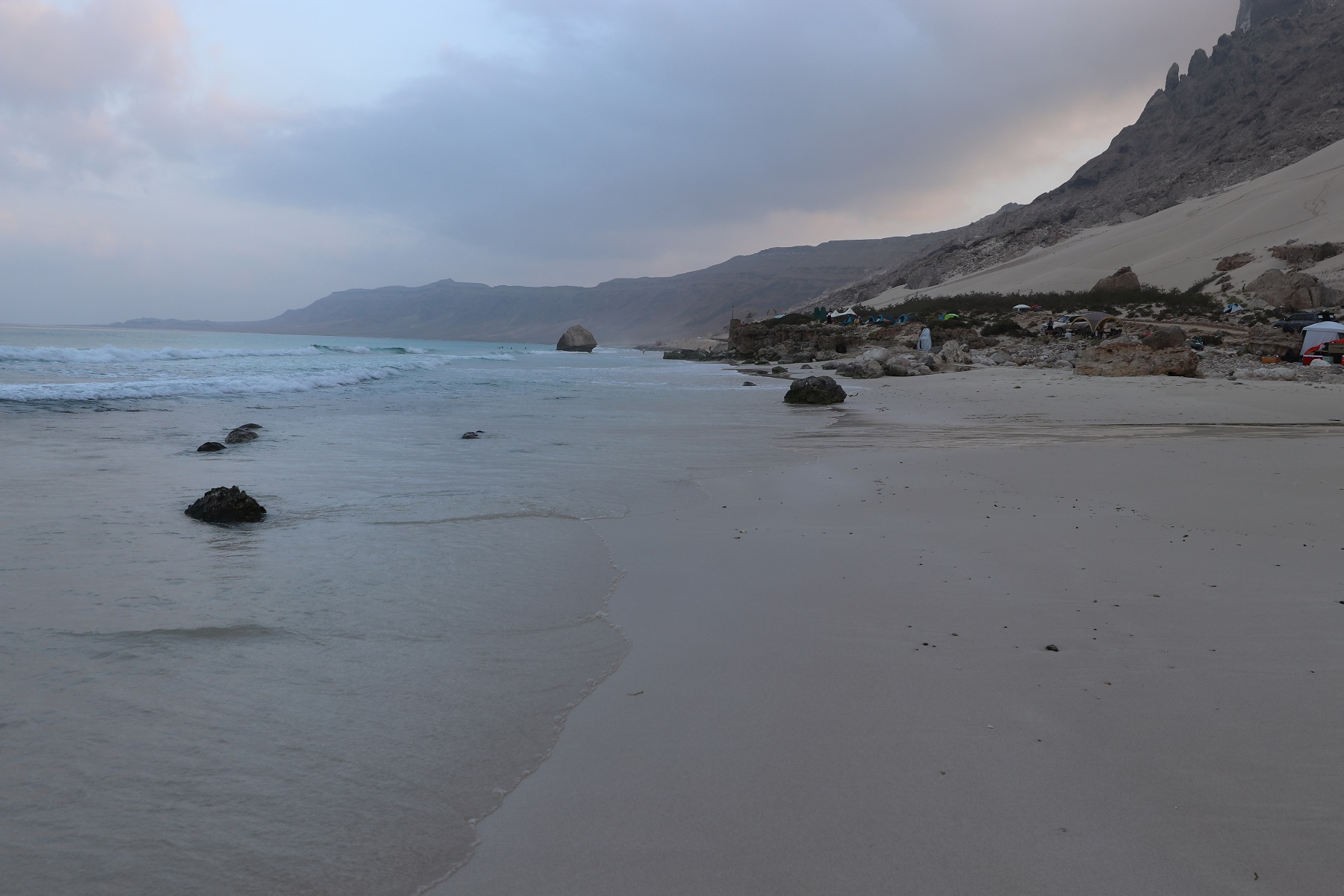
Arher area, northern Socotra, November 3, 2025 (South24 Center)
Scientific data indicates that Socotra is home to more than 825 plant species, nearly 300 of which are endemic and found nowhere else. The Dragon’s Blood Tree and frankincense trees stand out as environmental symbols of this uniqueness, alongside wide formations of shrubs and medicinal plants.
This biological distinctiveness extends to other organisms as well, as the island hosts 90% of endemic reptile species and 95% of land snails, in addition to diverse marine habitats that include fish, coral reefs, and sea turtles, reflecting the richness of the marine ecosystem surrounding Socotra.
However, this unique environment has recently faced successive challenges, some natural and others directly linked to human activity.
Natural and Human Challenges
In recent years, Socotra has faced a series of natural challenges that have affected its biodiversity and terrestrial and marine habitats, with the impacts becoming increasingly visible through recurring cyclones, rising temperatures, and growing drought episodes. Since 2015, the archipelago has been struck by a series of tropical cyclones, including Chapala and Megh, which caused extensive damage to endemic trees such as frankincense and the Dragon’s Blood Tree, in addition to reducing vegetation cover due to strong winds and water erosion.
UNESCO reports confirm that some Dragon’s Blood Tree forests were almost entirely uprooted in multiple locations, alongside soil degradation resulting from the heavy rainfall accompanying these cyclones. International climate studies also indicate that rising sea surface temperatures in the Indian Ocean were among the main factors increasing the strength of cyclones affecting the island, while coral reefs suffered damage due to wave disturbances and increased sedimentation, a phenomenon for which data remains incomplete due to local limitations in marine monitoring.
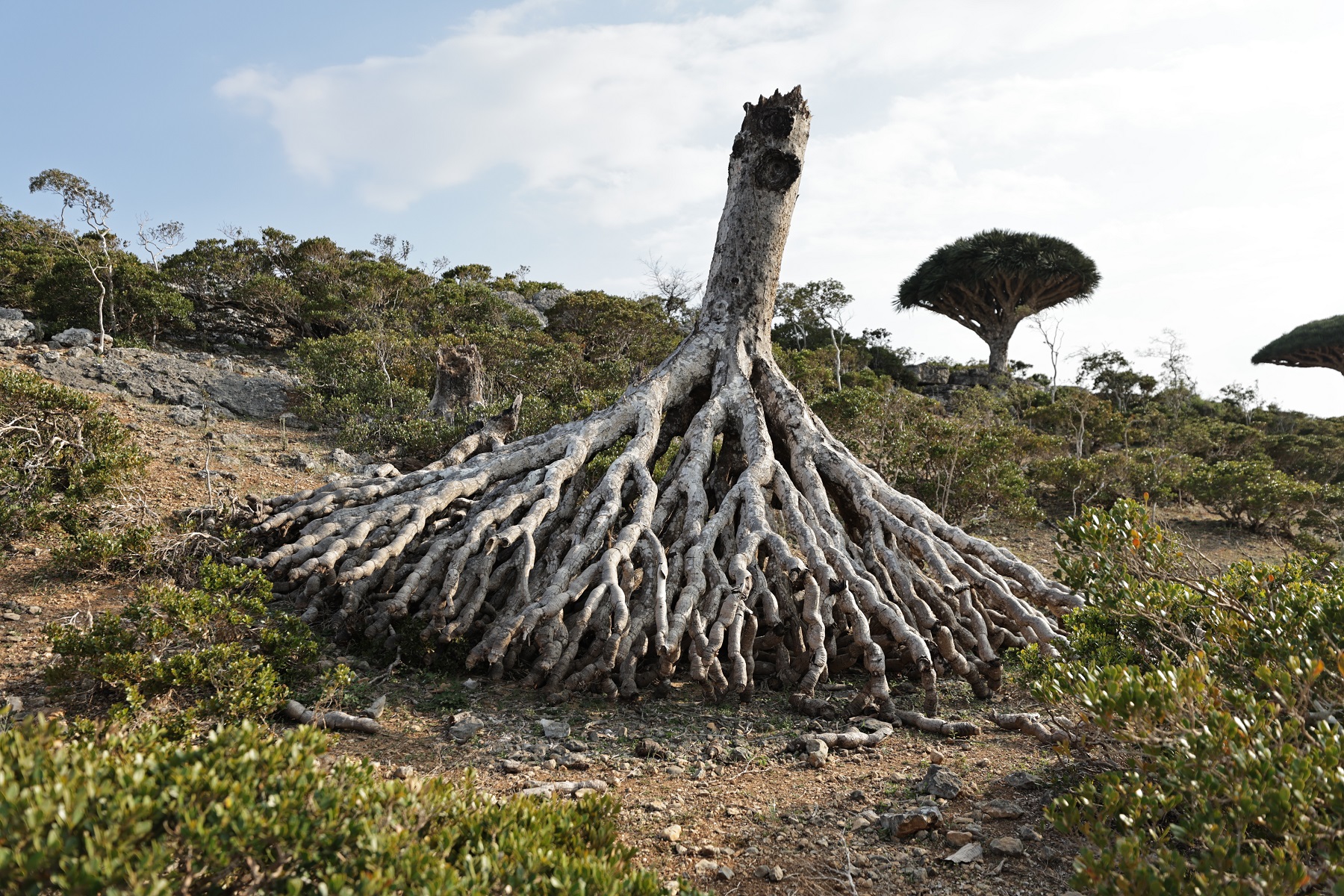
Trunk of a Dragon’s Blood Tree in Diksam Reserve, central Socotra Island, November 7 2025 (South24 Center)
The impact of droughts has emerged as another natural factor affecting Socotra’s environment, with multiple areas experiencing significant delays in rainfall seasons and decline in surface water levels. This has affected seasonal water bodies and wetlands that have gradually begun to lose their ecological characteristics, as seen in the “Sirhin” area, where recent images taken by South24 Center show clear environmental transformations resulting from drought.
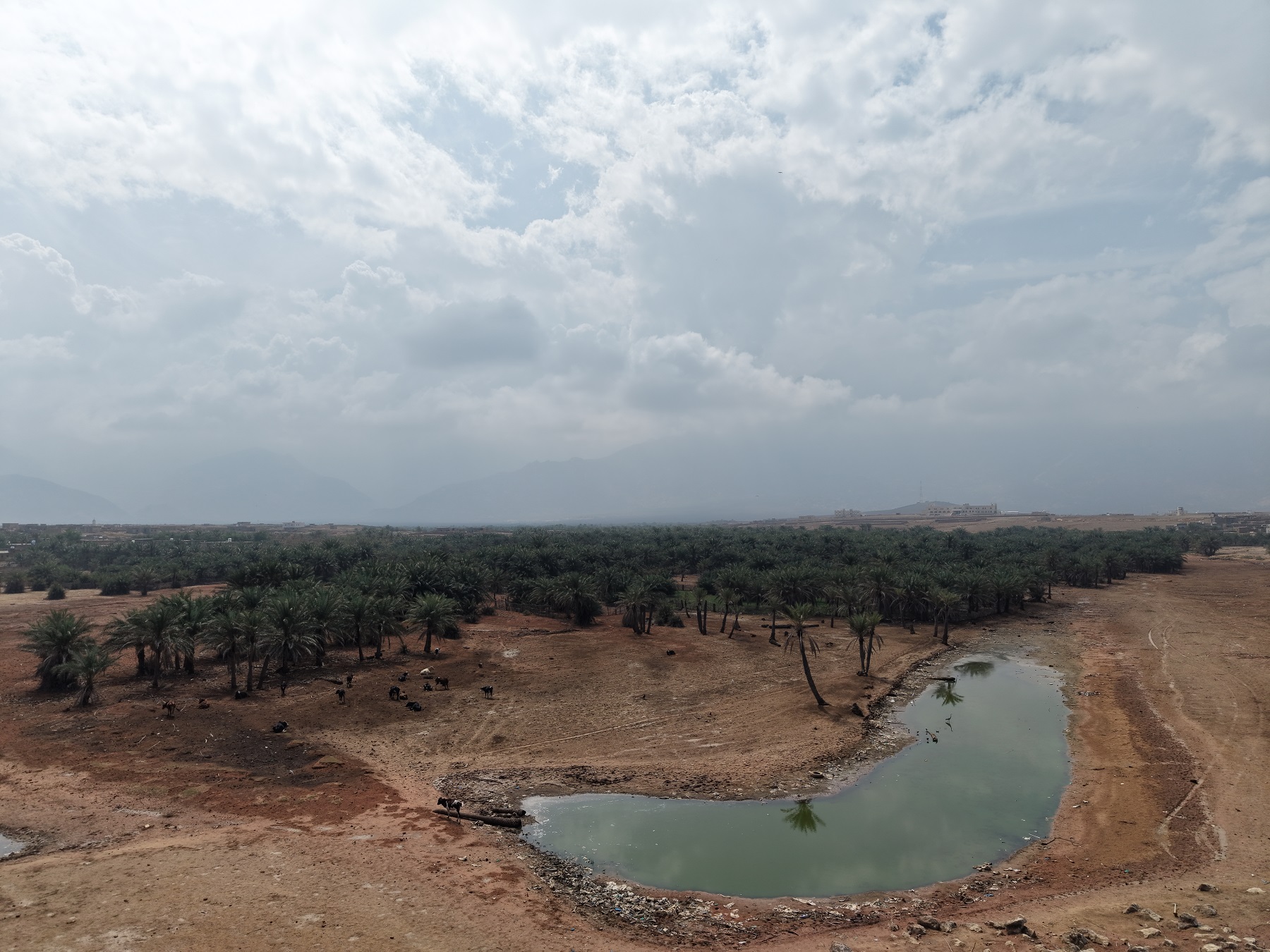
Drying of wetlands in the Sirhin area of Socotra due to climate change and declining rainfall, November 3, 2025 (South24 Center)
This decline contributes to increasing the fragility of endemic shrubs and plants and weakens their natural regeneration capacity, amplifying the risks facing species dependent on these habitats, especially as drought coincides with other human-induced pressures.
Environmental activist Nasser Abdulrahman, head of the Socotra Wildlife Association, noted that frankincense forests in the “Hamhel” Reserve have suffered extensive destruction. He told South24: “This reserve has lost nearly 37% of its area due to the Chapala and Megh cyclones in 2015, particularly in the absence of reforestation programs and the continuation of open grazing, which limits the ecosystem’s ability to regenerate naturally.”
He added: “Socotra’s coasts, especially in the Dihemri Reserve, have shown alarming signs of widespread coral reef erosion in recent years. To date, no field studies are available to determine the extent of the damage or propose practical interventions to rehabilitate this marine component, due to weak local capacities and the absence of necessary infrastructure.”
The environmental activist pointed out that one of the fundamental issues lies in the absence of government studies and specialized international environmental assessments since 2015, reflecting a clear lack of scientific monitoring despite the increasing indicators of degradation in recent years.
He added: “This means that estimating the current scale of damage and the rate of degradation remains dependent on limited initiatives, at a time when the archipelago needs continuous scientific monitoring to help develop more effective protection policies.”
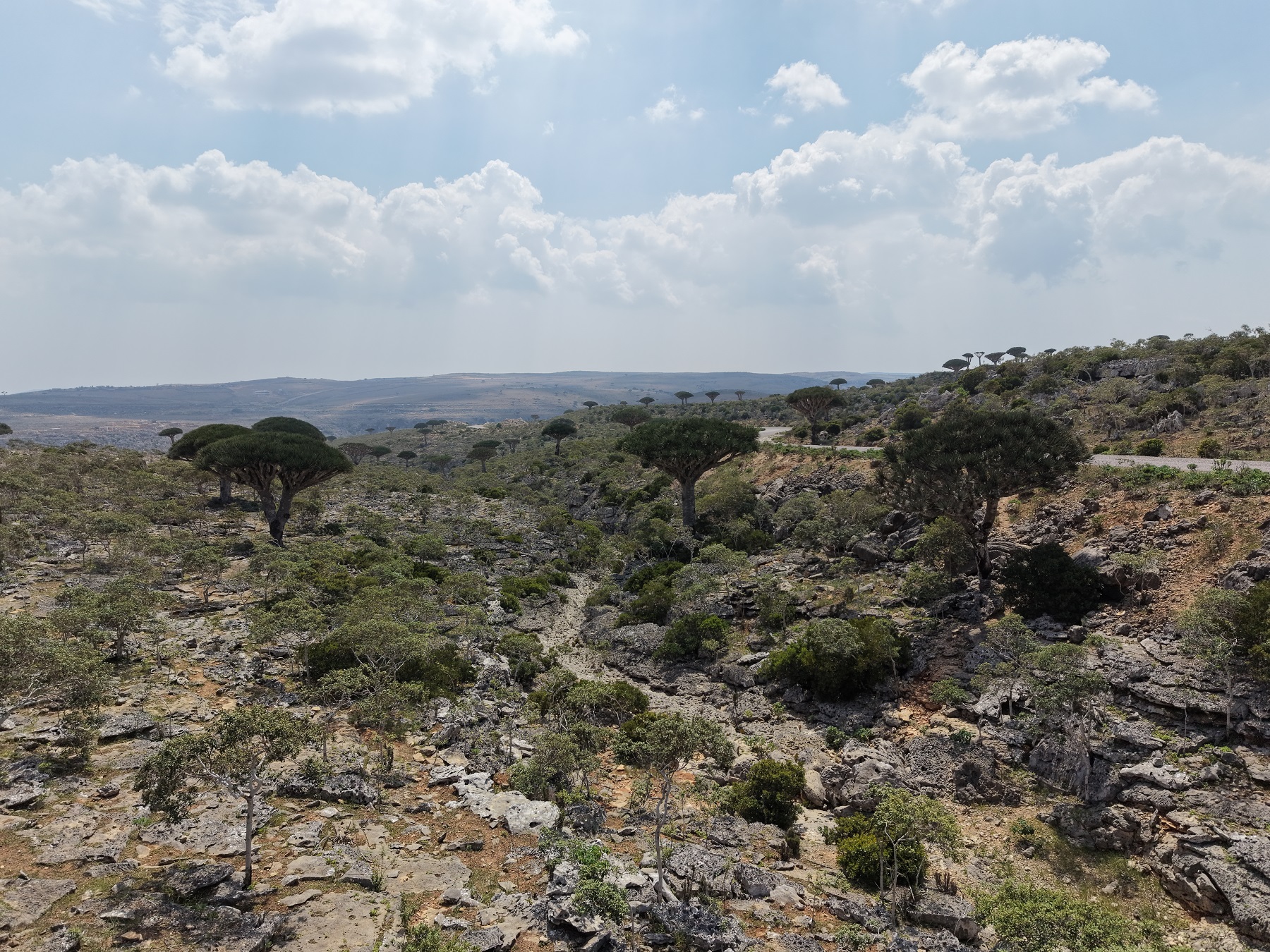
Diksam Reserve, central Socotra Island, November 7, 2025 (South24 Center)
However, challenges are not limited to natural factors; they intersect with human activity. In recent years, the Socotra Archipelago has witnessed increasing human pressures that have directly affected its environmental balance, as many traditional practices that once formed a natural framework for protecting local resources in grazing and fishing have declined.
Environmental customs that residents once adhered to strictly, such as regulating seasonal livestock movement and determining fishing seasons based on established calculations—have gradually disappeared. UNESCO’s 2022 report noted that “many practices have changed, and the local laws that Socotris once strictly followed are no longer observed today.”
This shift has affected natural pastures, which no longer regenerate at previous rates, and also disrupted the balance of marine resources amid declining adherence to traditional fishing seasons.
Another emerging issue is plastic pollution, now one of the most prominent environmental problems in the archipelago, particularly in Hadibo city, coastal areas, and rural regions. Despite a local decision banning the import of plastic bags, the absence of recycling facilities and weak waste collection capacities have led to their accumulation.
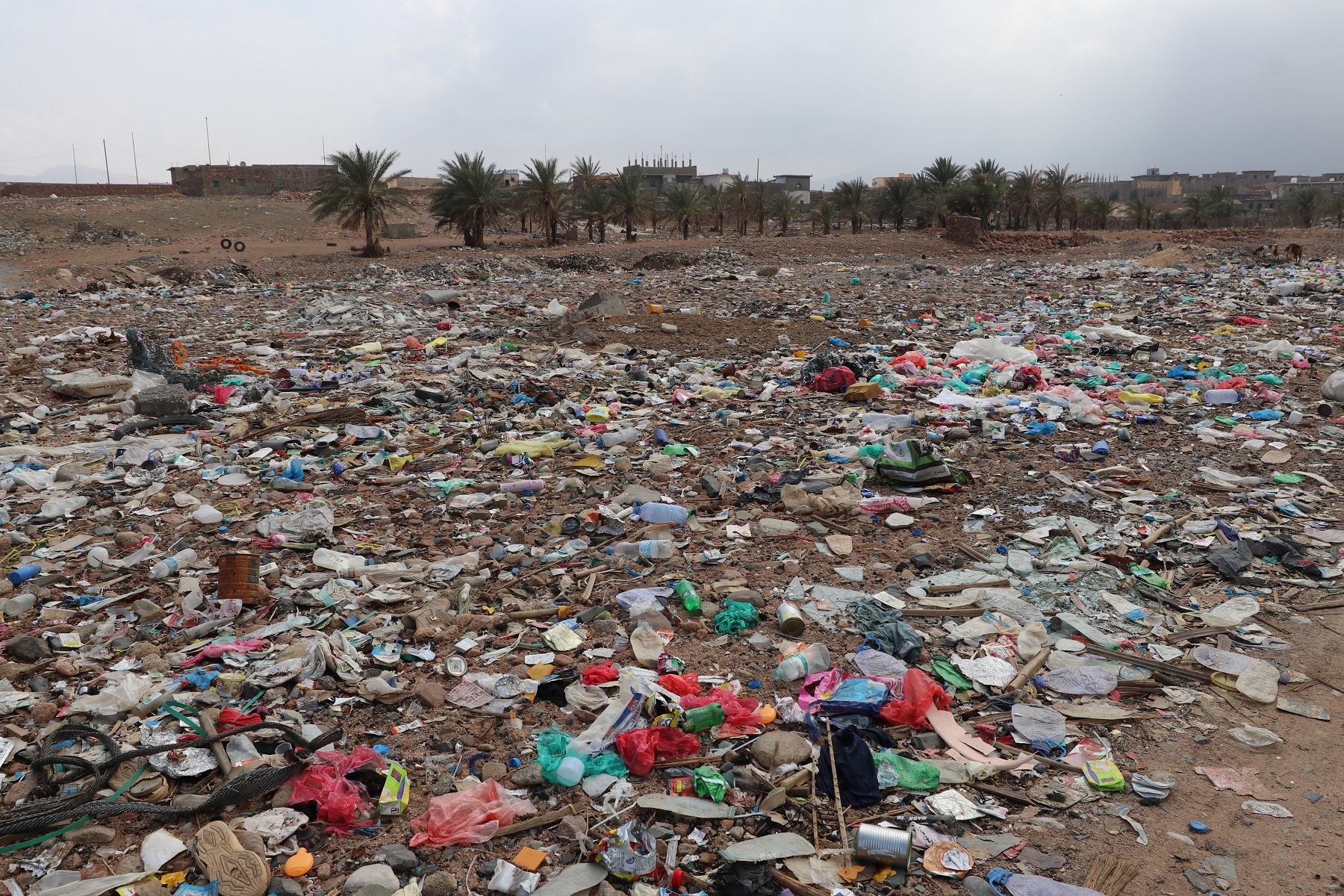
Plastic waste in Socotra’s capital, Hadibo, November 3, 2025 (South24 Center)
Salem Hawash, Director of the Environmental Protection Authority in Socotra, acknowledges the island’s plastic crisis. He told South24: “The spread of plastic bags and materials in parts of the island, including the capital Hadibo, has begun to distort the natural landscape and poses a threat to turtles and marine life, in addition to its dangers to wildlife.”
Hawash noted that authorities on the island “are working to establish a small plant to recycle plastic waste.”
Alongside plastic pollution, unregulated urban expansion has emerged as another factor affecting natural habitats. with construction spreading into environmentally sensitive areas despite the existence of national decrees regulating development and specifying zones where building is permitted. Field observations show new structures on the edges of wetlands in reserves such as Sirhin, leading to soil disturbance and damage to slow-growing plants.
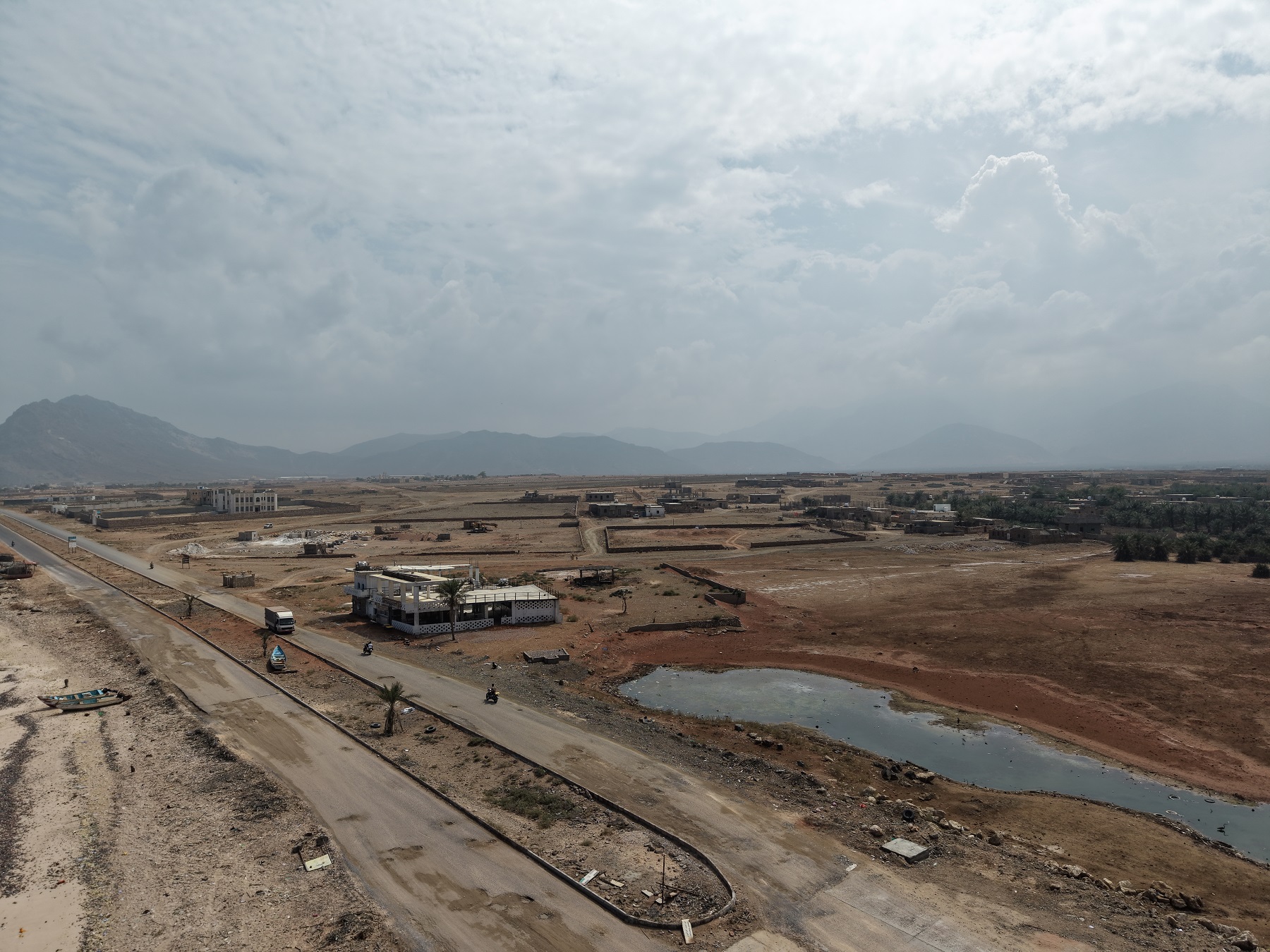
Urban encroachment threatens bird-nesting wetlands in Sirhin, Socotra, November 3, 2025 (South24 Center)
This is accompanied by increasing reliance on firewood, especially in rural areas suffering from high household gas prices or irregular supply, pushing some families to depend on trees as an alternative energy source.
Unregulated tourism activities have also increased in several natural sites, placing additional pressure on environmental trails and coastal areas.
Hawash noted that “unregulated tourism is one of the biggest drivers of the ecosystem degradation in Socotra,” adding: “We need a comprehensive assessment for the period 2015–2025, scientific documentation of marine and terrestrial damage, the establishment of fenced areas to rehabilitate trees, a specialized environmental police force, and activation of early warning systems for cyclones.”
Regarding the role of local authorities, Yahya bin Afrar, Deputy Governor for Tourism and Culture Affairs, told South24 that “the local authority is working to implement waste management plans, regulate tourist visits to reserves according to carrying capacity, activate field monitoring, combat the smuggling of seeds and rare species in coordination with security agencies, train local guides, and raise visitor awareness of environmental laws.”
He added: “We understand that the archipelago and its unique environment face multiple challenges. We are working within available resources, and we will preserve this environment.”
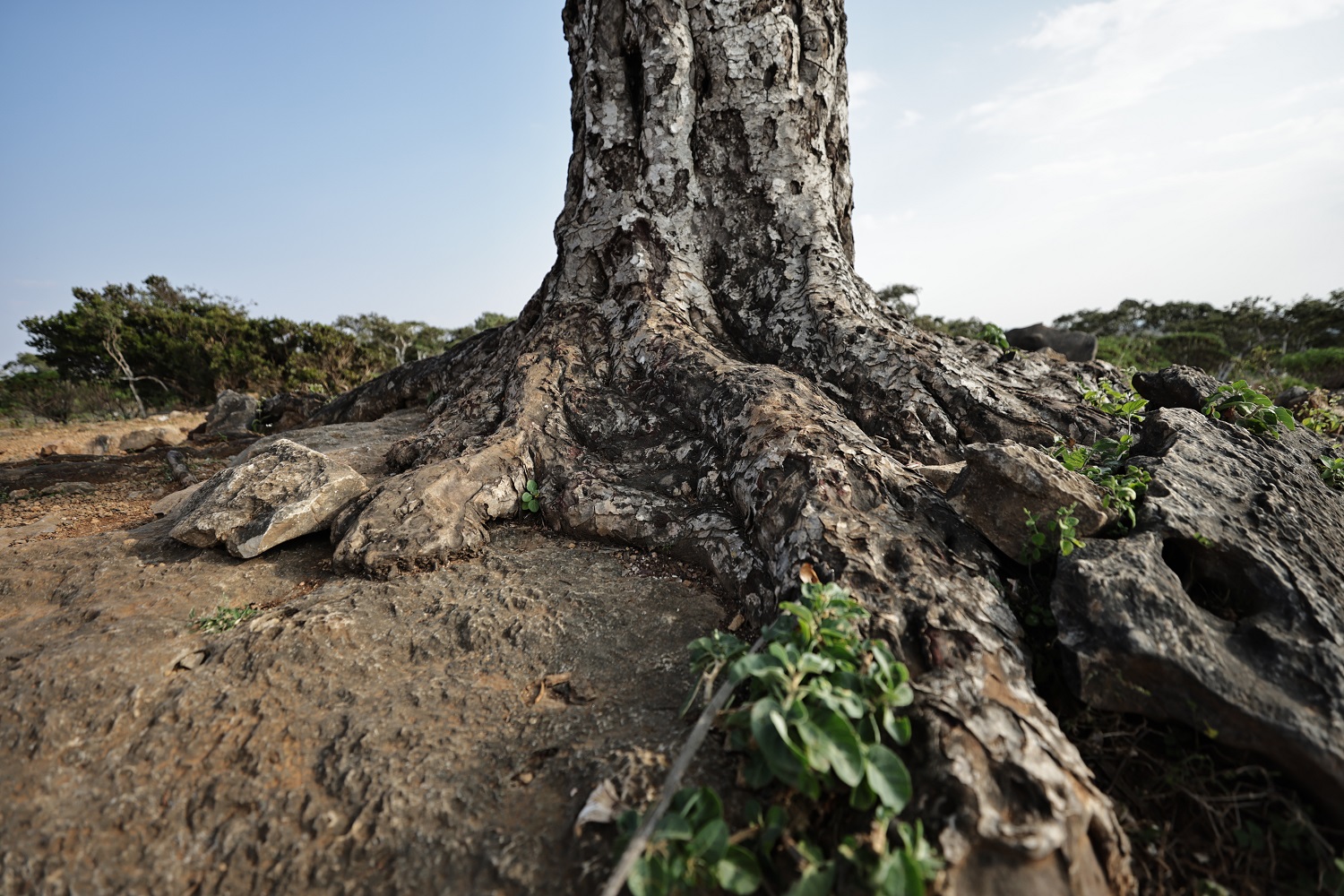
Diksam Reserve, central Socotra Island, November 7, 2025 (South24 Center)
Important Steps to Protect Socotra’s Environment
According to the contributors of this report, several recommendations emerge that could form a general framework for protecting Socotra’s environment in the coming phase. These include strengthening local environmental legislation and activating regulatory tools, supporting initiatives to protect trees damaged by cyclones and grazing, improving waste management, and establishing small recycling projects to address plastic waste.
Regulating tourism movement according to the carrying capacity of natural sites and developing awareness programs for both residents and visitors are also essential steps that can mitigate the impact of human activities.
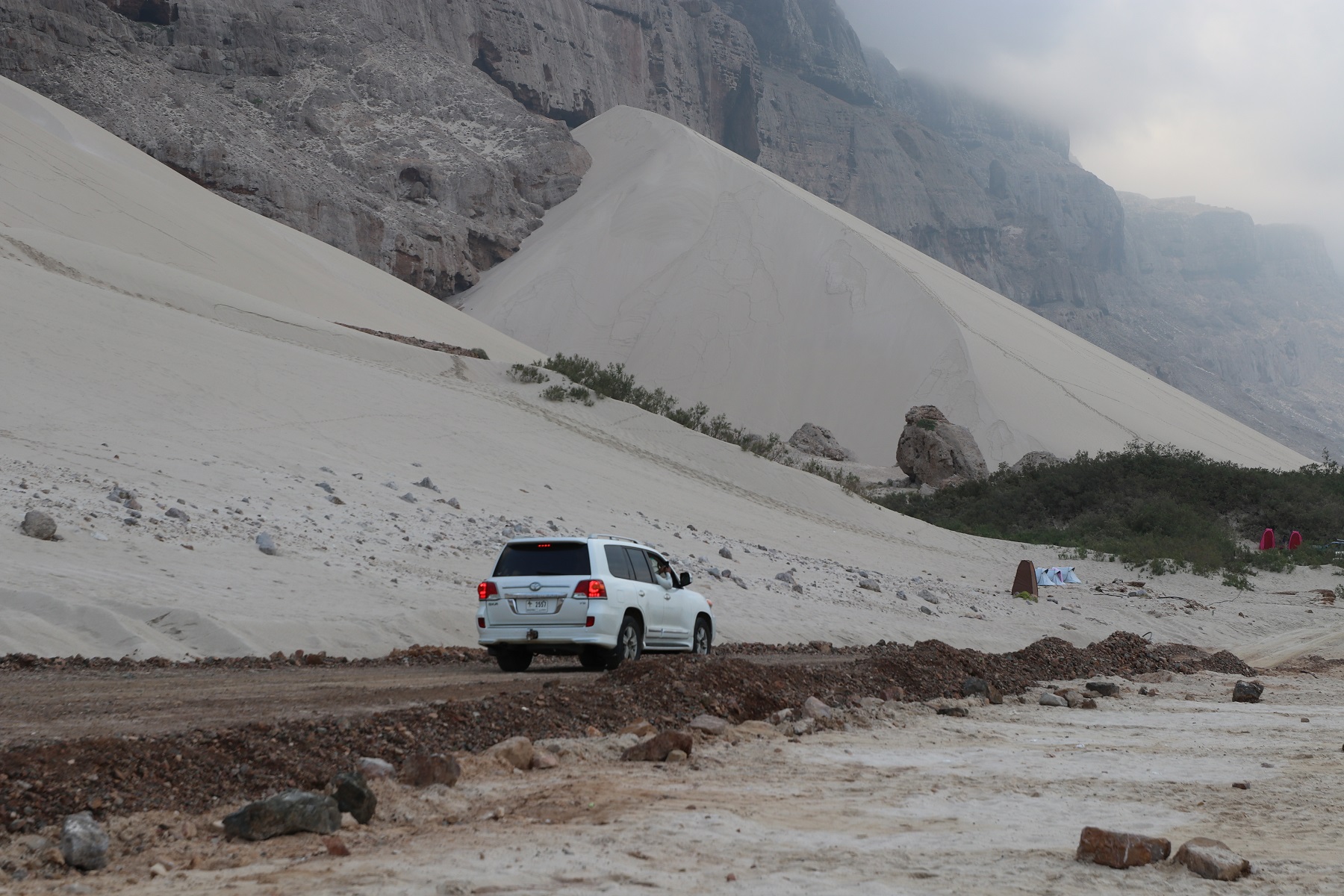
Arher area, northern Socotra, November 3 2025 (South24 Center)
The recommendations also stressed the need to resume scientific studies and environmental assessments on a regular basis as a central step to understanding the evolution of the ecosystem’s condition and directing efforts toward more precise priorities. With such data, more effective environmental policies can be developed, contributing to preserving Socotra’s unique ecological status and enabling the archipelago to face current challenges and restore part of its natural balance in the coming years.


قبل 3 أشهر
قبل 3 أشهر