SOUTH24 CENTER FOR NEWS & STUDIES
SOUTH24 CENTER FOR NEWS & STUDIES


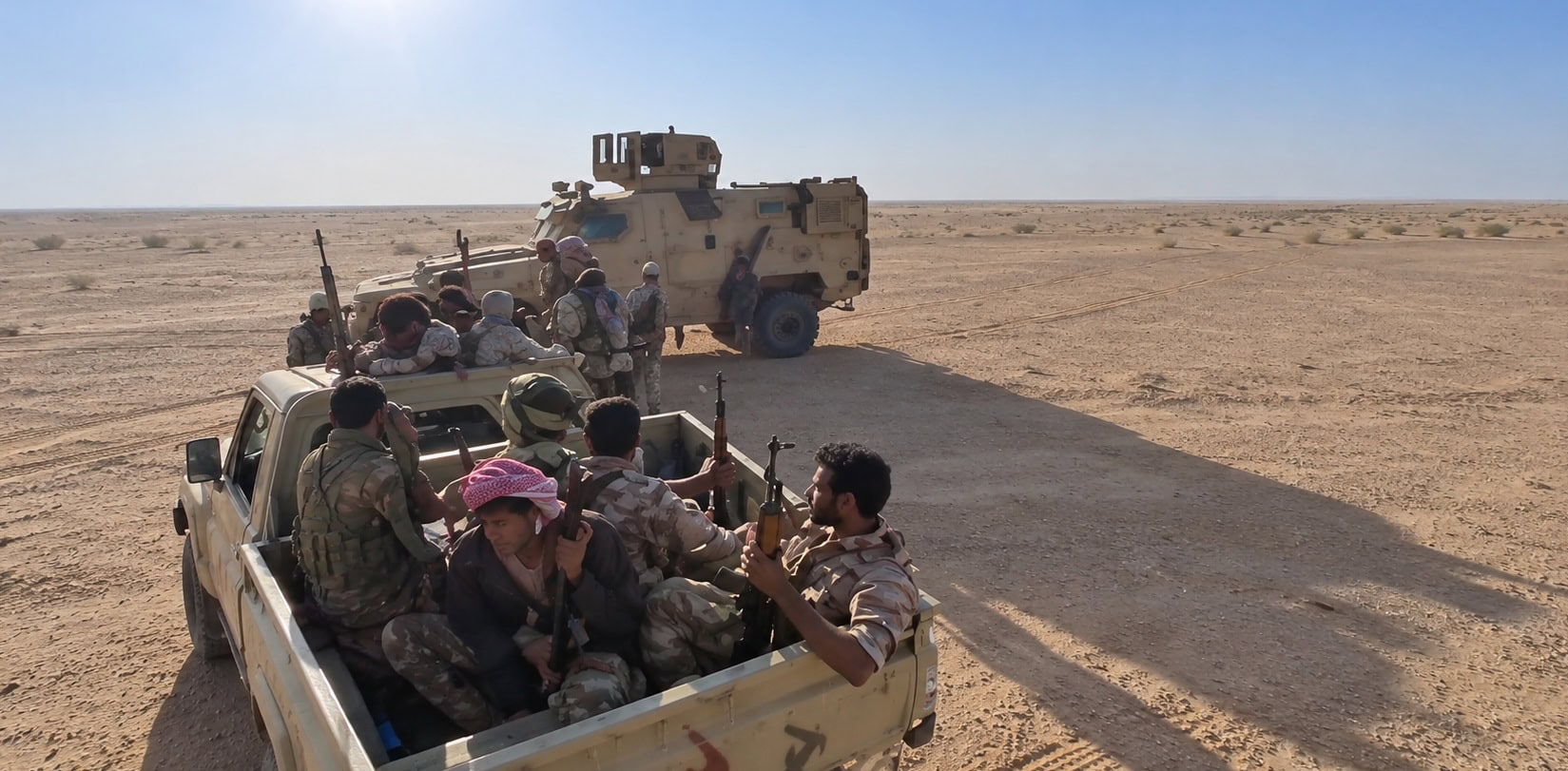
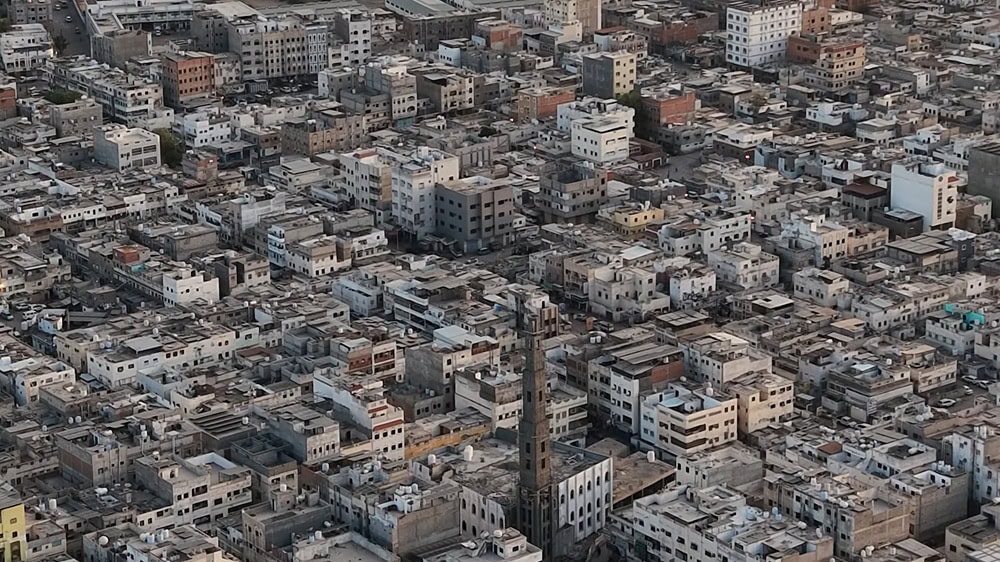
Government-aligned Yemeni forces near the outskirts of Al-Labanat Camp in Al-Jawf Governorate, according to footage circulated online. Image extracted by South24 Center and enhanced using AI. September 7, 2026.
Last updated on: 07-09-2026 at 1 PM Aden Time
South24 Center (Aden)
Government-aligned Yemeni forces launched a military operation against Houthi positions in Al-Jawf Governorate, North Yemen, on Monday morning (September 7), according to a local source who spoke to South24 Center, marking the latest expansion of military operations against the group amid a broader escalation on other fronts across the country.
A South24 source said military movements had begun toward Houthi-held areas in the governorate, while videos posted by soldiers on Monday morning showed military units moving toward the frontlines.
Soldiers who posted one of the videos said the movements marked the beginning of a battle to “liberate Al-Jawf from the Houthis with Saudi support.”
South24 Center could not independently verify the scale of the operation or the forces participating in it. The extent and nature of the Saudi support referred to in the videos also remain unclear.
Hours after the operation began, Colonel Majid Al-Nuzaili, spokesman for the government-aligned Yemeni Armed Forces, said the forces were “advancing steadily” and achieving what he described as victories on the Al-Jawf and Al-Bayda fronts, according to remarks carried by government state television.
Al-Nuzaili also called on Houthi fighters to leave the axes of advance and withdraw with their light weapons, saying the appeal was intended to protect their lives.
His remarks marked the first public acknowledgement by the government military spokesman of advances in Al-Jawf since the ground operation began on Monday morning. However, he did not identify the areas captured, the distance of the advance, the forces leading the operation, or any changes in territorial control.
South24 Center could not independently verify the extent of the advances claimed by the government forces.
The reference to Al-Bayda also indicates that the current military escalation has expanded beyond Al-Jawf and the western fronts, although detailed information about the scale and direction of operations there remains limited.
The Al-Jawf operation comes after several days of unusually heightened military activity in the governorate, including attacks on Houthi positions, alongside ongoing fighting in Taiz, Al-Hodeidah, Marib, and other areas.
On September 6, Al-Nuzaili announced a military operation against the Houthi-controlled Al-Labanat camp in Al-Jawf, saying it had resulted in the “destruction and neutralization” of Houthi personnel and capabilities.
Al-Nuzaili said the operation used “specialized capabilities that have recently entered service,” without disclosing the nature of those capabilities or the type of weapon used. South24 Center could not independently verify the results of the operation.
Later on Sunday, the Yemeni Armed Forces Media Center, affiliated with the Ministry of Defense, said what it described as “warplanes of the Armed Forces” had carried out strikes against Houthi positions and gatherings in Al-Labanat, Al-Alam, and the provincial center of Al-Jawf, alongside other strikes in Al-Barh, southern Al-Hodeidah, and the western outskirts of Marib.
On Monday, Al-Nuzaili was also quoted as saying that air-force capabilities and what he described as “special weapons” were actively participating in the ongoing battle.
Government military media had previously attributed more than 15 airstrikes on the Taiz and Al-Hodeidah fronts to “warplanes of the Armed Forces,” but did not identify the military branch operating the aircraft, the types of aircraft involved, the bases from which they took off, or the command overseeing the operations.
South24 Center could not independently verify the attribution. Military sources who spoke to the center had suggested that Saudi Arabia may have carried out some of the airstrikes, although Riyadh has not officially announced any involvement.
A Houthi announcement on Monday morning that the group had downed an aircraft in Al-Jawf has added another layer of uncertainty surrounding the aerial activity.
Houthi military spokesman Yahya Saree said the group’s forces had shot down an armed CH-4 reconnaissance drone that he claimed belonged to Saudi Arabia while it was carrying out what he described as “hostile operations” over Khabb wa Al-Sha’af District in Al-Jawf Governorate.
The Al-Jawf offensive comes as fighting continues on the western Taiz and West Coast fronts.
Yemeni military sources told South24 Center on Monday that fierce clashes involving various types of weapons were underway on the Al-Barh front west of Taiz between the Southern Giants Forces and the National Resistance Forces on one side and the Houthis on the other.
The Yemeni Armed Forces Media Center said on Sunday that an attack had been launched along three axes on the Al-Barh front, alongside the recapture of positions in Al-Kadhah west of Taiz and the establishment of new positions south of Al-Hodeidah, according to the government account.
The developments are an extension of the fighting that began on September 3 with a large-scale Houthi offensive west of Taiz and along the West Coast fronts. The group initially made territorial gains before anti-Houthi forces, including the Southern Giants Forces and the National Resistance, launched counterattacks on several fronts.
With military activity now expanding into Al-Jawf and Al-Bayda, the escalation extends across several geographically separate fronts stretching from North Yemen and eastern Marib to Taiz and the West Coast.
It remains unclear whether the simultaneous operations are being conducted under a unified military plan or represent separate offensives by different government-aligned formations.
Al-Jawf carries particular military significance because of its location along the border with Saudi Arabia, north of Marib Governorate, and the connection of its frontlines to broad areas of North Yemen.