SOUTH24 CENTER FOR NEWS & STUDIES
SOUTH24 CENTER FOR NEWS & STUDIES


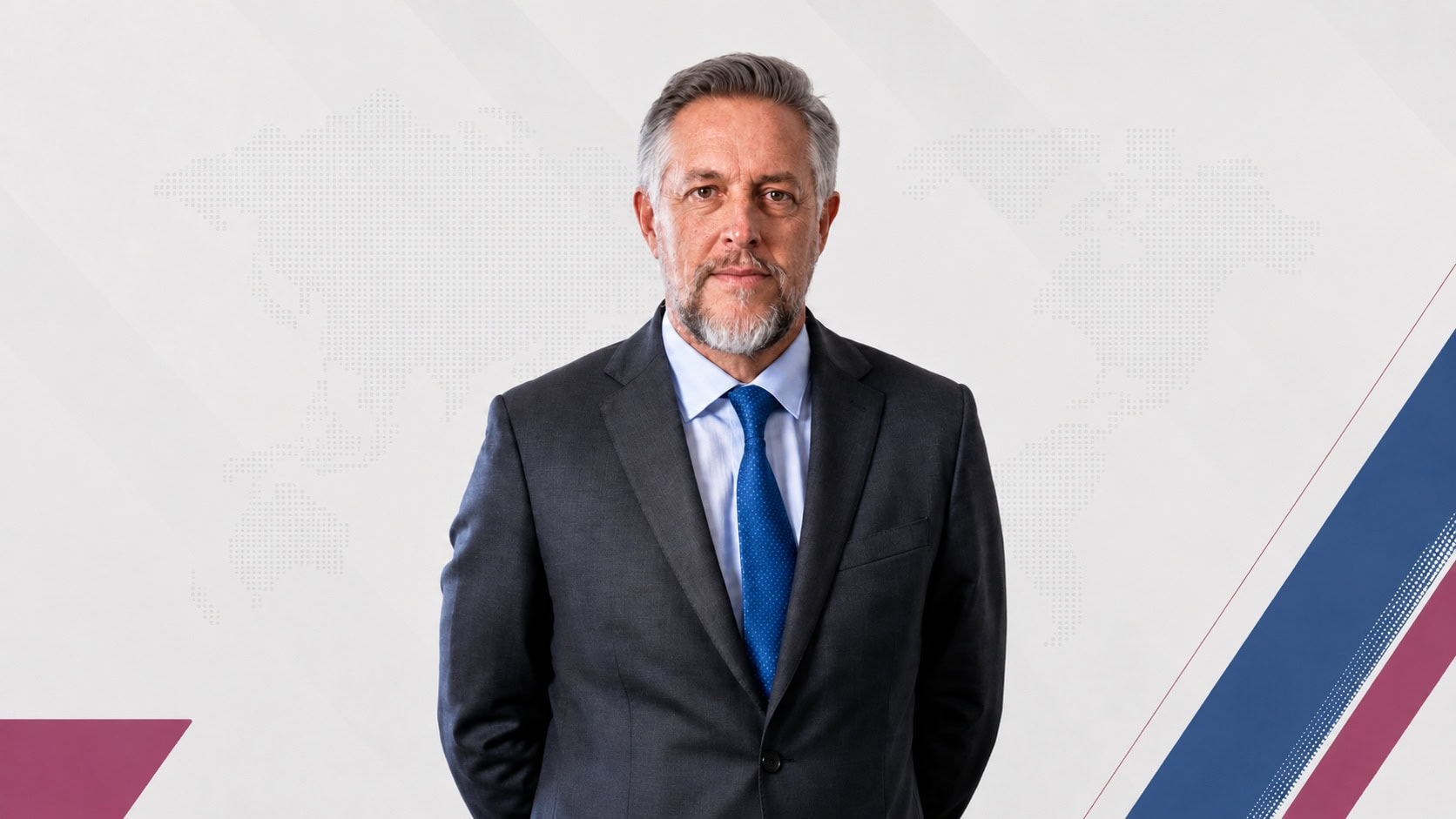
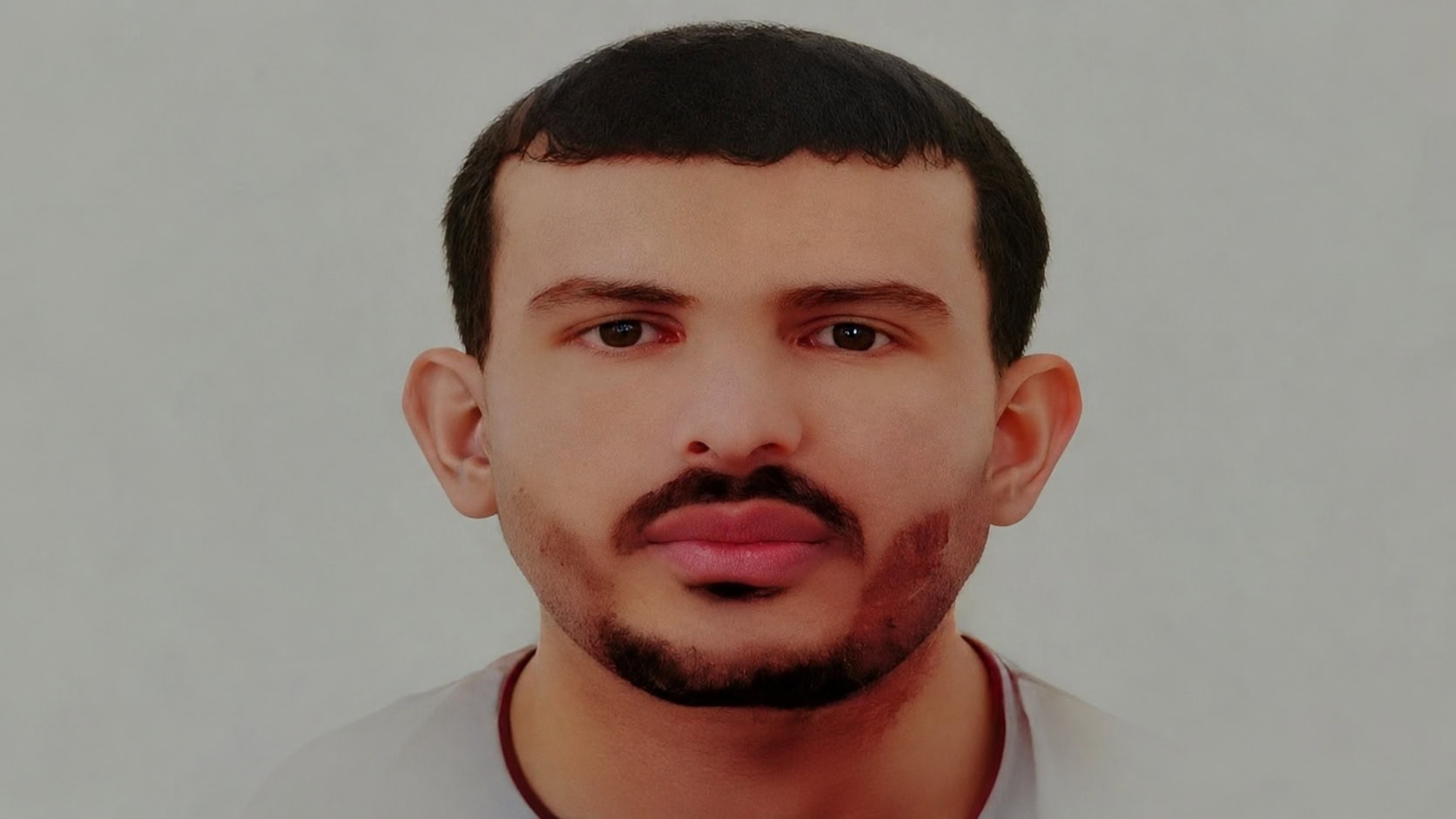
EU Ambassador to Yemen Patrick Simonnet
17-08-2026 at 2 PM Aden Time

South24 Center | Interviewed by Jacob Al-Sufyani
EU Ambassador to Yemen Patrick Simonnet, in a special interview with South24 Center for News and Studies, presented the European Union’s perspective on a range of political, security and economic issues in Yemen, including the developments South Yemen has witnessed since December 2025, the Southern issue, the future of the political process, regional rivalry, and Red Sea security.
On the Southern issue, Simonnet said the European Union recognises that it is “an important and complex political issue” that must be addressed seriously. He stressed that Southern voices and perspectives must be “meaningfully represented” in any inclusive political process, and that any sustainable settlement must reflect the diversity of the South.
Regarding the modalities for addressing the issue, the ambassador said that Yemenis themselves should determine its format, noting that the European Union had welcomed the call by Chairman of Yemen’s Presidential Leadership Council Rashad al-Alimi for a conference on the situation in the South (Southern Dialogue), as well as Saudi Arabia’s offer to host it.
On regional affairs, Simonnet stressed that “Yemen must not become a battleground for regional power struggle,” calling on regional and international actors to support de-escalation and a political solution, and to prevent further internal fragmentation, military escalation and the erosion of state institutions.
The interview also addressed Red Sea security and attacks on shipping, the role of Operations ASPIDES and ATALANTA, and the EU’s position on the Saudi-led Multinational Defensive Maritime Coalition, alongside European assistance, economic recovery, human rights and media freedom, and the future of the EU’s presence and partnership with Yemen.
Full interview:
1. Since December 2025, South Yemen has witnessed unprecedented political and military developments that have reshaped the balance of power on the ground. How does the European Union assess these developments?
The European Union closely followed last year’s developments in southern and eastern Yemen and expressed concern over their implications for the country’s stability. Our priority has always been to encourage restraint, de-escalation and dialogue, and to discourage any unilateral steps that could deepen fragmentation or open new fronts in the conflict. The EU’s position remains clear: We support Yemen’s unity, sovereignty, independence and territorial integrity, as well as the Presidential Leadership Council (PLC) and the Government of Yemen. At the same time, we believe that political grievances and competing aspirations must be addressed through an inclusive, Yemeni-owned political process.
2. The European Union consistently reaffirms its support for Yemen’s unity, but recent developments have also highlighted the expansion of Southern demands for independence or self-determination. How does the EU now view the Southern issue?
The European Union recognises that the Southern issue is an important and complex political issue that must be addressed seriously as part of an inclusive dialogue process. It involves longstanding political, economic and social grievances, as well as questions of representation, governance and the distribution of power and resources. A lot of issues have been covered during the National Dialogue Conference, and its recommendations should be discussed during such a process. Again, the EU firmly supports Yemen’s unity, sovereignty, independence and territorial integrity, while at the same time believing that Southern voices and perspectives must be meaningfully represented in an inclusive political process. Any sustainable settlement must reflect the diversity of the South and avoid the assumption that any single actor represents all Southern constituencies.
3. Do you believe that addressing the Southern issue within broader Yemeni negotiations will be sufficient, or do its complexities require special arrangements or a political track that ensures its distinct nature is properly addressed?
The format and modalities for addressing the Southern issue should be determined by Yemenis themselves. In this spirit, the EU has welcomed President Rashad al-Alimi's call for a conference on the situation in the South and Saudi Arabia's offer to host it. We trust the conference will provide a credible and inclusive platform for Southern actors to address the southern issue and contribute constructively to a comprehensive political settlement. The priority is to ensure that the Southern issue is addressed seriously, inclusively and through dialogue, in a manner that supports a peaceful and sustainable future for Yemen as a whole.
4. Over recent months, regional rivalry has intensified, with repercussions for the Yemeni landscape, particularly in the South. How does the EU assess the role of regional powers, and what is needed in the next phase to prevent further escalation?
Regional actors have significant influence in Yemen and therefore carry a particular responsibility to support de-escalation and a political solution. Their engagement must help stabilise the country, facilitate dialogue and support its economy and institutions. The EU maintains dialogue with regional partners and encourages them to coordinate their efforts in support of the UN-led process, and the functioning of the Government and its institutions. Yemen must not become a battleground for a regional power struggle. Regional and international actors should act responsibly to prevent further internal fragmentation, military escalation and the erosion of state institutions. Their collective priority should be to help Yemenis move towards peace, economic stability and functioning governance. The EU has consistently called on all stakeholders to pursue de-escalation and enhanced diplomatic engagement.
5. The European Union consistently calls for an inclusive political process. In practical terms, what criteria does the EU use to determine whether such a process has become genuinely inclusive? And how can the representation of the different forces and constituencies be ensured?
A genuinely inclusive political process must reflect Yemen’s political, social and geographic diversity and provide meaningful opportunities to address the conflict. This includes women, young people, civil society, local authorities, communities, and economic and social actors. Inclusion cannot be limited to symbolic representation. Participants must be able to influence discussions and outcomes, and the process must acknowledge the diversity of views within regions and constituencies. The European Union has provided substantial support to UN-led peace efforts and has equally mobilised its crisis-response instruments to support Track II initiatives, dialogue among Yemeni parties, local stabilisation, economic de-escalation and other confidence-building measures. The European Institute for Peace has done some useful work in this context.
6. The European Union is one of Yemen’s largest donors, yet citizens continue to face deteriorating public services and economic conditions. How does the EU ensure that its assistance contributes to building more effective and transparent institutions, rather than merely managing the crisis?
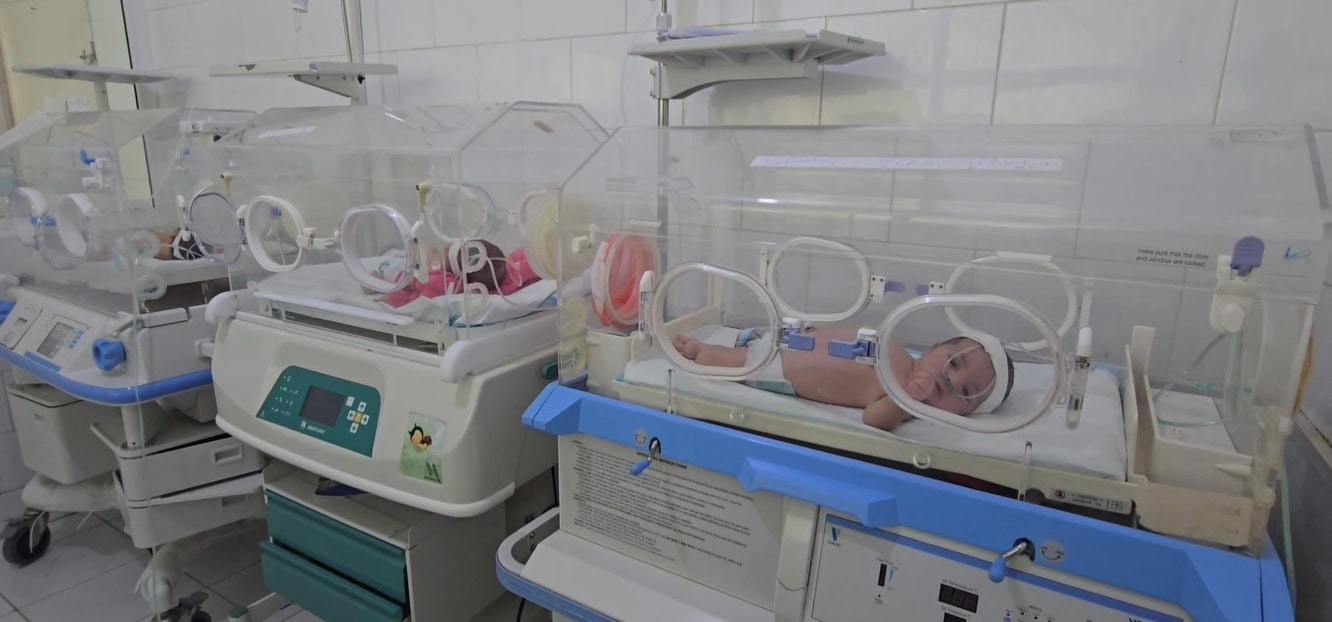
Unfortunately, Yemen’s humanitarian situation remains extremely dire, and millions of Yemenis continue to depend on life-saving assistance. At the same time, humanitarian aid cannot substitute indefinitely for effective public institutions. Yemen needs stronger governance, more reliable basic services, economic recovery and greater accountability. This is why the EU increasingly combines immediate assistance with longer-term support for institutional capacity, local service delivery, livelihoods and economic recovery. We work with government institutions, local authorities, civil society, the private sector and international organisations to this end. We also support efforts to improve economic governance and the business environment, and to strengthen institutions such as the Central Bank and key ministries. Our objective is not simply to manage the consequences of the crisis, but to preserve and strengthen the systems Yemenis will need for sustainable recovery. The Government, however, has a crucial responsibility to pursue reforms, improve transparency, mobilise public revenues and ensure that resources are used effectively to provide services. International assistance can help advance these efforts, but lasting progress ultimately depends on national leadership, ownership and accountability.
7. After more than a decade of war, does the European Union have a vision for moving from humanitarian relief to economic recovery and sustainable development, particularly in the liberated governorates under the control of the Yemeni government?
The EU does not see humanitarian relief and long-term recovery as competing alternatives. Yemen needs both. The aim is to gradually move from crisis management towards resilience, recovery and sustainable development, while recognising that humanitarian assistance must continue wherever urgent needs remain. There is a particular need to stabilise institutions, improve basic services, create jobs and improve the operating environment for the private sector. Our support contributes to addressing these challenges by strengthening livelihoods, food security, water services, local governance, youth entrepreneurship, cultural heritage, small businesses and economic recovery. The private sector should play an important role in Yemen’s recovery. However, it needs greater stability, better infrastructure, access to finance and better regulations. Ultimately, sustainable recovery requires a political settlement. Nevertheless, practical work cannot wait for a final peace agreement. Institutions and communities need support now to preserve the foundations for future recovery.
8. How does the European Union assess the renewed attacks on shipping in the Red Sea and the maritime coalitions being formed in the region? How does it evaluate the results of Operations ASPIDES and ATALANTA in protecting vessels and securing shipping routes?
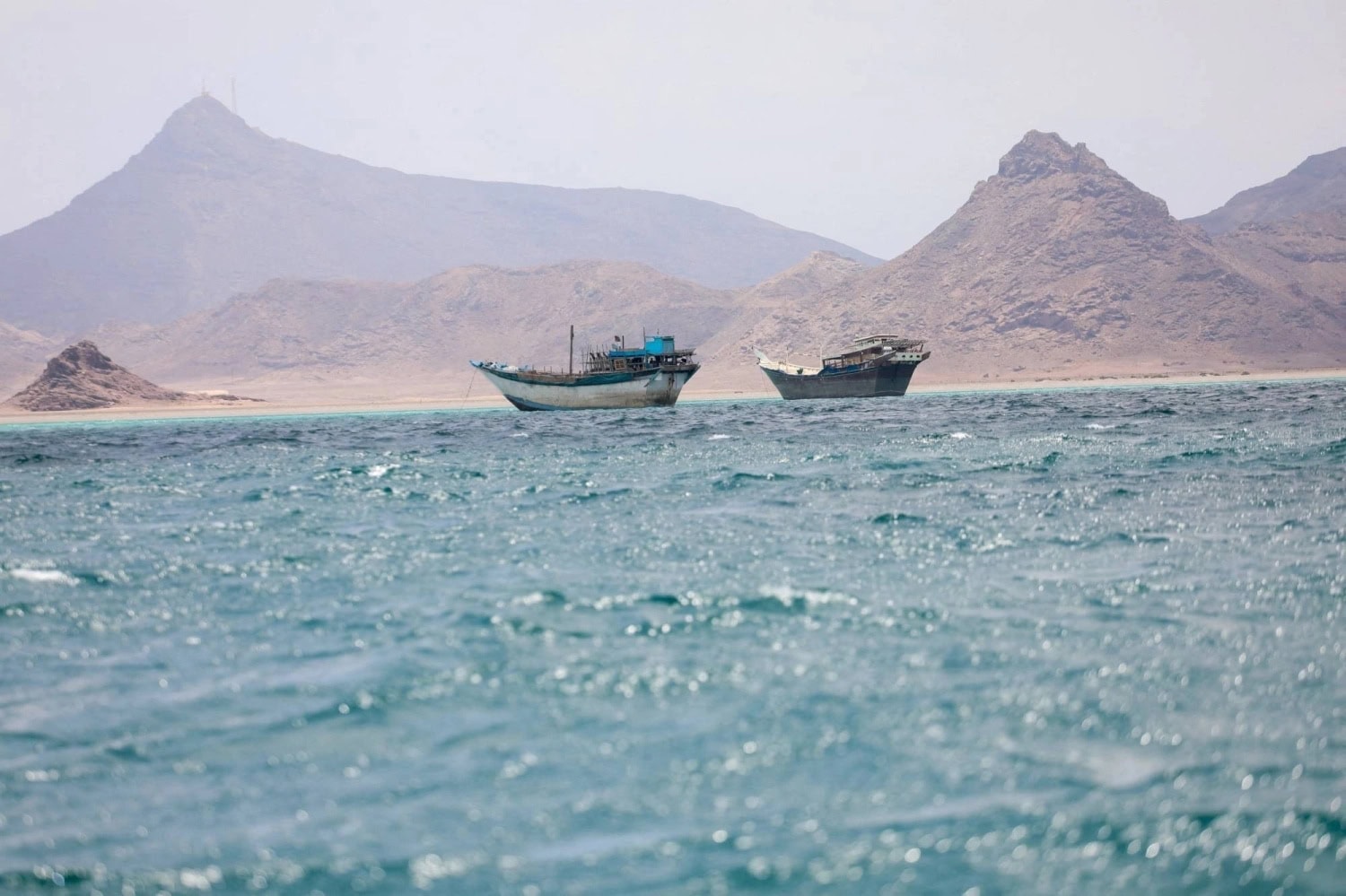
The EU strongly condemns attacks against commercial shipping. They threaten seafarers’ lives, violate freedom of navigation, disrupt international trade and increase transport and insurance costs. These attacks must stop. For Yemen, which depends heavily on imports of food, fuel and other essential commodities, maritime insecurity has particularly serious economic and humanitarian consequences. Operation ASPIDES was established as a strictly defensive operation to safeguard freedom of navigation and protect commercial vessels. Its mandate has been extended until 28 February 2027, reflecting the continued need for a European naval presence in the Red Sea. The operation has enabled the safe transit and protection of merchant vessels and has demonstrated the EU’s ability to provide a proportionate, defensive response in accordance with international law. ASPIDES has helped secure the safe passage of more than 2260 merchant ships since it was launched. Operation ATALANTA has a different but complementary mandate. It has long contributed to counter-piracy and wider maritime security in the western Indian Ocean.
9. The European Union states that human rights, the rule of law, and media freedom are priorities in its foreign policy. How is this commitment translated into practice in Yemen, given the violations committed by various parties?
The EU consistently raises human rights in its engagement with all parties. Violations are unacceptable, regardless of who commits them. Through bilateral dialogue and public advocacy, we continue to call on all stakeholders to respect and protect human rights at all times. Accountability, the rule of law and respect for fundamental freedoms must form part of any sustainable peace. In practice, the EU supports civil society organisations, human-rights defenders and media groups to strengthen monitoring and reporting. We also advocate for independent and impartial monitoring and documentation of violations and for the integration of accountability and transitional justice into the peace process. Journalists must be able to carry out their work without intimidation, arbitrary detention, violence or interference. This is especially important during conflict, when reliable information is essential to protecting civilians and preventing impunity. We remain particularly concerned about arbitrary detentions, restrictions on civic space and interference with humanitarian and development work. The EU calls on the Houthis for the immediate and unconditional release of detained UN, NGO, civil-society and diplomatic personnel. We also call all parties to release all detained media workers without any delay. Moreover, we continue to advocate for the release of abductees in support of the work done by the Mothers of Abductees’ Association.
10. The year 2026 witnessed increased European diplomatic activity inside Yemen, including the visit to Aden and the celebration of Europe Day. Does this mark the beginning of a more effective European presence from within Yemen? And how do you view the future of the partnership between the European Union and Yemen in the years ahead?
Our increased engagement inside Yemen reflects the EU’s commitment to maintaining direct engagement with the Yemeni people, the Government, local authorities, civil society and the partners implementing our programmes on the ground. Celebrating Europe Day in Aden for the first time since the beginning of the conflict carried a strong political message of support for the Government of Yemen and for stabilisation and reform. Our visits to Aden, Marib, Taiz, Hadhramaut and other areas also allow us to understand local priorities directly, assess the impact of EU support and engage with a wider range of Yemeni actors. This reflects our active and deep engagement with Yemen. Over the coming years, we would like the partnership to move progressively beyond crisis response by institutionalising our support across sectors. The EU seeks a stronger relationship with Yemen, with more focus on economic recovery, a more robust private sector and closer regional connectivity. The EU sees its partnership with Yemen as a long-term commitment. We will continue supporting an inclusive peace, stronger institutions, economic recovery and better opportunities for all Yemenis.
11. Could the European Union join the maritime coalition called for by Saudi Arabia to protect navigation in Bab al-Mandab, the Red Sea, and the Gulf of Aden?
With direct interests at stake, the EU has demonstrated a long-standing commitment to the regional maritime security architecture. The EU actively participates in all relevant fora (Djibouti Code of Conduct, Indian Ocean Commission), which must continue to serve as information exchange platforms.
The EU conducts two maritime operations – ASPIDES and ATALANTA – with strictly defensive mandates in the Red Sea and the Gulf of Aden, supporting freedom of navigation and the security of sea lines of communication. They were designed to address different maritime crises with continued interactions with regional partners.
We are prepared to engage actively with the Multinational Defensive Maritime Coalition (MDMC) to foster mutual understanding. Both the MDMC and the EU would benefit from interaction at the political level to ensure complementarity of efforts.
Previous article