SOUTH24 CENTER FOR NEWS & STUDIES
SOUTH24 CENTER FOR NEWS & STUDIES


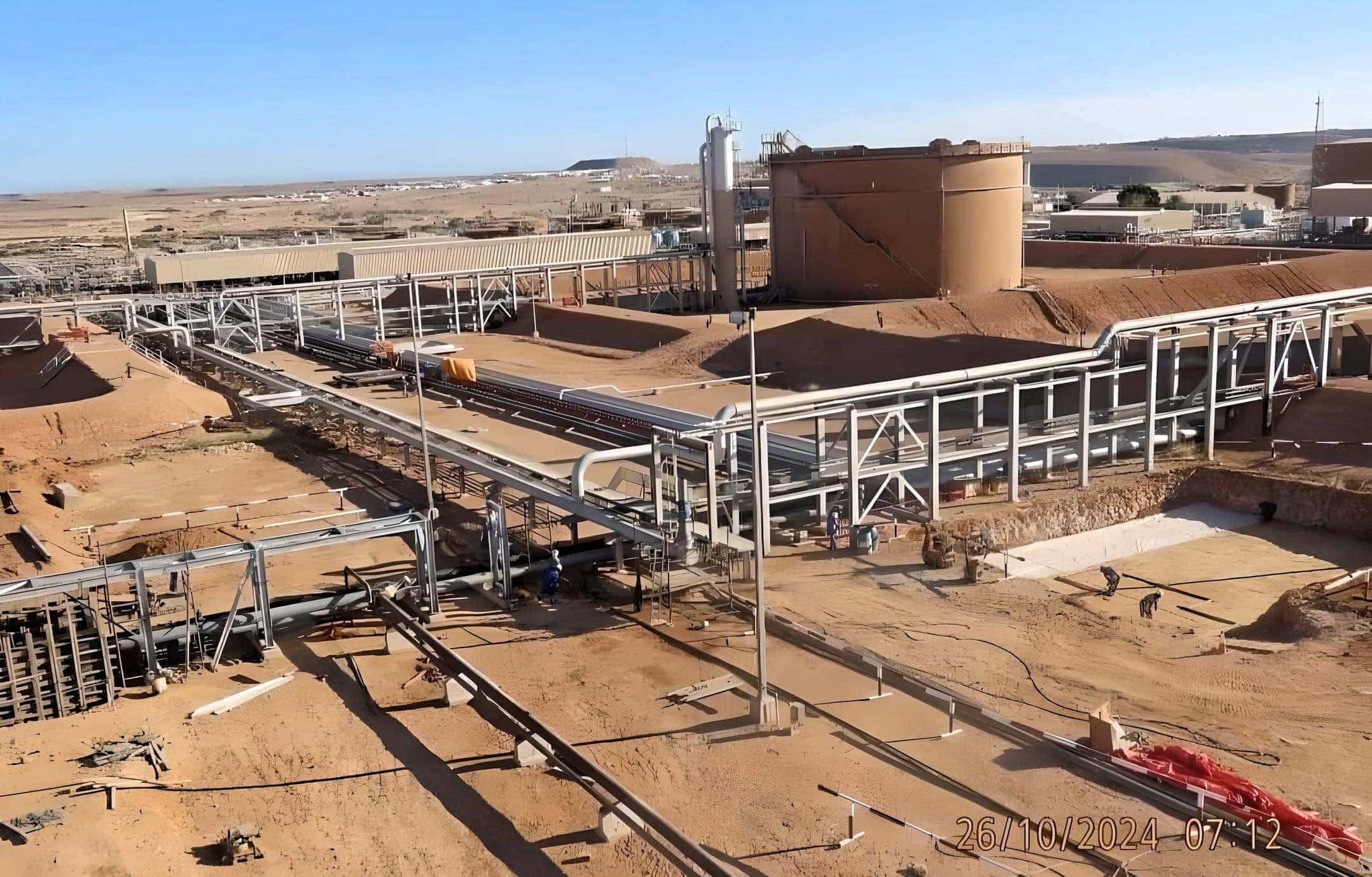
An oil facility operated by PetroMasila in Hadramout Governorate, South Yemen (Local media)
02-08-2026 at 9 PM Aden Time

Abdullah Al Shadli (South24)
The announcement by Yemeni Presidential Leadership Council Chairman (PLC) Rashad Al Alimi on July 20, 2026, that oil exports would resume has brought the issue of sovereign resources back to the forefront of Yemen's political and economic scene. The country's main oil fields and export ports are concentrated in South Yemen. The announcement came nearly four years after the suspension of one of the most important sources of foreign currency and public revenues for the internationally recognized government.
Al Alimi pledged to direct oil revenues toward paying salaries, improving public services, strengthening economic stability, and serving Yemenis across the country. He linked the move to ending what he described as Houthi blackmail and restoring the state's right to manage its resources.
The announcement subsequently moved into the implementation phase. On July 21, the Supreme Committee for Crude Oil Marketing held a meeting chaired by Prime Minister Shaya Mohsen Al Zindani to discuss the technical, administrative, and logistical arrangements required to resume exports. The Ministry of Oil also announced that more than 1.7 million barrels of crude were ready for shipment and instructed producing companies to gradually increase production and reactivate a number of suspended oil fields.
However, the government has yet to announce the start of regular exports. The process faces complex security and logistical challenges related to protecting ports, facilities, and pipelines, ensuring the arrival of tankers, and dealing with rising shipping and insurance costs.
The announcement came amid a highly volatile regional environment. It coincided with the Houthis announcing a maritime blockade targeting vessels linked to Saudi ports, attacks on oil tankers and facilities in Saudi Arabia, and the rerouting of some vessels away from the Bab Al Mandab Strait. Saudi Arabia has also carried out airstrikes on Houthi controlled areas in Al Hodeida Governorate.
The timing of the announcement alongside the Saudi-Houthi escalation carries several possible implications. On one hand, it can be viewed as a government effort, backed by regional actors, to challenge the equation imposed by the Houthis since they targeted oil export ports in late 2022. It also represents an attempt to restore a sovereign resource whose suspension has deprived the government of billions of dollars, while deepening salary, public service, and currency crises.
On the other hand, Al Alimi's remarks about directing revenues toward serving Yemenis in all parts of the country raise questions about whether the resumption of exports could be linked to broader economic arrangements related to the roadmap, the payment of salaries in Houthi controlled areas, and the management and distribution of revenues.
These questions are accompanied by other equally complex disputes over which authority will manage the revenues, the security guarantees required to sustain exports, the share allocated to producing governorates, and the extent to which Southern Forces will participate in decisions concerning oil in Hadramout and Shabwa. This leaves the announcement open to several possible implications and scenarios examined in this report.
Implications
Anwar Al Tamimi, the official spokesperson for the Southern Transitional Council (STC), said that developments in the region, particularly regional and international efforts aimed at advancing what is known as the roadmap, indicate, in the council's view, that the resumption of oil exports is part of these understandings.
Al Tamimi told South24 Center that what reinforces this conclusion is the fact that Al Alimi's announcement came after the Houthis threatened to target maritime traffic to and from Saudi Arabia unless the provisions of the roadmap were implemented. According to Al Tamimi, these provisions include enabling the group to obtain the largest share of oil revenues.
Journalist and political analyst Salah Al Saqladi also links the announcement to the regional context. He believes the decision is connected to external developments as much as it is to domestic economic needs and suggests that Saudi Arabia may have pushed for it.
Al Saqladi told South24 Center that Riyadh is facing regional challenges as well as challenges related to the Yemen file, particularly following the Houthis' announcement of a ban on Saudi maritime traffic through the Bab Al Mandab Strait. He said Saudi Arabia may have instructed the Yemeni presidency to move forward with resuming exports as part of understandings that could pave the way for addressing economic issues, including revenue distribution and salary payments, which Al Alimi referenced in his statement.
He noted that, in his view, the government cannot guarantee the continuation of exports without reaching an understanding with the Houthis. He explained that if the government had been capable of doing so through a unilateral decision, exports would not have remained suspended for so many years, particularly amid the financial crisis it is facing.
Al Saqladi added that the announcement represents, in his assessment, a Saudi message more than an internal Yemeni one, because oil exports are more closely linked to security considerations than to political decisions. He said oil companies would not risk sending their tankers to Yemeni ports, particularly those in Hadramout, amid continued security risks and rising insurance costs.
He stressed that Yemen's need to resume oil exports remains pressing given the economic deterioration across the country's governorates. However, in his assessment, implementing the move and sustaining it remain dependent on regional understandings and security guarantees.
In contrast, Fares Al Najjar, an economic adviser at the Office of the President of the Republic, believes the announcement of the resumption of oil exports should not be viewed as an immediate response to the latest escalation. Rather, he sees it as a transition from managing the consequences of Houthi attacks on oil facilities to restoring the state's sovereign right to export the country's resources.
Al Najjar told South24 Center that the continued suspension of exports since 2022 is no longer acceptable economically or politically, given that it has deprived the public treasury of one of its most important sources of revenue, delayed salary payments, weakened public services, and intensified pressure on the currency and national economy.
He said resuming exports has become a national necessity to enable the state to recover its resources and fulfill its obligations toward citizens.
At the same time, Al Najjar said the decision cannot be separated from regional and international developments. He pointed to the reclassification of the Houthis as a foreign terrorist organization, the escalation of confrontation with Iran and its regional proxies and growing international recognition of the group's threats to international shipping, trade, and energy security. In his view, all of these factors have contributed to creating a more favorable environment for the resumption of oil exports.
He added that the international community is no longer focused solely on politically containing such groups, as it was in previous stages. Instead, it is increasingly moving toward reducing their influence, cutting off their sources of strength, and limiting their ability to threaten regional security and international peace.
According to Al Najjar, the southerndecision combines an urgent domestic economic and sovereign necessity with a favorable regional and international opportunity to restore the state's right to manage its resources and end what he described as Houthi blackmail.
Scenarios
The announcement of the resumption of oil exports opens the door to three main scenarios.
First Scenario: Resumption Without an Agreement With the Houthis
This scenario would involve the government moving forward with the resumption of exports with Saudi support and security and military arrangements, without a prior agreement with the Houthis. This would mean maintaining its right to manage the country's resources while leaving export ports and oil facilities in Hadramout and Shabwa vulnerable to attack.
Economic adviser at the Office of the President of the Republic Fares Al Najjar said that funds would not be handed over to what he described as an illegitimate authority that refuses to transfer revenues from Al Hodeidah Port, as well as tax and customs revenues, to state institutions and instead directs its resources toward financing the war rather than salaries and public services.
However, Southern Transitional Council spokesperson Anwar Al Tamimi questions the government's ability to proceed with this approach. He does not rule out the possibility that the Houthi militia could target oil ports and facilities, suggesting that they may resort to such attacks if the resumption of exports conflicts with their demands.
He added that the south and the region are paying the price for what he described as "disastrous policies" pursued by some regional actors managing the Yemen file. In his view, these policies have contributed to enabling the Houthis to reach a level that allows them to threaten regional interests.
Second Scenario: An Understanding With the Houthis to Revive the Roadmap
The second scenario would involve an understanding that guarantees the safety of ports and tankers in exchange for economic arrangements concerning the payment of salaries in Houthi controlled areas or the allocation of part of the revenues for this purpose.
This approach could provide a more stable source of revenue and reduce the risk of attacks. However, it could also trigger opposition from the Southern Transitional Council and other Southern Forces that reject turning oil from Hadramout and Shabwa into a source of funding for the Houthi authorities.
Al Najjar hints at the possibility that oil revenues could be distributed to citizens living under Houthi control. He says that "the rights to resources are guaranteed to all Yemenis, but managing these resources and determining how they are spent is the exclusive right of the state and its institutions." He also stresses that "no illegitimate authority can be given a blank check."
Regarding the position of the Southern Transitional Council under this scenario, Al Tamimi said the council would oppose any arrangements that allow part of the revenues to reach Houthi controlled areas. He added that the message from the southern street is that "what the Houthis failed to obtain through force, invasion, and occupation, they will not obtain through manipulation or regional pressure."
Revenue governance and the share allocated to producing governorates remain among the most prominent issues associated with this scenario. Al Najjar believes that demands for fair distribution and transparency are legitimate but distinguishes them from obstructing exports or preventing the state from recovering its resources.
He expects objections to be contained through consensus within the Presidential Leadership Council and the government, along with the establishment of a transparent mechanism that takes into account the needs of producing governorates and finances salaries and public services, without undermining the jurisdiction of the Central Bank in Aden.
In contrast, journalist and political analyst Salah Al Saqladi believes that the Southern Transitional Council's opposition stems from its belief that previous understandings were reached between Riyadh and the Houthis through Omani mediation, as well as concerns that revenues could be directed toward heavily populated northern governorates.
He expects Saudi commitments, regional pressure, and humanitarian considerations to push toward distributing revenues among different governorates under understandings with the Houthis, who, he said, are seeking to secure the greatest possible economic and livelihood gains.
Al Saqladi does not expect the Southern Transitional Council's actions to go beyond statements, public events, and popular and media pressure, arguing that its available tools of influence have declined compared with previous stages.
Third Scenario: A Stalled or Limited Resumption
The third scenario involves the implementation of the announcement being stalled, or exports later being limited to small and intermittent shipments until security guarantees are available, maritime transport risks are reduced, and insurance costs decline.
Any new attacks could prompt shipping companies to avoid Yemeni ports or delay loading operations, resulting in continued revenue shortages and worsening salary, public service, and currency crises.
Between a resumption that could provoke a Houthi response, an economic understanding that could face southern opposition, and a limited process constrained by security risks and insurance costs, the future of South Yemen's oil exports remains open to several possibilities.