SOUTH24 CENTER FOR NEWS & STUDIES
SOUTH24 CENTER FOR NEWS & STUDIES


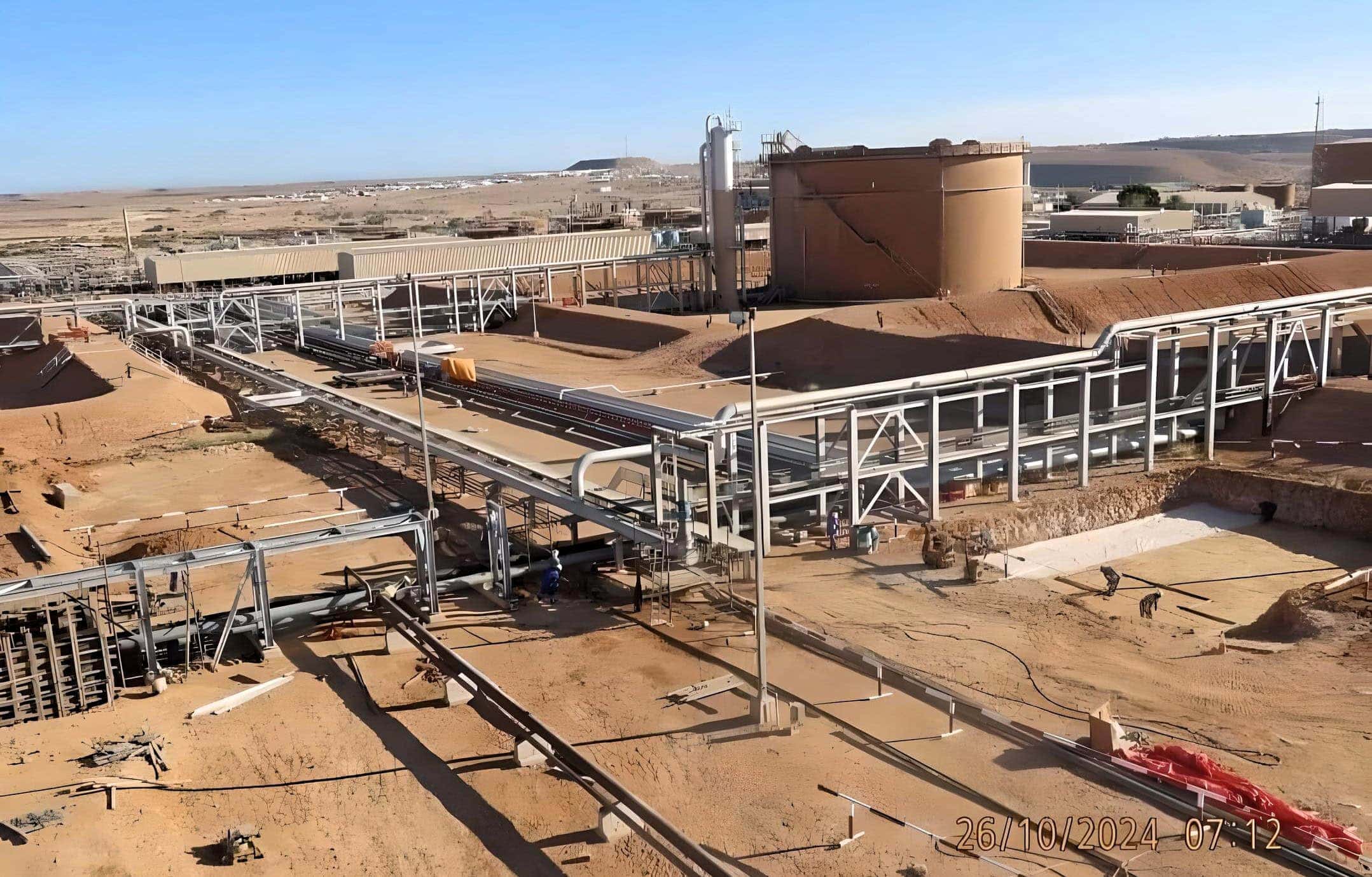
A PetroMasila oil facility in Hadramout Governorate, South Yemen (Local media)
22-07-2026 at 3 PM Aden Time
Aden (South24 Center)
The Southern Transitional Council (STC) has rejected any plan to share revenues from South Yemen’s oil resources with the Houthis, two days after Rashad Al-Alimi, chairman of Yemen’s Presidential Leadership Council and currently based in Riyadh, announced plans to resume oil exports.
STC Spokesman Anwar Al-Tamimi said Al-Alimi’s decision was linked to a regional understanding reached in 2022 that would grant the Houthis the largest share of oil revenues.
Al-Tamimi told Erem News that the arrangement had previously failed because of opposition from the STC. He said the council and Southern forces had faced political and military pressure over their refusal to give the Houthis access to revenues generated in Hadramout and Shabwa.
“No party has the right to dispose of the South’s resources or jeopardize the present and future of its people,” Al-Tamimi said, warning that Southerners would oppose any decision affecting their wealth.
South24 Center could not independently verify the existence or details of the agreement cited by Al-Tamimi. It is likely linked to the roadmap negotiated directly between the Houthis and Saudi Arabia, initially under Omani mediation and later under UN auspices, without the participation of the Yemeni government.
The publicly announced elements of the UN-sponsored roadmap include the resumption of oil exports and the payment of public-sector salaries, but do not disclose a revenue-sharing mechanism or other detailed provisions.
Al-Alimi said on Monday, July 20, that the government would begin working to resume oil exports and direct the proceeds toward paying salaries, improving public services and supporting economic stability across Yemen.
Exports have been suspended since Houthi attacks targeted the Al-Dhabba terminal in Hadramout and the Al-Nushaymah facility in Shabwa in late 2022, depriving the internationally recognized government of a major source of revenue and foreign currency.
The announcement coincided with the Houthis’ declaration of what they called a “maritime blockade” against Saudi Arabia and threats to target vessels dealing with Saudi ports.
Several tankers carrying Saudi crude from the Red Sea port of Yanbu subsequently reversed course and headed north toward the Suez Canal instead of continuing south through Bab Al-Mandab, according to shipping data reported by Reuters.
The timing of Al-Alimi’s move has prompted two competing interpretations.
Under the first, resuming exports would represent a challenge to the blockade the Houthis imposed by force on Yemen’s oil sector, which is concentrated in the South, while helping restore government revenues.
However, an attempt to resume shipments could prompt the Houthis to attack oil export facilities again. Any renewed strike, amid their threats against Saudi shipping, could widen the confrontation and provide Saudi Arabia with justification for a stronger military response.
Under the second interpretation, Al-Alimi’s pledge to direct the revenues to Yemenis across the country could signal preparations to implement the economic provisions of the roadmap.
This could include allocating part of the oil revenues to pay salaries in Houthi-controlled areas in return for the group halting attacks on export facilities, Saudi interests and maritime shipping.
The STC views such a scenario as a concession to the Houthis at the expense of the South, where the bulk of Yemen’s oil wealth is concentrated in the southern governorates of Hadramout and Shabwa.