SOUTH24 CENTER FOR NEWS & STUDIES
SOUTH24 CENTER FOR NEWS & STUDIES


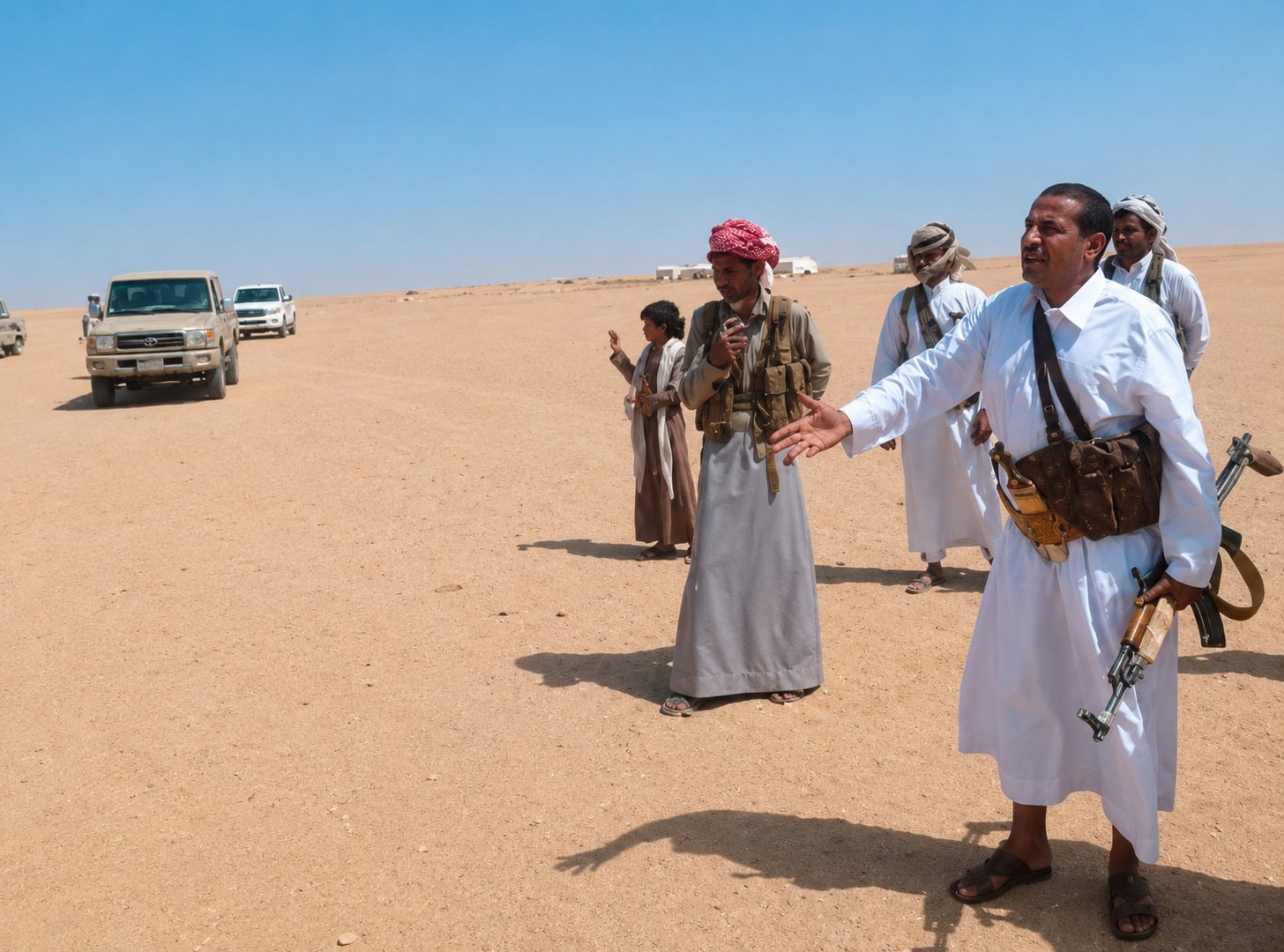
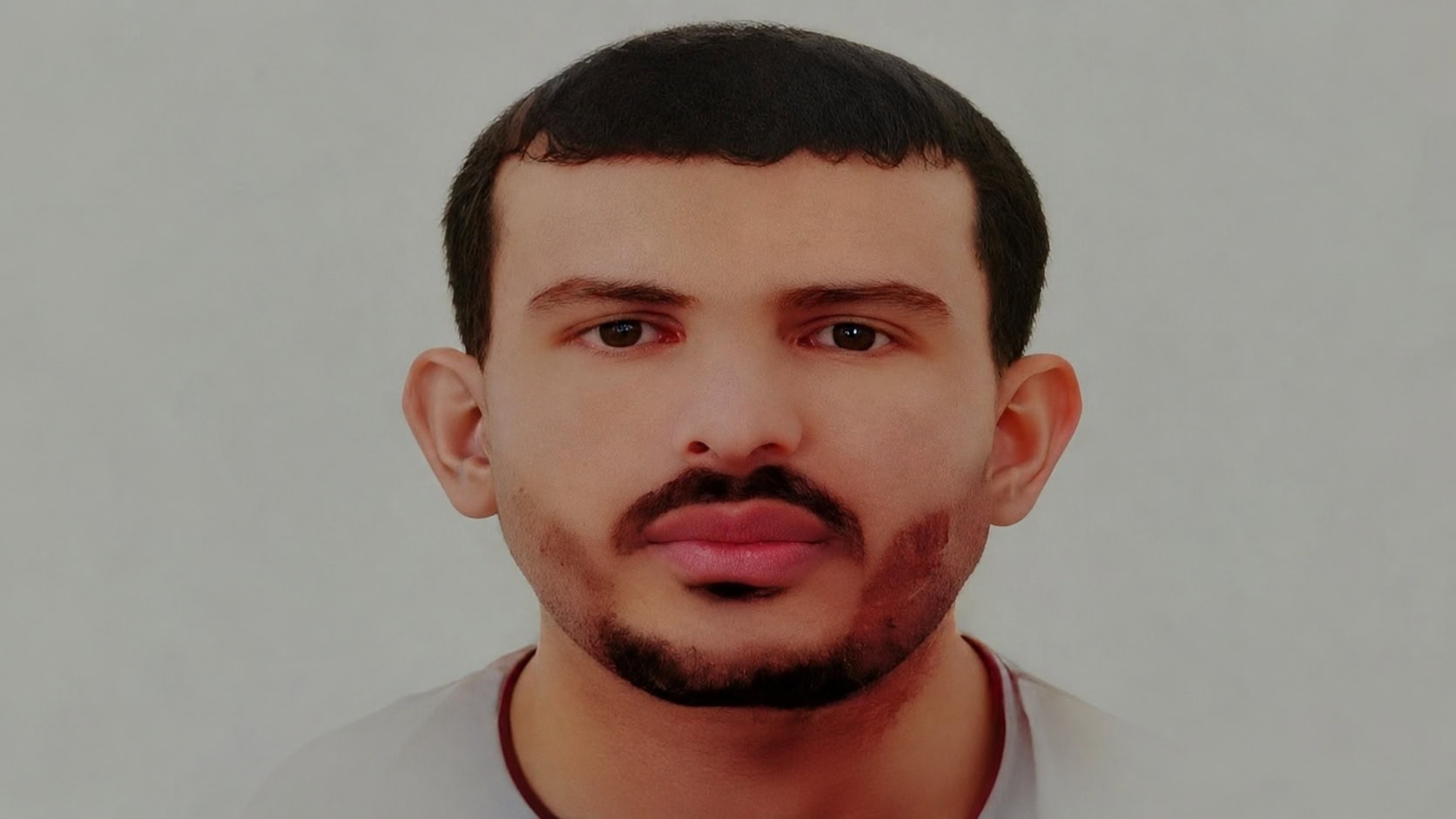
Sheikh Hamad bin Rashid Fadgham Al-Hazmi during his appearance on June 24, 2026. (Screenshot from a circulated video, enhanced using AI)
24-06-2026 at 6 PM Aden Time
Aden (South24 Center)
Tribal Sheikh Hamad bin Rashid Fadgham Al-Hazmi, a prominent figure from Yemen’s northern tribes, reignited controversy over the case of a woman known as “Mira Saddam Hussein” after appearing in a video on June 24, 2026, from Al-Rayyan, a government-controlled area east of Al-Jawf Governorate.
In the video, filmed during a tribal reception, Al-Hazmi accused the Houthis of detaining, torturing, and pressuring him to make statements that did not reflect his real position on the case. He said he had left behind properties and farms in Houthi-controlled areas, but refused to abandon what he described as the injustice committed against the woman who had sought his protection.
Al-Hazmi said the statements and interviews attributed to him while he was in Houthi custody had been made under pressure. He accused senior Houthi-linked figures, including Abu Ali Al-Hakim, of exerting pressure on him, and held arms dealer and former Saada Governor Fares Mana’a responsible for what he described as an “abduction”.
The dispute centers on a woman who identifies herself as “Mira Saddam Hussein Al-Majid” and claims to be a daughter of the late Iraqi President Saddam Hussein. She says that after the 2003 U.S.-led invasion of Iraq, she was sent to Yemen under the protection of former Yemeni President Ali Abdullah Saleh, who allegedly provided her with identity documents, property, and protection in Sana’a.
Her case became widely circulated after she accused Houthi-linked figures, particularly Fares Mana’a, of seizing a villa in the Hadda area of Sana’a, along with cars, jewelry, cash, and personal Iraqi documents. She maintains that the core issue is not only her identity but also the recovery of property she says was taken from her after the Houthis consolidated control over the capital and after Saleh’s killing in late 2017.
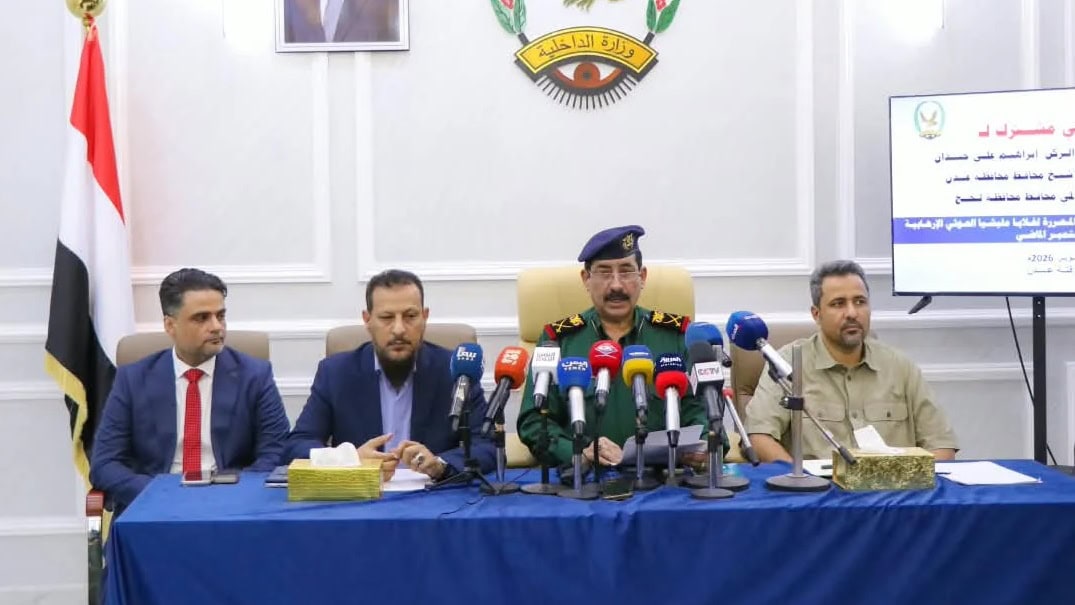
Houthi authorities reject her claims. In a statement issued on May 17, the Houthi-run Interior Ministry in Sana’a said the woman’s real name is Sumaya Ahmed Mohammed Issa Al-Zubayri, a Yemeni citizen from Sana’a whose family originates from Arhab district. The ministry said a DNA test conducted by its forensic team showed that Ahmed Al-Zubayri and Dawla Nasser Fareh Mazwad are her biological parents, with a claimed match of 99.99%.
The woman and her supporters have challenged the Houthi narrative, arguing that any DNA process conducted under Houthi authority cannot settle the dispute independently. She has repeatedly demanded a neutral DNA test to prove her lineage.
The legal side of the case dates back to earlier proceedings in Sana’a. In 2023, a Houthi-affiliated court convicted the woman on forgery charges related to documents carrying the name “Mira Saddam Hussein,” sentenced her to time already served, and ordered the confiscation and destruction of the seized documents. In April 2025, the Court of Appeal upheld the ruling but did not make a final determination on her paternity claim.
The case later moved from the courtroom into Yemen’s tribal arena. According to local reports, the woman sought the protection of Sheikh Al-Hazmi under tribal custom, reportedly cutting part of her hair as a symbolic plea for tribal support. Al-Hazmi and several tribal figures from Dahm, Bakil, and Khawlan then attempted to mediate the dispute with Fares Mana’a.
Those efforts failed after the mediators rejected an offer to provide the woman with another house instead of the villa she says belongs to her. Local sources said Al-Hazmi and other mediators later left Sana’a with the woman before being intercepted in the Al-Hatash area on the Sana’a–Al-Jawf road.
The incident triggered anger among tribes in Al-Jawf. Tribal gatherings, known locally as “matarh”, were set up in Al-Yatma area by members of Dahm and Bakil tribes to demand the release of Al-Hazmi and the woman, and to press for the restoration of her claimed property. Local reports said the tension eased after mediation efforts and tribal guarantees, but the dispute remained unresolved.
After his release and his appearance in the June 24 video from government-held territory, Al-Hazmi again defended the woman’s case and said the file had been distorted under Houthi pressure. His latest statements have revived public attention to a case that combines a disputed identity claim, alleged property seizure, tribal protection customs, and tensions between Houthi authorities and northern tribal networks.