SOUTH24 CENTER FOR NEWS & STUDIES
SOUTH24 CENTER FOR NEWS & STUDIES


Yemen News Agency (SABA)
Last updated on: 11-01-2026 at 8 PM Aden Time
Riyadh (South24 Center)
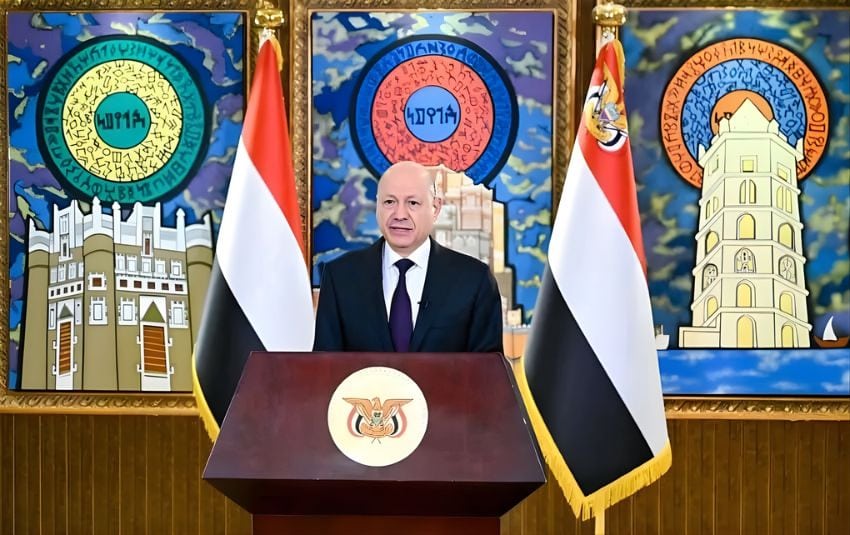
Yemeni Presidential Leadership Council (PLC) President Rashad Al-Alimi announced on Saturday, January 10, the establishment of a Supreme Military Committee under the leadership of the Kingdom of Saudi Arabia.
The committee will be responsible for preparing, equipping, and commanding all military forces and formations, a move Al-Alimi said is in preparation for what he described as the "upcoming phase" in case the Houthi group continues to reject peaceful solutions.
Al-Alimi stated that the committee will support and prepare forces for any future developments, citing what he described as the Houthis' continued refusal to engage in negotiations to end the crisis and restore state institutions.
He added that the PLC's message to the Houthis has been "clear since its formation," presenting two paths: pursuing peace or facing military confrontation, asserting that the Council remains committed to this approach in dealing with the crisis trajectory.
The announcement of the Supreme Military Committee comes amid rapid political developments and reports of new Saudi-led arrangements to reactivate the stalled political process in Yemen, in an attempt to secure a deal with the Houthis that would allow Riyadh an exit from the crisis.
The formation of the committee is widely seen as linked to understandings Saudi Arabia is seeking to reach with the Houthis as part of efforts to revive the political roadmap.
These efforts are supported by regional and international mediation, including the Sultanate of Oman and the United Nations, after the roadmap was frozen in October 2023 amid broader regional escalation.
The roadmap had previously faced reservations from political parties, most notably the Southern Transitional Council (STC), which has expressed its decisive opposition on several occasions to any settlements that lead to the legitimization of the Houthi group or grant it a share of the South's oil wealth revenues, particularly in Hadramout and Shabwa.
On Friday, January 9, the STC delegation in Riyadh announced the dissolution and dismantling of the Council, a move that sparked widespread anger among the public in South Yemen. On Saturday, tens of thousands of demonstrators gathered in Aden to reject the announcement.
The roadmap currently being discussed for revival traces back to understandings announced in December 2023 under UN auspices and with Saudi-Omani support, following months of undisclosed talks between Riyadh and the Houthi group in Sanaa and Muscat.
At the time, the roadmap aimed to stabilize the ceasefire in place since April 2022, ensure the payment of civil servant salaries, including those in Houthi-controlled areas, from oil and gas revenues, and open roads, as a prelude to launching a comprehensive political process leading to a final settlement of the conflict.
In December 2023, the UN Envoy to Yemen, Hans Grundberg, stated that the parties had reached a "set of commitments" with regional support, considering the roadmap a "real opportunity to transition from conflict management to a sustainable peace path."
However, he warned at the time that progress remained fragile and that any regional or internal escalation could undermine the entire path, which is precisely what happened following the outbreak of the war in Gaza and the escalation of Houthi attacks in the Red Sea, leading to the freezing of the roadmap's implementation.