SOUTH24 CENTER FOR NEWS & STUDIES
SOUTH24 CENTER FOR NEWS & STUDIES


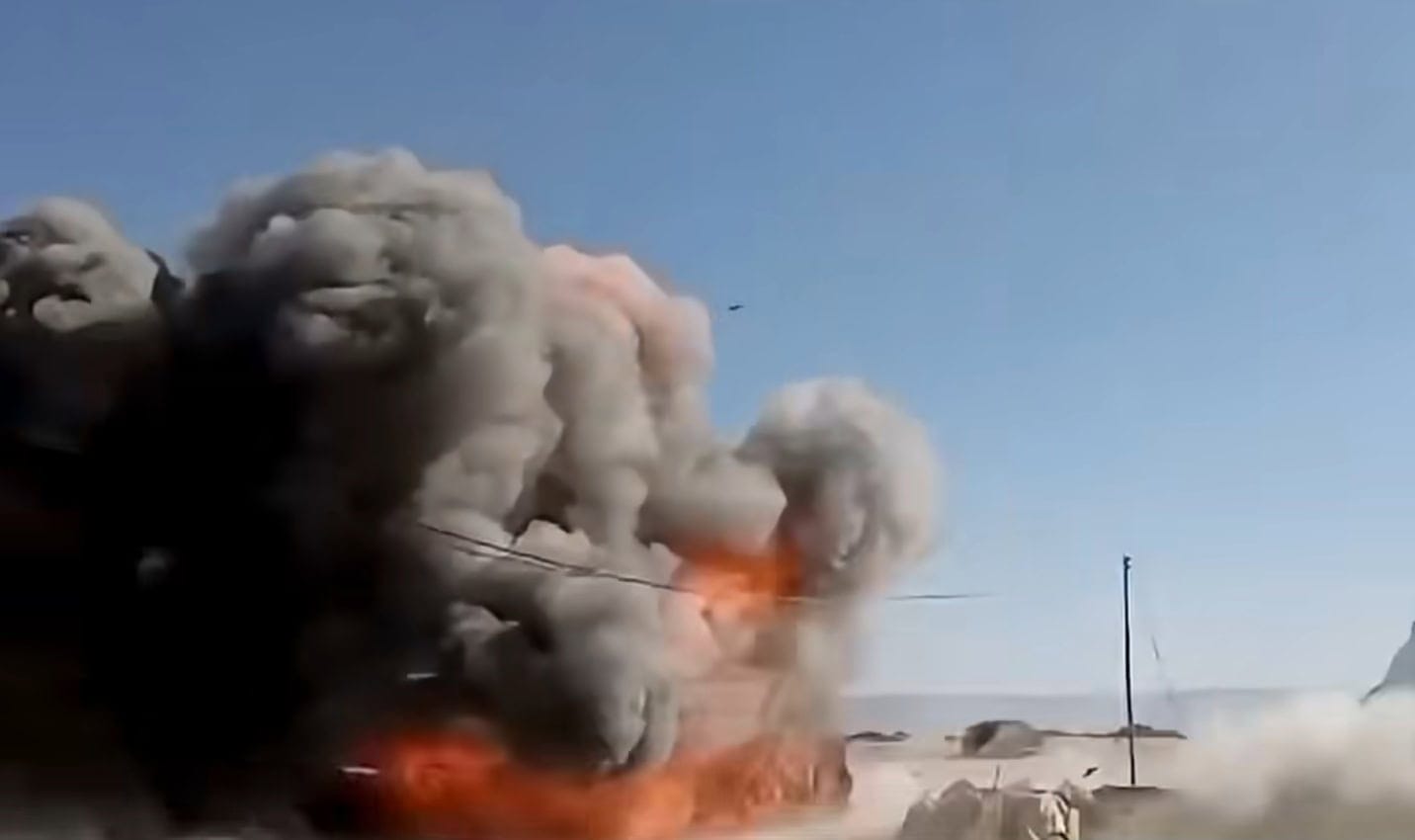
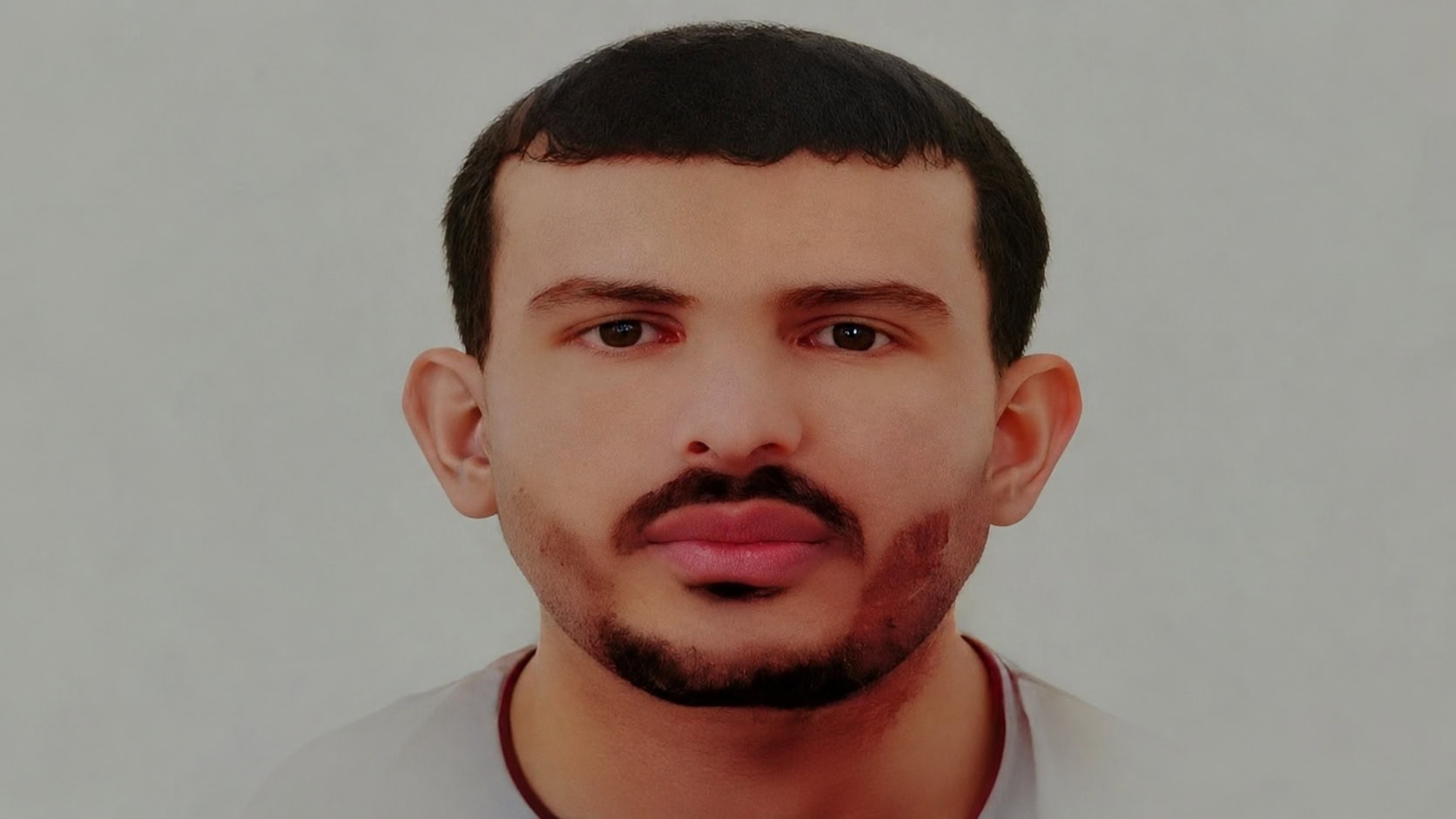
A cropped image taken from a video recorded by a member of the Southern Government forces shortly before he was killed, during a Saudi airstrike on Al-Khashaa camp on January 2, 2026
06-01-2026 at 6 PM Aden Time

South24 Center for News and Studies
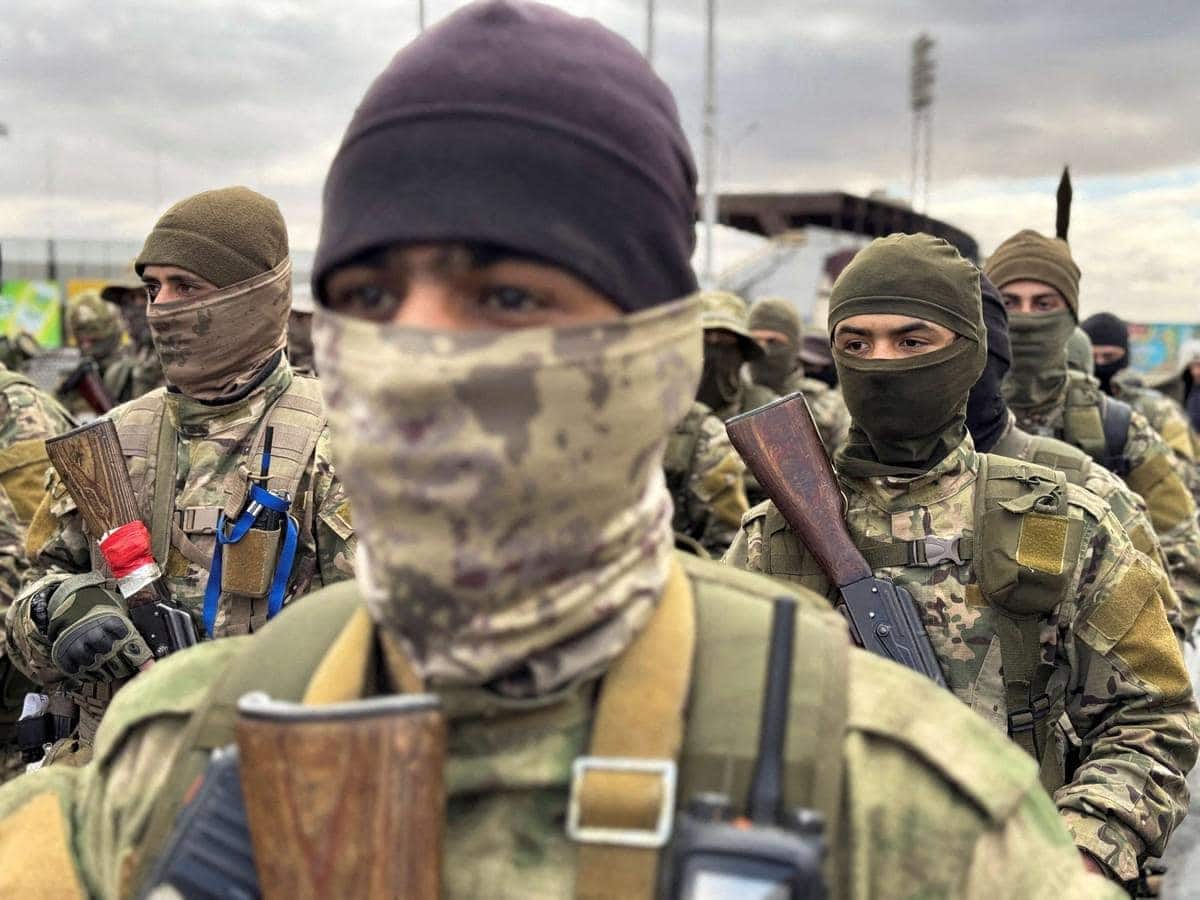
At the start of 2026, Hadramout moved to the forefront of political and military developments, as the governorate entered a new phase of escalation following a military incursion led by multiple northern formations. These forces included elements linked to the Muslim Brotherhood and operated with Saudi air support against the Southern Government Forces, which had established control in early December over the Hadramout Wadi and Desert as part of Operation “Promising Future.”
The operation, which aimed to restore security, disrupt arms-smuggling networks supplying the Houthis, curb oil smuggling, and dismantle structures linked to Al-Qaeda in the Arabian Peninsula (AQAP) and other extremist groups, marked at the time a significant security shift. It came after years in which these forces had entrenched their influence in the area, contributing to the obstruction of Yemen’s peace process.
Within this escalation, Saudi Arabia adopted a multi-layered approach combining military tools with symbolic timing. Operations were launched on a Friday in the Islamic month of Rajab, a date carrying strong religious significance for the religious factions involved in the fighting.
Despite coinciding with one of the sacred months during which combat is religiously prohibited, this constraint was bypassed through targeted religious mobilization. This was preceded by a form of doctrinal preparation, similar to what occurred during the 1994 war, through religious rulings issued by clerics and religious academic bodies inside Saudi Arabia. These rulings provided religious cover to reframe the battle in doctrinal terms that served Riyadh’s and the northern forces’ political and military objectives.
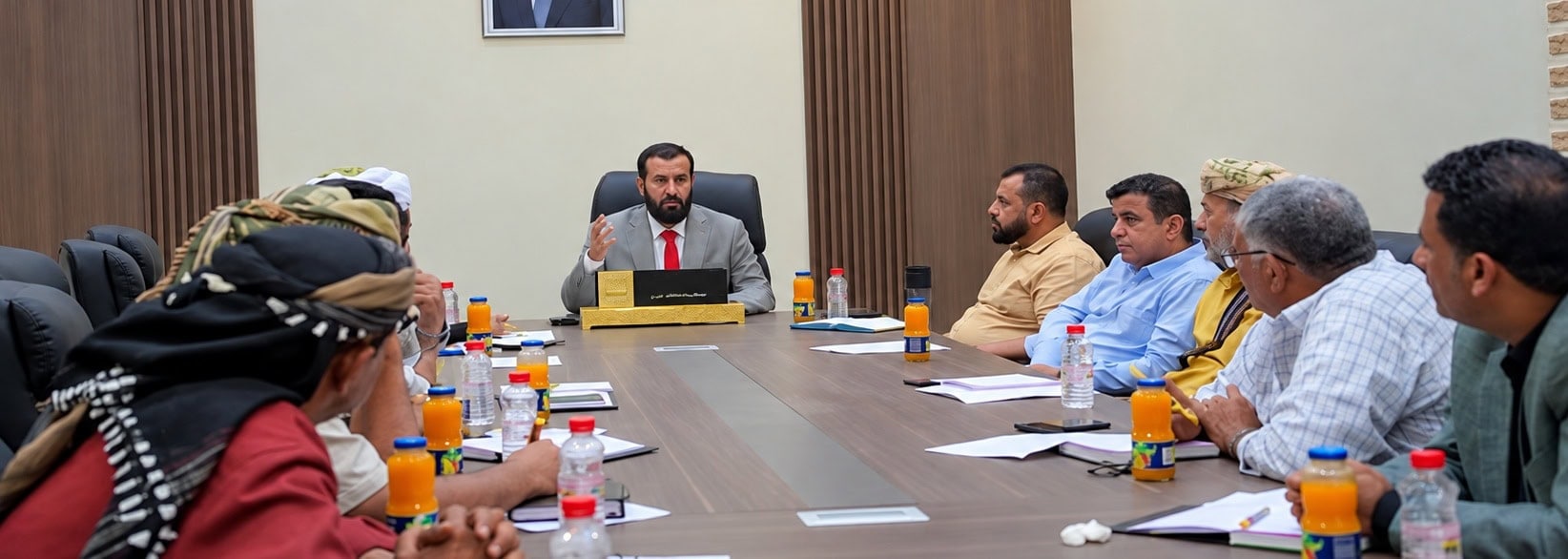
To localize the operations, the newly appointed governor of Hadramout, Salem Al-Khanbashi, was pushed to the forefront of the field scene and presented as the commander of the “Nation’s Shield” forces in the governorate. This was done despite his lack of a military background and despite the fact that these forces are not organized along regional lines. This unprecedented arrangement reflected a clear political dimension aimed at recasting the conflict as a “Hadrami-Southern” confrontation, rather than a clash led by northern forces under Saudi sponsorship against the South.
Although the operation was officially presented as a “peaceful” move, developments on the ground quickly contradicted this narrative. Seven Saudi airstrikes were carried out in the opening minutes, alongside the advance of ground forces, with the total number of strikes reaching approximately 300 by Sunday. This gap between declared rhetoric and actual military conduct was viewed by Southern leaders as a form of deliberate misrepresentation, particularly in efforts to market the operation internationally as non-escalatory.
In response to these developments, Southern condemnation escalated. On January 2, the Southern Transitional Council (STC) issued an unprecedentedly strong statement describing what was taking place as “Saudi aggression and a dangerous military war.” This language reflected a qualitative shift in the Council’s approach, moving away from the de-escalatory and dialogue-focused rhetoric it had adopted in previous weeks toward a far more confrontational stance, especially after civilian casualties were reported in the Hadramout Wadi. This shift points to an unprecedented level of tension in relations between the STC and Riyadh.
Two Announcements Redefining the Trajectory
On the same evening, a parallel political escalation emerged through a political and constitutional declaration delivered by Aidarous Al-Zubaidi, President of the STC and Vice President of the Presidential Leadership Council (PLC). In this announcement, he outlined the contours of a process to restore the “South Arabia State” specifying a clearly defined transitional phase and publicly articulated political and constitutional steps.
Although expectations among broad segments of the Southern public were higher, particularly amid open sit-ins and military escalation in Hadramout, the two announcements nonetheless represented an important symbolic gain. This was reflected in public celebrations across the South, which viewed the steps as calculated political progress rather than impulsive escalation.
By setting a two-year transitional period and calling for international sponsorship of an inclusive dialogue leading to a popular referendum on self-determination, the political declaration established a rational and balanced framework. It undercut rigid unity-driven rhetoric and presented a carefully considered political vision grounded in strategic patience. The approach reopened space for advancing the Southern cause while strengthening partnerships in counterterrorism efforts and the protection of international maritime corridors.
The two announcements also carried reassuring messages to the international community, reaffirming commitment to international conventions and to gradual, people-driven processes rather than imposed outcomes. This, in turn, enhances the legal legitimacy of any future solutions under international law. However, this openness was explicitly conditioned on the rejection of any dialogue track should the South or its forces come under attack.
The Call for Dialogue and the Timing Question
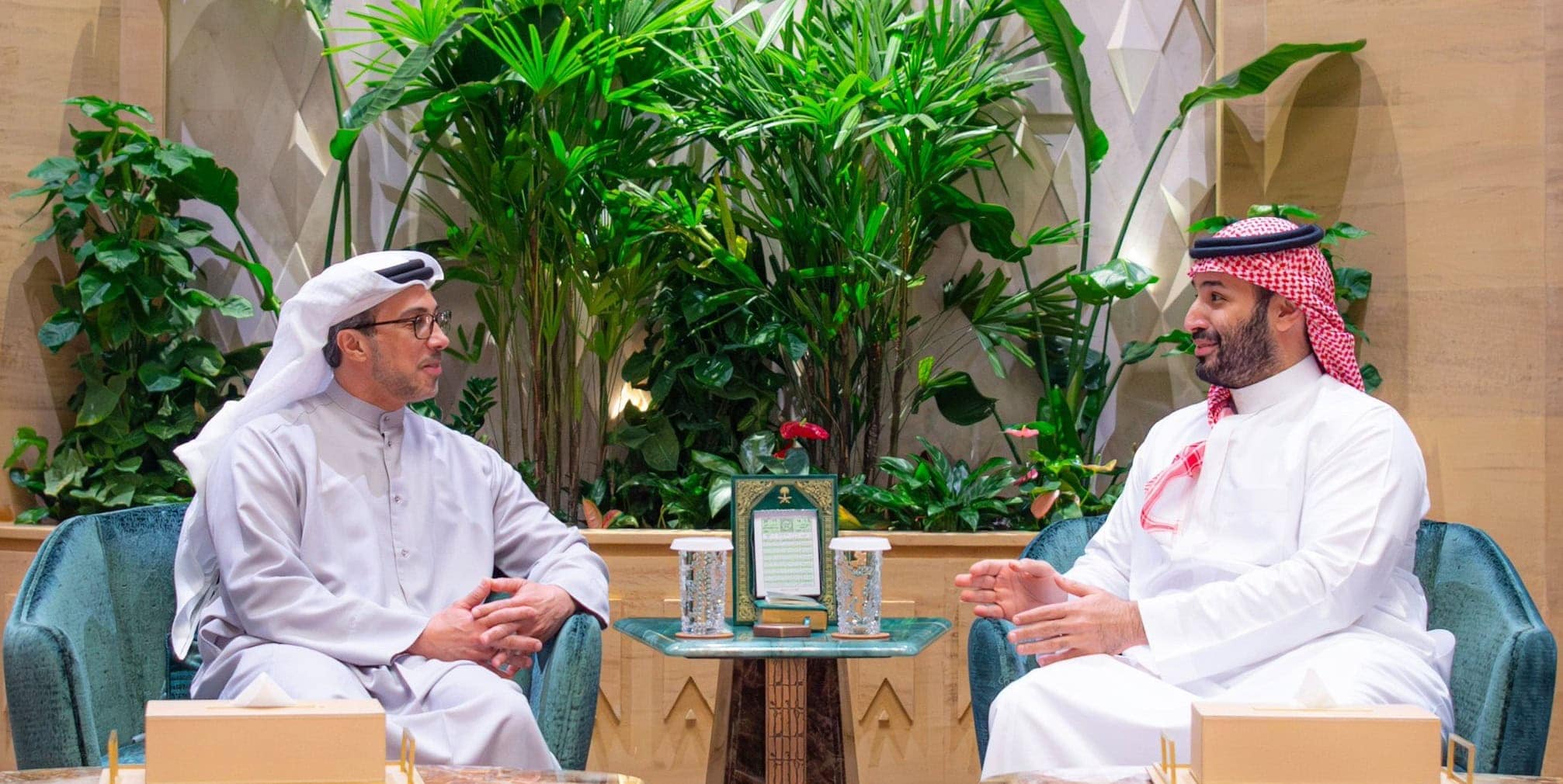
Hours after the announcements, Saudi Arabia issued a call for a Southern–Southern dialogue, reportedly in response to demands cited by PLC Chairman Rashad Al-Alimi from certain Southern actors. While no clear official position was announced by Riyadh or the government regarding the STC’s declarations, the timing of the call suggests an attempt to contain the fallout of the Council’s moves and to reconfigure the Southern political landscape in line with a Saudi-managed framework that aligns with forces opposed to the STC.
In this context, the Secretary-General of the Arab League welcomed the initiative, and several Arab states expressed support, including Egypt, which has repeatedly stated that it maintains communication with all parties to reduce escalation. Although the invitation included the STC, it appeared in part to be an effort to distribute political responsibility for any potential outcomes and to reengineer balances within the PLC, echoing the Riyadh consultations of 2022.
Nevertheless, the STC welcomed the call, viewing it as consistent with its dialogue-oriented approach, a position that had already been echoed by several Southern leaders, including the governor of Shabwa.
An Open Scene with Dangerous Possibilities
These developments were preceded by the withdrawal of Southern forces from key positions in the Hadramout Wadi and Desert and in Al-Mahra under intense Saudi air bombardment. These areas were handed over to “Nation’s Shield” (Deraa Al-Watan) forces, some Southern, others aligned with Saudi-backed northern religious factions.
The STC viewed this move as a lower-cost option to avoid further escalation and civilian casualties, particularly given the intensity of Saudi airstrikes, Hadramout’s exposed geography, and the UAE’s sudden announcement of its withdrawal from Yemen’s security and military landscape, including counterterrorism efforts.
It is important to note that Riyadh has accelerated efforts to push Yemeni government forces toward signing an agreement with the Houthis, a priority for Riyadh in the current phase. However, the STC’s steps complicated both the military and political landscape for Saudi Arabia, which has pursued unilateral rapprochement with the Houthis. The signing of the so-called “Roadmap” had been scheduled for late 2023, before the outbreak of the Gaza war temporarily froze the process.
The situation has grown more complex due to the exclusion of key political forces within the internationally recognized government from any knowledge of the Roadmap’s contents, which Saudi Arabia and Oman are negotiating directly with the Houthis under UN auspices. This opacity prompted the STC to express clear reservations, culminating in a renewed call last November for a new, more realistic political process, based on its assessment that the UN Roadmap no longer aligns with realities on the ground.
Ultimately, ignoring field realities, sidelining Southern popular demands, and driving the situation toward escalation led by northern forces carries serious risks for regional security and stability, particularly maritime security in the Arabian Sea, the Gulf of Aden, and the Red Sea.
These risks are heightened by the handover of strategic areas to forces linked to groups designated as terrorist organizations, the dismantling of counterterrorism efforts in Hadramout, and the looting of thousands of military and technical assets by fighters from Marib and Al-Jawf, some of whom have ties to AQAP.
Despite the absence of clear logical or moral justifications for Saudi escalation against Southern Government Forces in Hadramout, developments over the past week point to a Saudi drive to impose greater dominance over the Yemeni file in general, and over Hadramout and Al-Mahra in particular.
This has been pursued by exploiting and reshaping local contradictions to serve the Kingdom’s regional geopolitical ambitions. Yet this trajectory runs up against a long-standing administrative and security legacy led by what is known as the “Special Committee,” which has demonstrated its limited capacity to produce a stable, sustainable model or to provide credible indicators justifying continued reliance on Saudi approaches toward the South.
Accordingly, there is an urgent need for Southern national forces to strengthen internal dialogue and formulate a consensual approach that safeguards Southern interests and territory, free from external dictates. This effort should draw lessons from repeated failures, most recently the events unfolding in Hadramout, scenes that will remain etched in the collective memory, while prioritizing the security of Southern geography and its maritime surroundings as a strategic imperative. Such stability can only be achieved through reinforcing and consolidating Southern security and military institutions under a unified national identity.