مركز سوث24 للأخبار والدراسات
مركز سوث24 للأخبار والدراسات


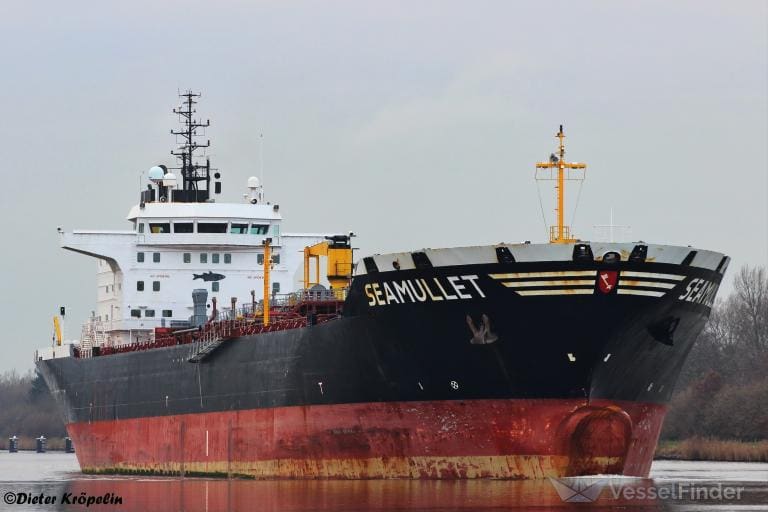
The oil products tanker SIBU 1, then sailing under the name SEAMULLEX, in the Kiel Canal, Germany, December 15, 2018. (Dieter Kröpellin/VesselFinder)
20-08-2026 الساعة 10 مساءً بتوقيت عدن
South24 Center (Aden)
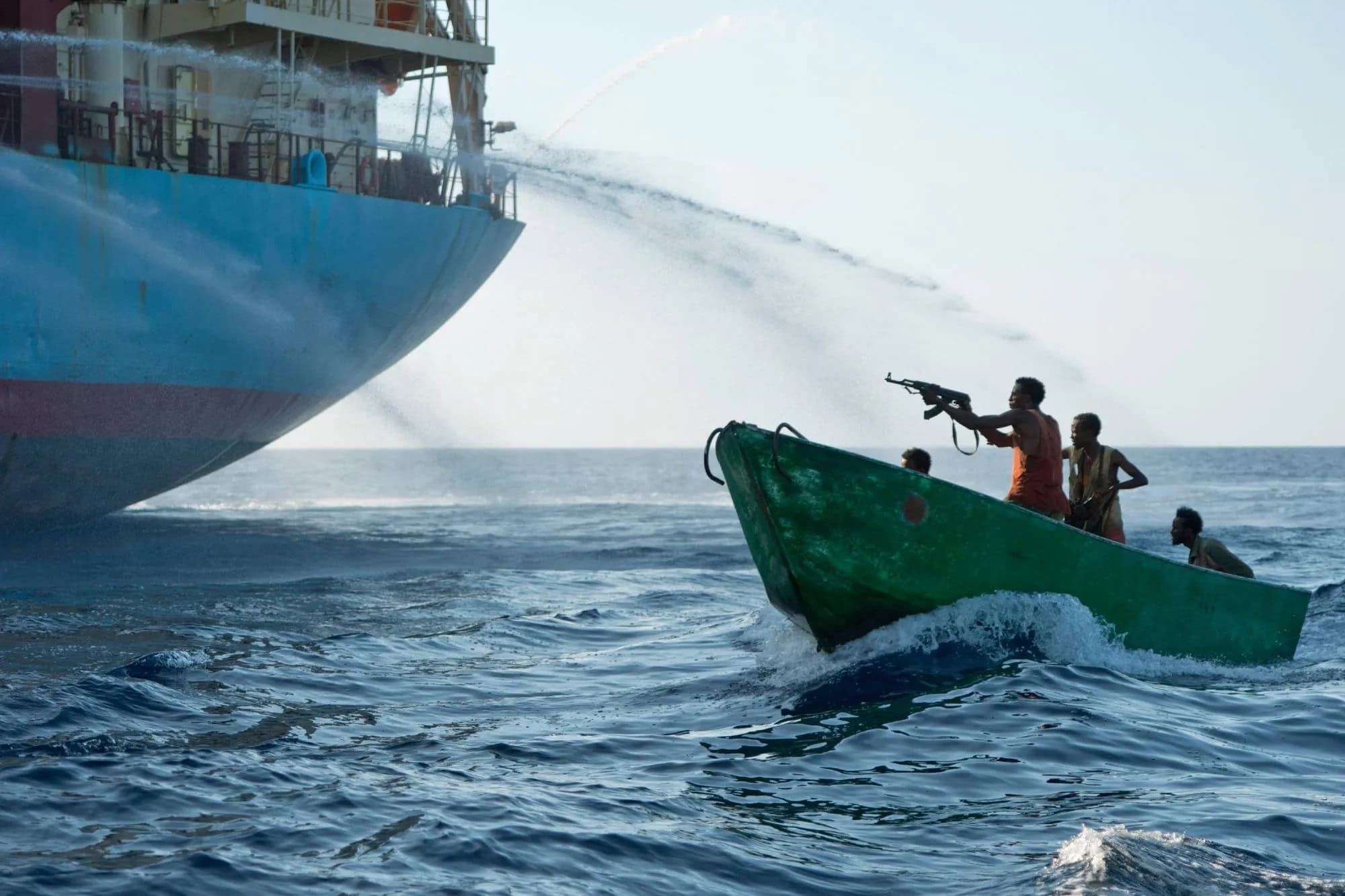
Six armed men seized control of a tanker in the Gulf of Aden on Thursday (August 20), about 136 nautical miles east of Mukalla in Hadramout Governorate, and diverted the vessel toward Somalia, according to the United Kingdom Maritime Trade Operations (UKMTO).
UKMTO said the westbound tanker initially broadcast a distress call over VHF Channel 16 after reporting that an unauthorized vessel was approaching. It later confirmed that six armed men had boarded the tanker, taken control of it, and changed its course toward Somalia. The agency said authorities were investigating and advised vessels operating in the area to exercise caution and report suspicious activity.
Maritime security sources and shipping intelligence services identified the vessel as the SIBU 1 (IMO 9204776), a 32,238-deadweight-ton product tanker built in 2001 and previously known as SEAMULL. Lloyd’s List reported that its Automatic Identification System (AIS) broadcast a distress message reading “PIRATE ONBOARD HELP” before the vessel altered course. Tracking data cited by maritime outlets showed that the tanker had listed Port Sudan as its destination and entered the Somalia High Risk Area on August 19.
No official information had been released by the time of publication about the number or nationality of crew members, their condition, or the cargo currently aboard the tanker. UKMTO has also not publicly identified the attackers or formally attributed the incident to Somali pirates.
The vessel, however, has a notable sanctions history. The US Treasury Department’s Office of Foreign Assets Control (OFAC) designated the same tanker, under the name SEAMULL, in December 2025 as part of sanctions targeting what Washington described as Iran’s sanctions-evading “shadow fleet”.
The US Treasury said SEAMULL was managed at the time by UAE-based Qatrat Alnada Almasi Ship Management L.L.C., which was also designated under sanctions related to Iran’s petroleum sector. According to Treasury, SEAMULL and other vessels managed by the company had transported Iranian petroleum products, including naphtha and gasoil, on multiple occasions. Treasury also said the vessels had made port calls at Houthi-controlled ports in Yemen. There is no public confirmation that the tanker was carrying Iranian petroleum or any other specific cargo at the time of Thursday’s hijacking.
Thursday’s incident comes amid a sharp resurgence in piracy around Somalia and the Gulf of Aden. Just three days earlier, eight armed men seized the Cameroon-flagged cargo vessel LUTUF off the Somali coast and took control of the ship. A Joint Maritime Information Center (JMIC) advisory subsequently listed five merchant vessels as being held in the Somali Coast and Somali Basin region: HONOUR 25, SWARD, EUREKA, ASANA, and LUTUF, before the seizure of SIBU 1.
The pattern has increasingly extended toward waters off South Yemen. On July 17, the tanker ASANA was hijacked roughly 65 nautical miles south of Mukalla. Maritime security assessments said suspected Somali pirates were behind that incident, while Yemeni Coast Guard authorities separately described the attackers as Somali pirates. The vessel was subsequently taken across the Gulf of Aden and held off Caluula in Somalia’s Puntland region.
Maritime security assessments have continued to rate piracy in the Somali Coast and Somali Basin as a moderate threat despite southwest monsoon conditions that generally restrict long-range operations by small pirate craft. Security firm Ambrey said piracy activity had increased significantly during 2026, with pirate groups retaining the ability to launch aggressive approaches and attacks in the Gulf of Aden even during the monsoon season.
The renewed piracy threat is unfolding alongside separate security risks to commercial shipping caused by regional military escalation and Houthi attacks and threats in the Red Sea and Bab al-Mandeb. Maritime authorities have cautioned, however, against conflating piracy incidents in the Gulf of Aden with Houthi operations without evidence linking individual attacks.
The renewed piracy threat is unfolding alongside separate security risks to commercial shipping caused by regional military escalation and Houthi attacks and threats in the Red Sea and Bab al-Mandeb. Maritime authorities have cautioned, however, against conflating piracy incidents in the Gulf of Aden with Houthi operations without evidence linking individual attacks.



قبل شهرين
قبل 1 شهر

قبل شهرين