مركز سوث24 للأخبار والدراسات
مركز سوث24 للأخبار والدراسات


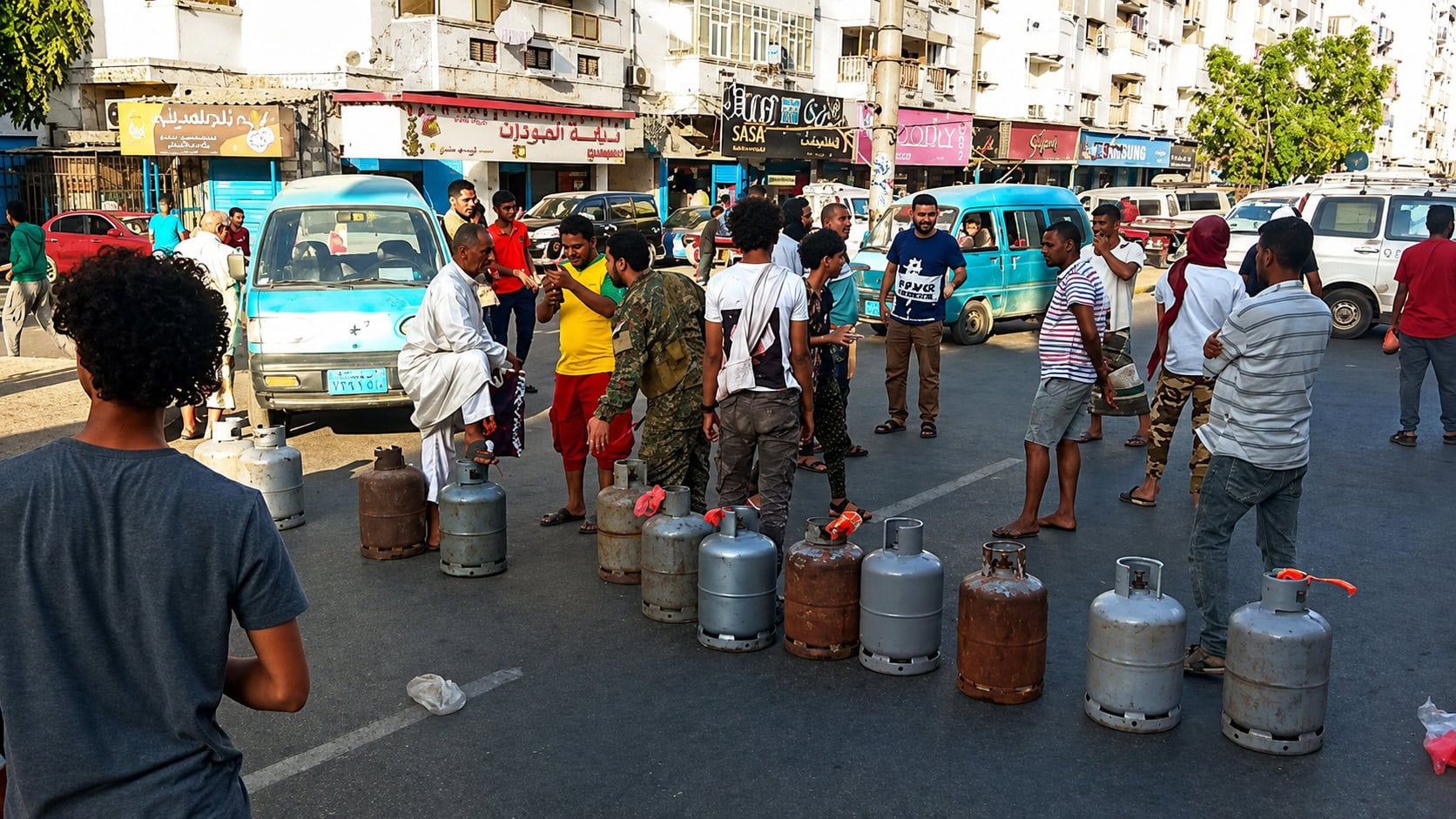
A queue for domestic gas in Aden (illustrative archive photo)
18-08-2026 الساعة 7 مساءً بتوقيت عدن
South24 Center (Aden)
The domestic gas crisis continues in the capital Aden, Hadramout, Abyan, Lahj, and other governorates in South Yemen, amid long queues at filling stations and disruptions to public transport, despite the Yemeni Gas Company announcing that production at the Safer facilities in Marib has begun to recover.
The impact of the crisis has been particularly evident in Aden, where gas shortages since the beginning of August have disrupted public transportation. A number of bus drivers have been forced to spend hours searching for gas or travel to areas near the border with Taiz Governorate to refuel, reducing the number of vehicles operating between the city’s districts.
A large segment of Aden’s public transport sector relies on gas as a cheaper alternative to gasoline, meaning that supply shortages have had a direct impact on residents’ daily mobility.
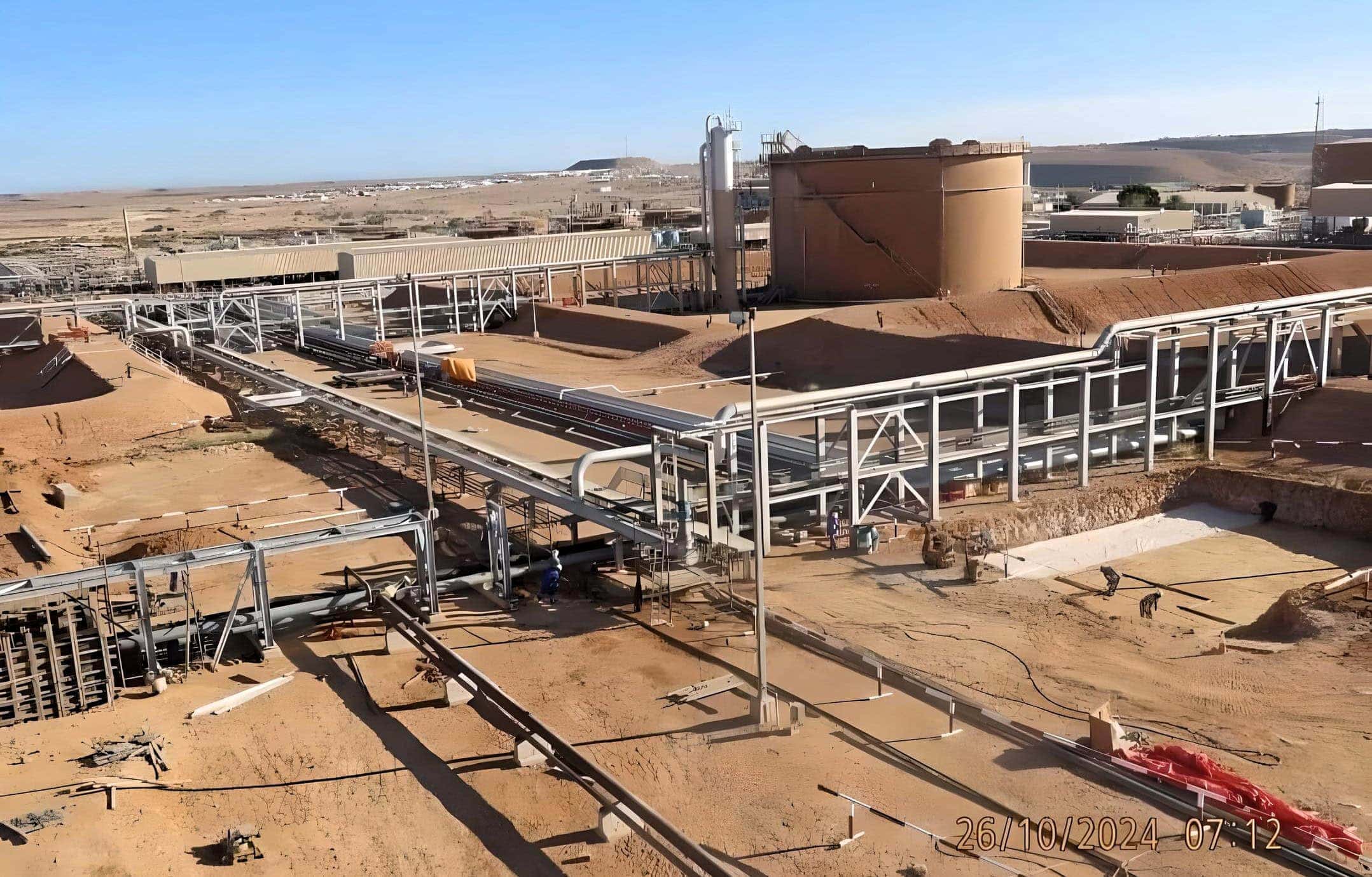
On August 16, the Yemeni Gas Company announced the completion of maintenance work at the Safer gas production facilities, which had begun on June 26, saying that production had started to increase gradually.
The company attributed the latest crisis to reduced production during the maintenance period, along with repeated roadblocks between governorates that prevented gas tankers from reaching their destinations.
Mohsen Bin Wahit, Executive Director of the Yemeni Gas Company, said a joint operations room comprising the company, the Ministries of Interior and Defense, and the State Security Service is working to secure gas supply routes.
The operations room also called on local authorities to monitor the arrival and unloading of gas tankers, enforce official prices, and tighten oversight to prevent supplies from being diverted to the black market.
In Hadramout, Presidential Leadership Council member and governor Salem Ahmed Al-Khanbashi discussed the supply crisis on August 16 with Ezz Al-Din Al-Kassadi, head of the Yemeni Gas Company’s branch on the Hadramout Coast.
Local officials attributed the decline in available quantities to repeated tribal roadblocks and maintenance work at Safer, saying additional gas tankers had been allocated to the governorate to help ease the shortage.
The following day, Al-Khanbashi approved a new tariff for gas supplied to vehicles and large consumers in Hadramout, setting the price at 450 Yemeni rials per liter, equivalent to 9,000 rials for every 20 liters. Local authorities said the measure was intended to regulate supply and distribution amid the continuing crisis.
In Abyan, Governor Mukhtar Al-Rabbash said the gas crisis was not limited to the governorate but was affecting several others, adding that the local authority had raised the issue with the Presidential Leadership Council, the government, and other relevant authorities.
He acknowledged that the local authority was unable to resolve the crisis on its own, while pointing to ongoing efforts to combat manipulation and black-market sales.
Supply shortages have also persisted in Lahj. On August 18, the governorate’s gas supervisor, Ghassan Haider, said Lahj was still receiving less than its allocated share and called for the restoration of quantities that he said had been reduced by 50%.
The crisis highlights the continuing fragility of the gas supply chain to the southern governorates, several of which depend to varying degrees on supplies transported by road from Marib.
The gas crisis comes amid broader service and economic pressures across the southern governorates, including electricity shortages, rising prices, and declining purchasing power.
الكلمات المفتاحية:



قبل شهرين
قبل 1 شهر

قبل شهرين