مركز سوث24 للأخبار والدراسات
مركز سوث24 للأخبار والدراسات


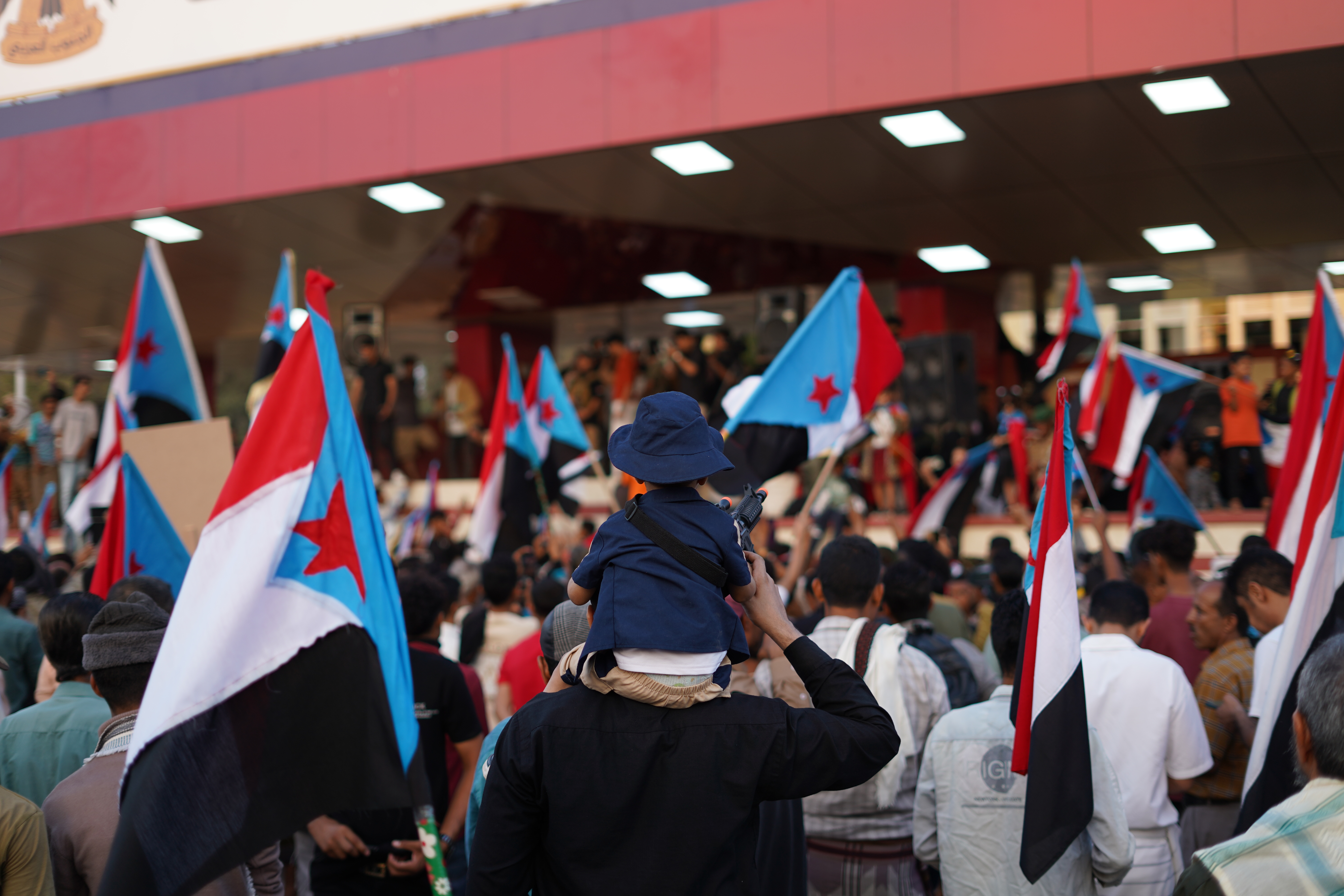
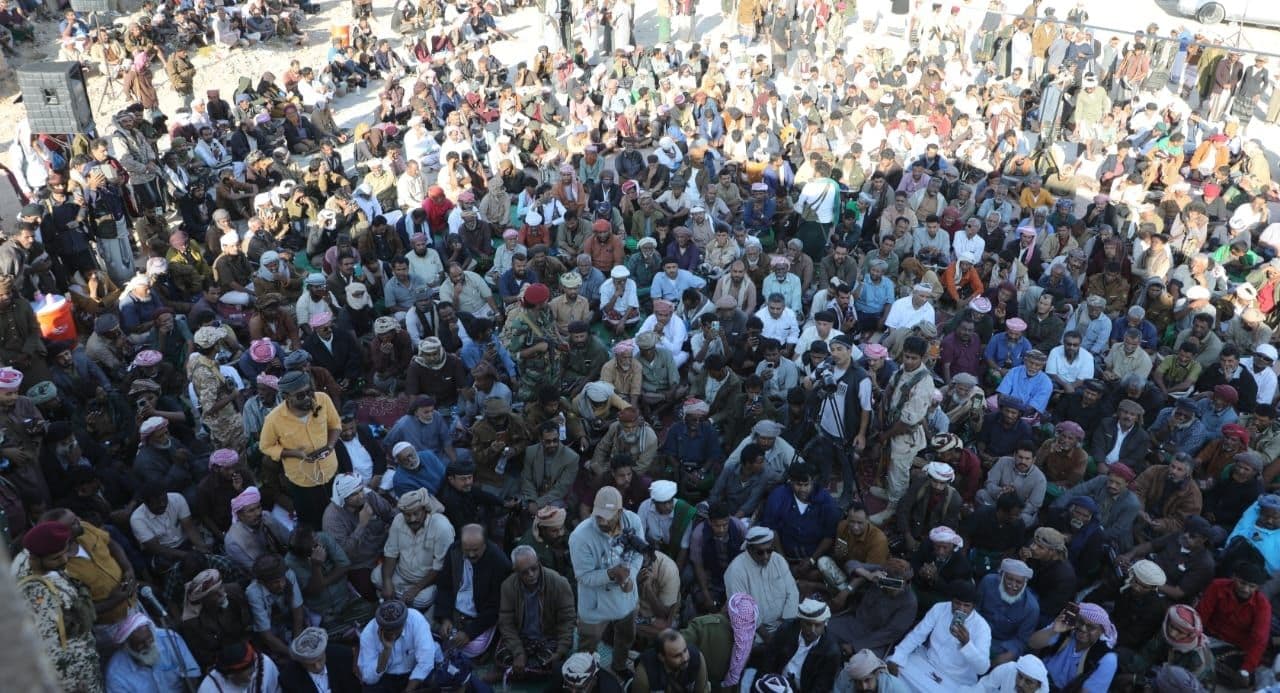
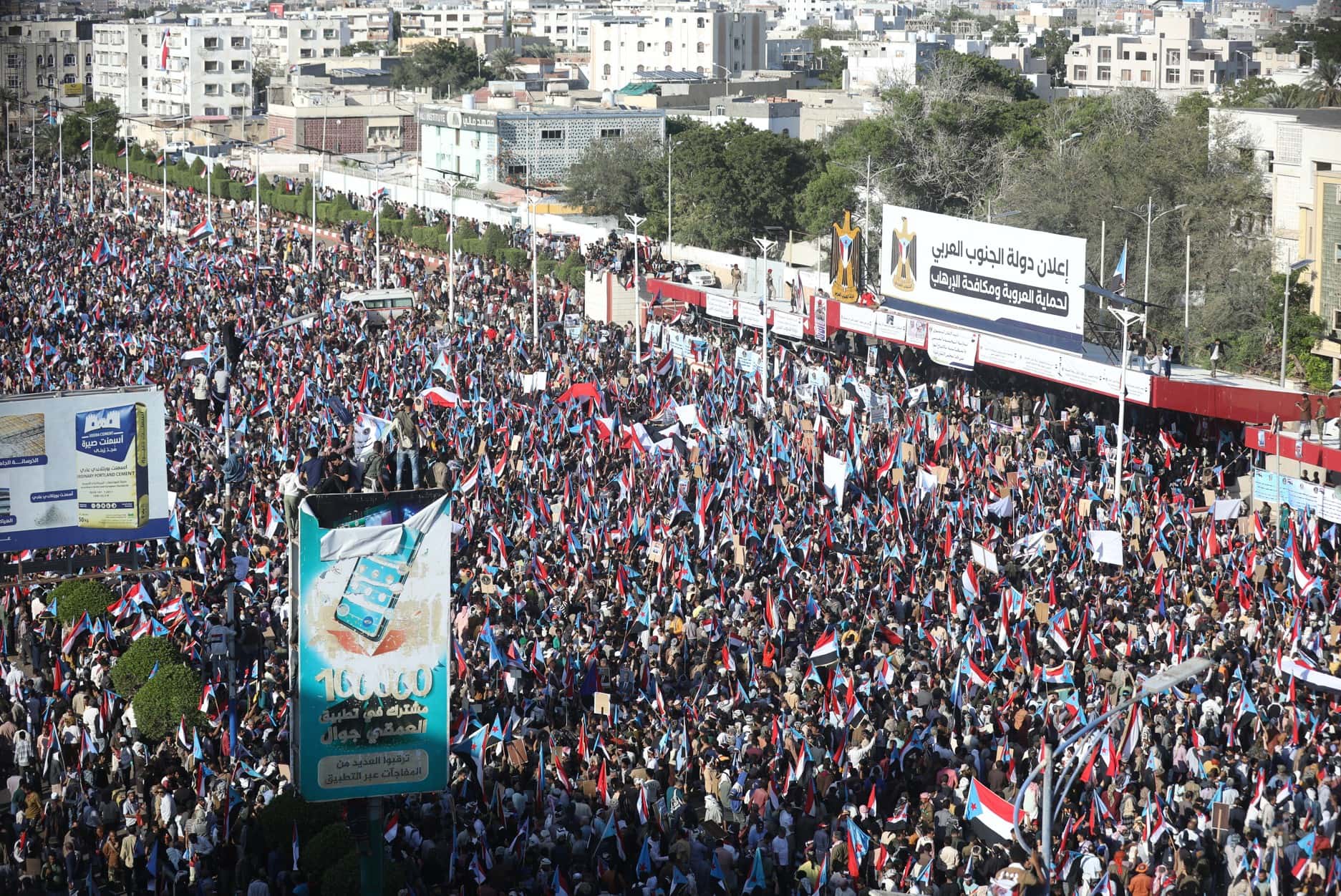
Southern Mass Demonstration at Al-Aroudh Square in Aden, January 7, 2025 (South24 Center)
آخر تحديث في: 17-01-2026 الساعة 8 مساءً بتوقيت عدن
“As regional and international pressure mounts to redesign Yemen’s peace framework, the South issue is more prominent than ever.”Abdullah Al-Shadli (South24 Center)
As the United Nations intensifies efforts to relaunch the Yemen peace process and reduce military escalation, a parallel political trajectory is rapidly unfolding in South Yemen, signaling a fundamental shift in the South Issue -- from a deferred file to a central equation in any future stability framework.
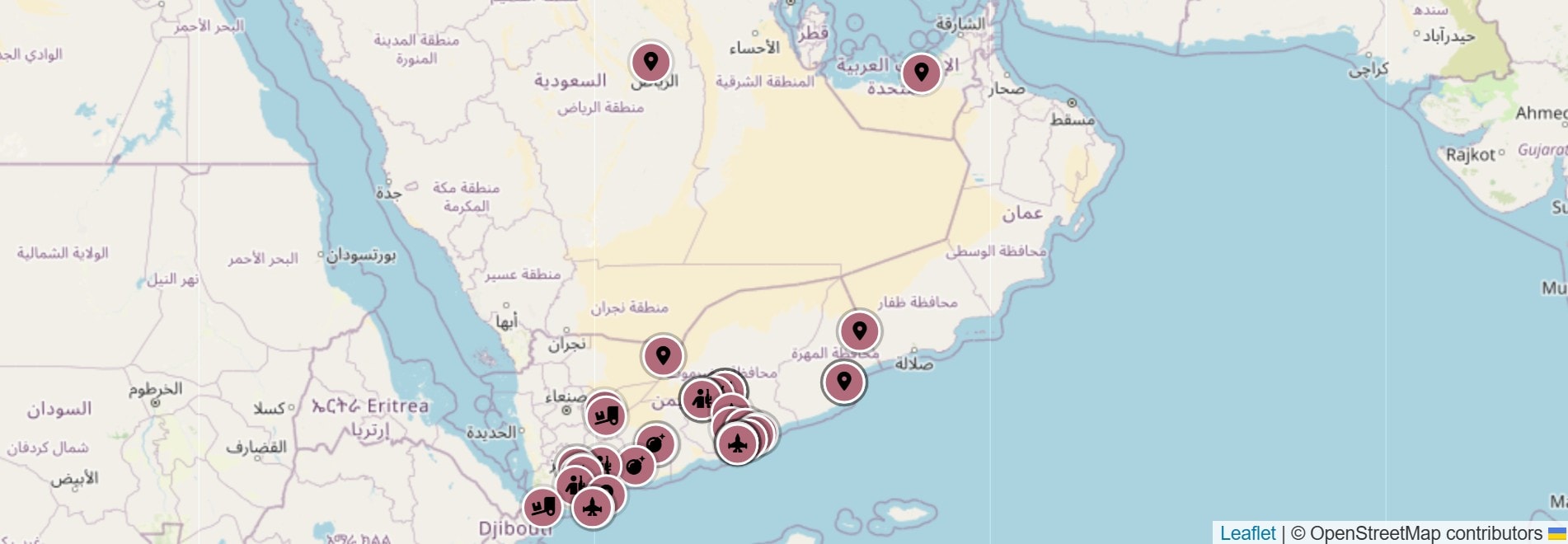
Escalating popular mobilization across the South cities, growing demands for the restoration of the South State, and recent military and security developments in Hadramout and Al-Mahra all point to a reality that international approaches can no longer afford to overlook sidelining Southern aspirations is no longer a viable option for any sustainable political settlement.
This complex landscape places UN-led efforts under a serious test. While calls for de-escalation and inclusive dialogue persist, developments on the ground suggest an ongoing reconfiguration of power dynamics. Observers increasingly warn that managing the crisis through generalized diplomatic statements or temporary arrangements may not lead to lasting peace, but instead risk reproducing conflict in more complex and volatile forms.
The Current Landscape
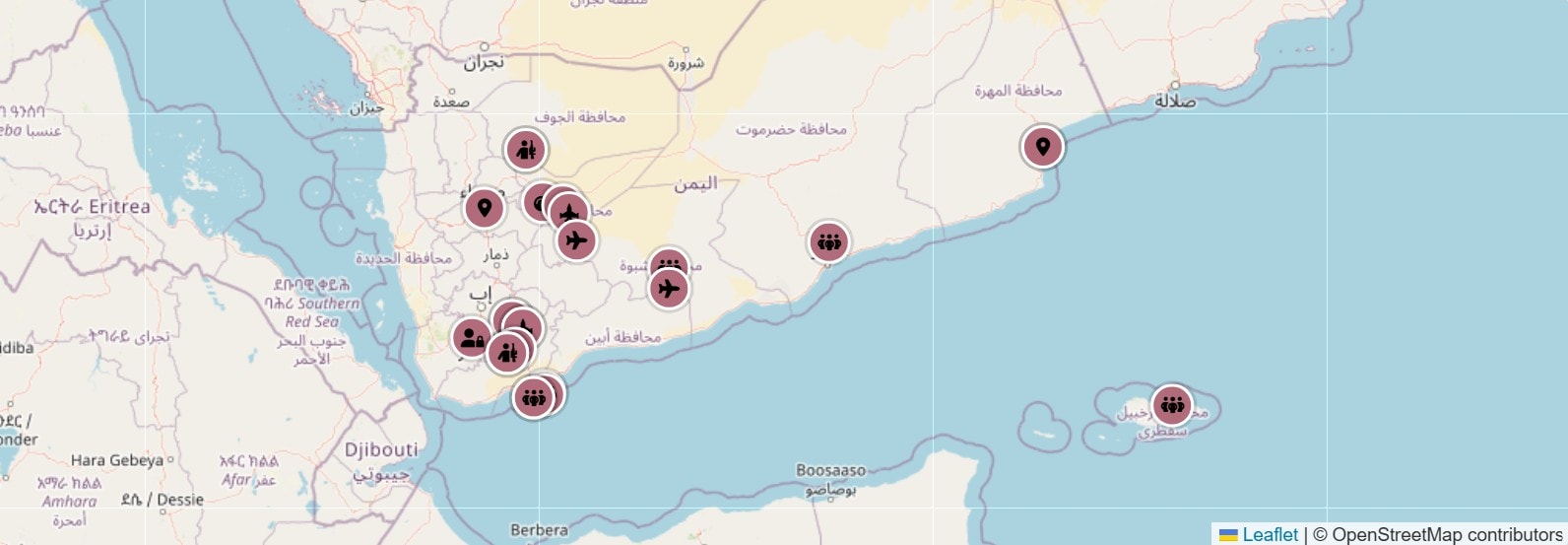
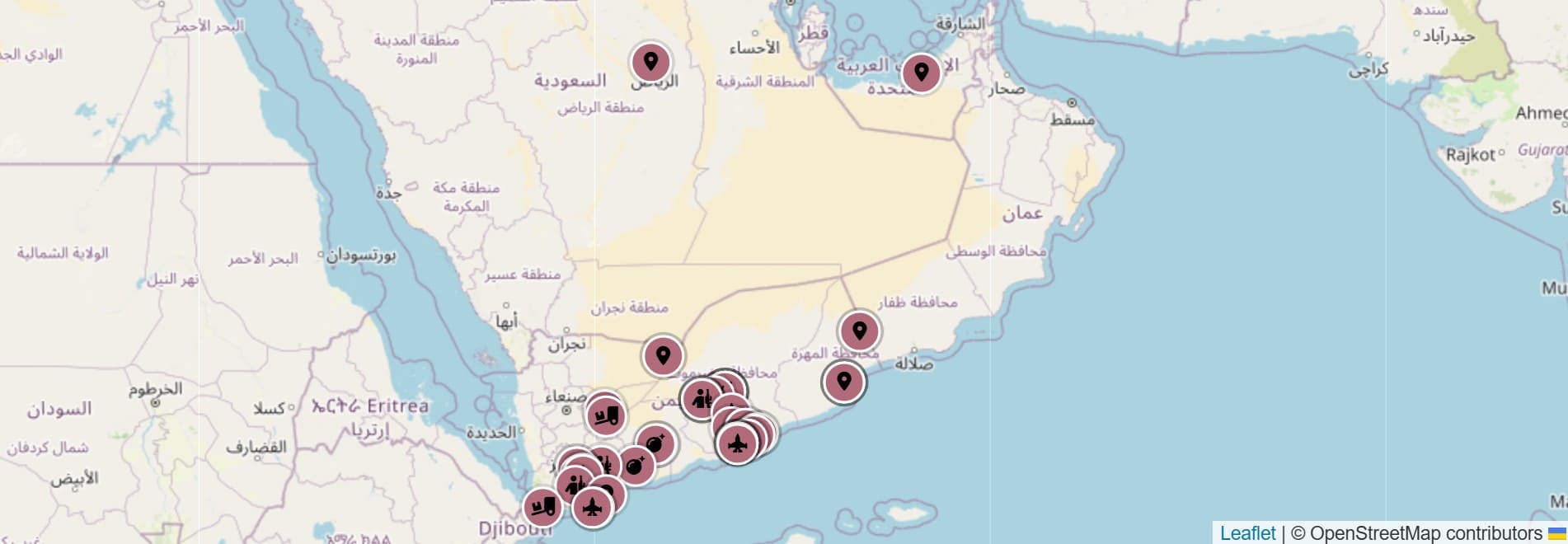
In recent weeks, the popular Southern movement has evolved beyond episodic protests into a fully articulated political phenomenon, unfolding in parallel with unprecedented military developments. Since early December, major cities across South Yemen have witnessed large-scale open sit-ins and sustained mass demonstrations, stretching from Aden to Hadramout, Al-Mahra, and Socotra, alongside coordinated activities in foreign capitals.
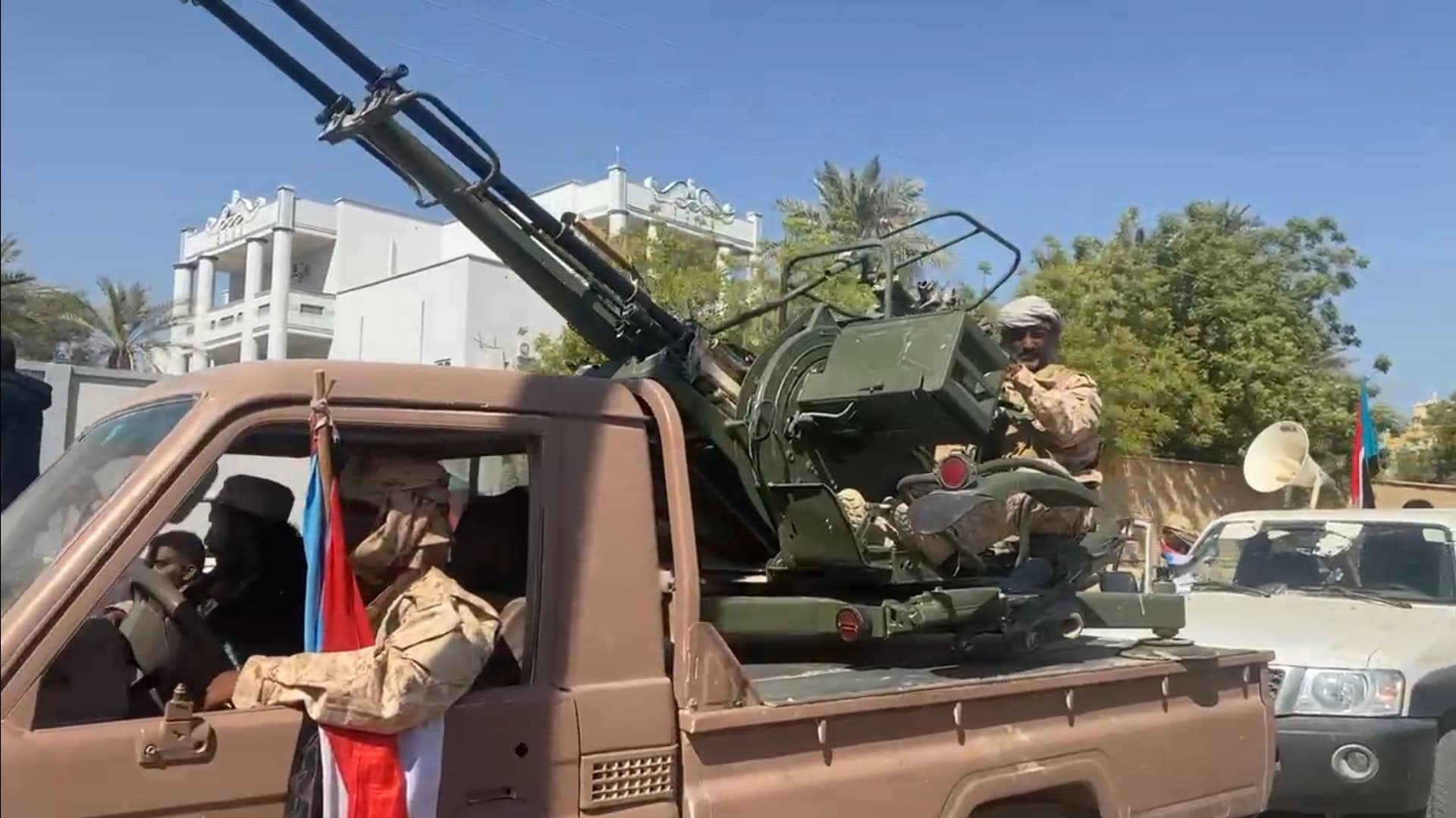
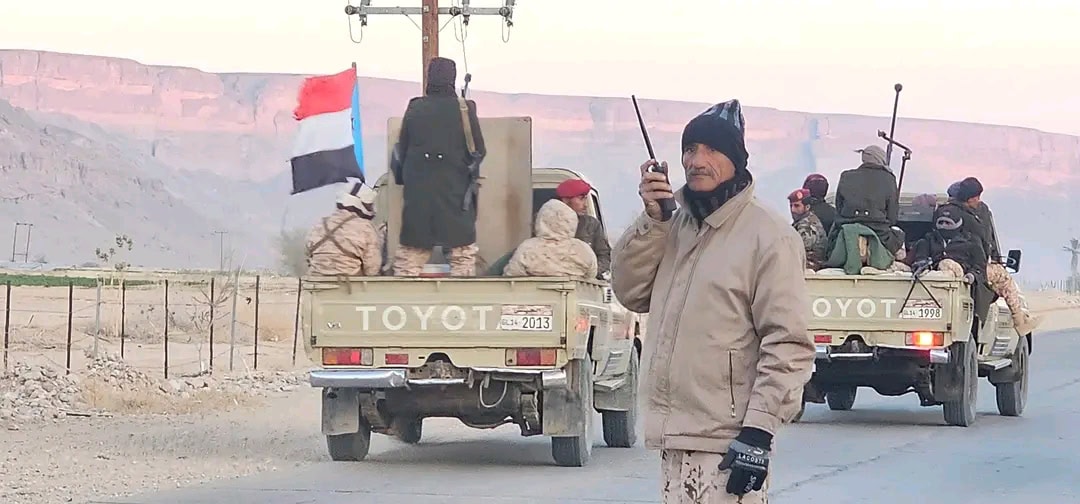
These developments coincided with a marked escalation in the political and military activity of the Southern Transitional Council (STC), founded in 2017 as the political successor to the Southern Movement (Hirak). Widespread popular demonstrations emphasized broad-based solidarity with the Southern Armed Forces following the launch of Operation “Promising Future” in Hadramout and Al-Mahra, while the public demands increasingly called for the formal restoration of the South Arabia State.
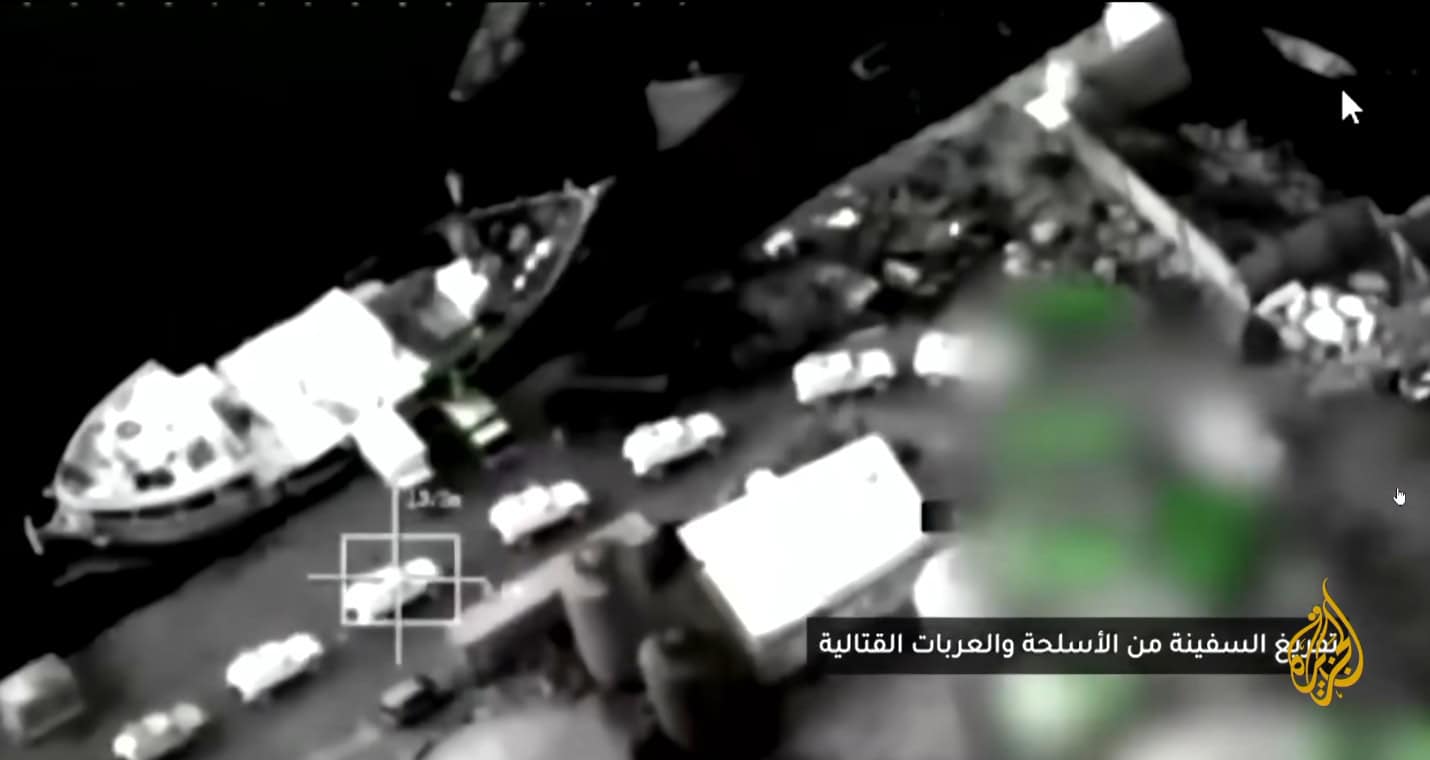
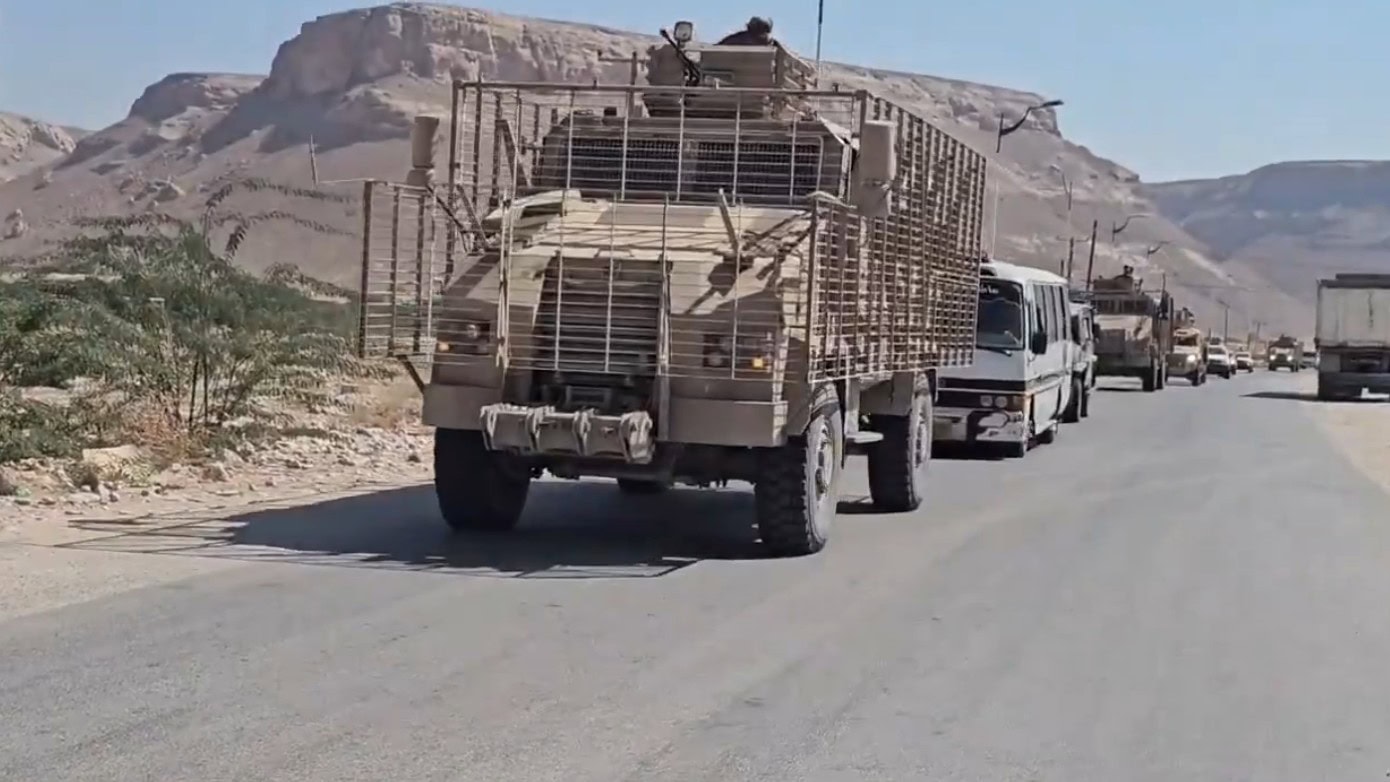
The military trajectory, however, took a sharp reversal at the beginning of 2026, as Southern forces withdrew from Hadramout and Al-Mahra under Saudi airstrikes. This culminated in a political retreat by the STC, leading to an announcement of its dissolution from Riyadh on January 9 by a high-level delegation of the STC leadership.
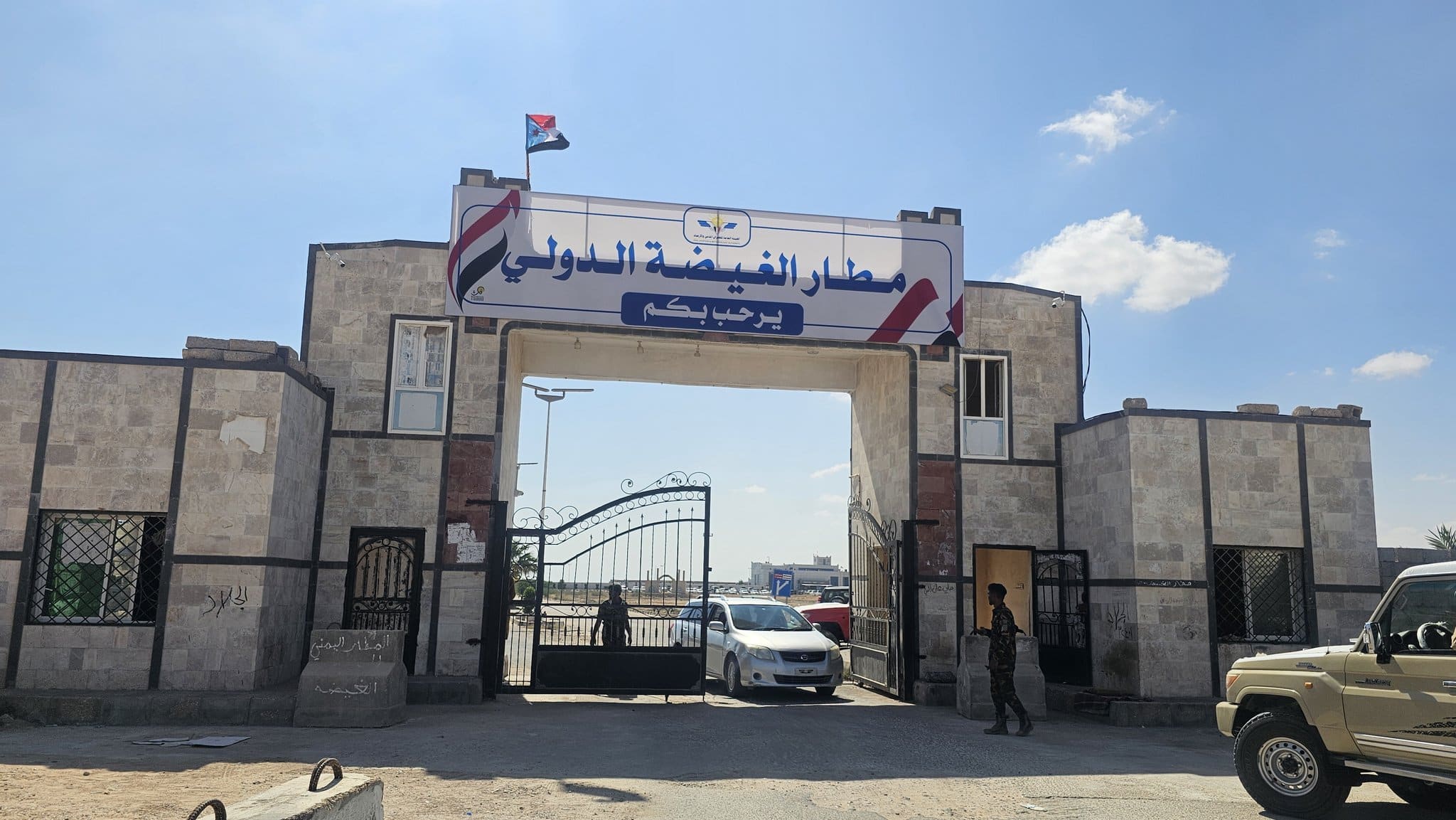
The Saudi air operations against Southern forces were accompanied by a series of decisions issued by Presidential Leadership Council Chairman Rashad Al-Alimi from Riyadh, which included the declaration of a state of emergency, restrictions on southern ports and crossings, and the removal of STC President Aidrous Al-Zubaidi— widely regarded as a symbol of the southern struggle for independence and the restoration of the South State— from the Presidential Council.
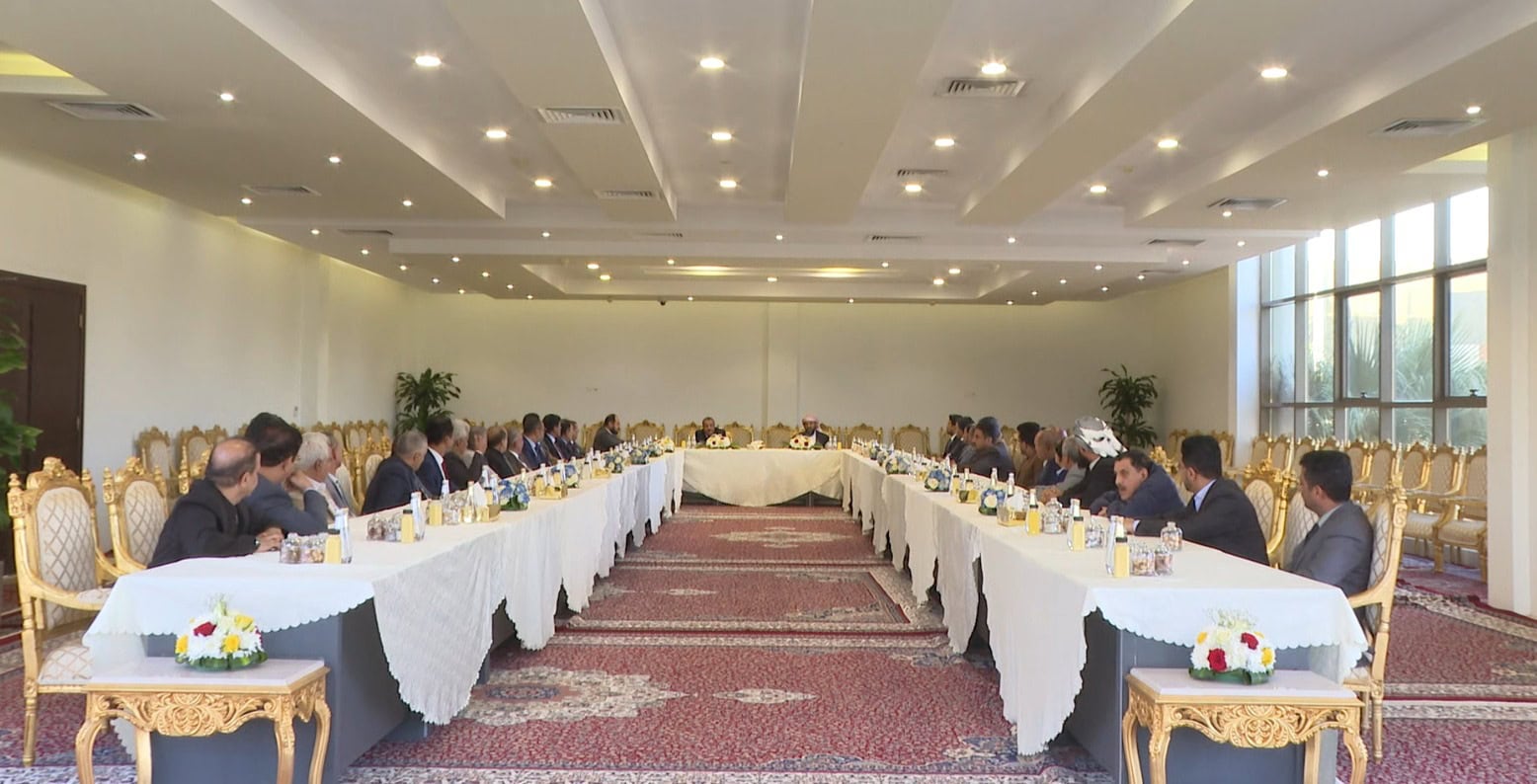
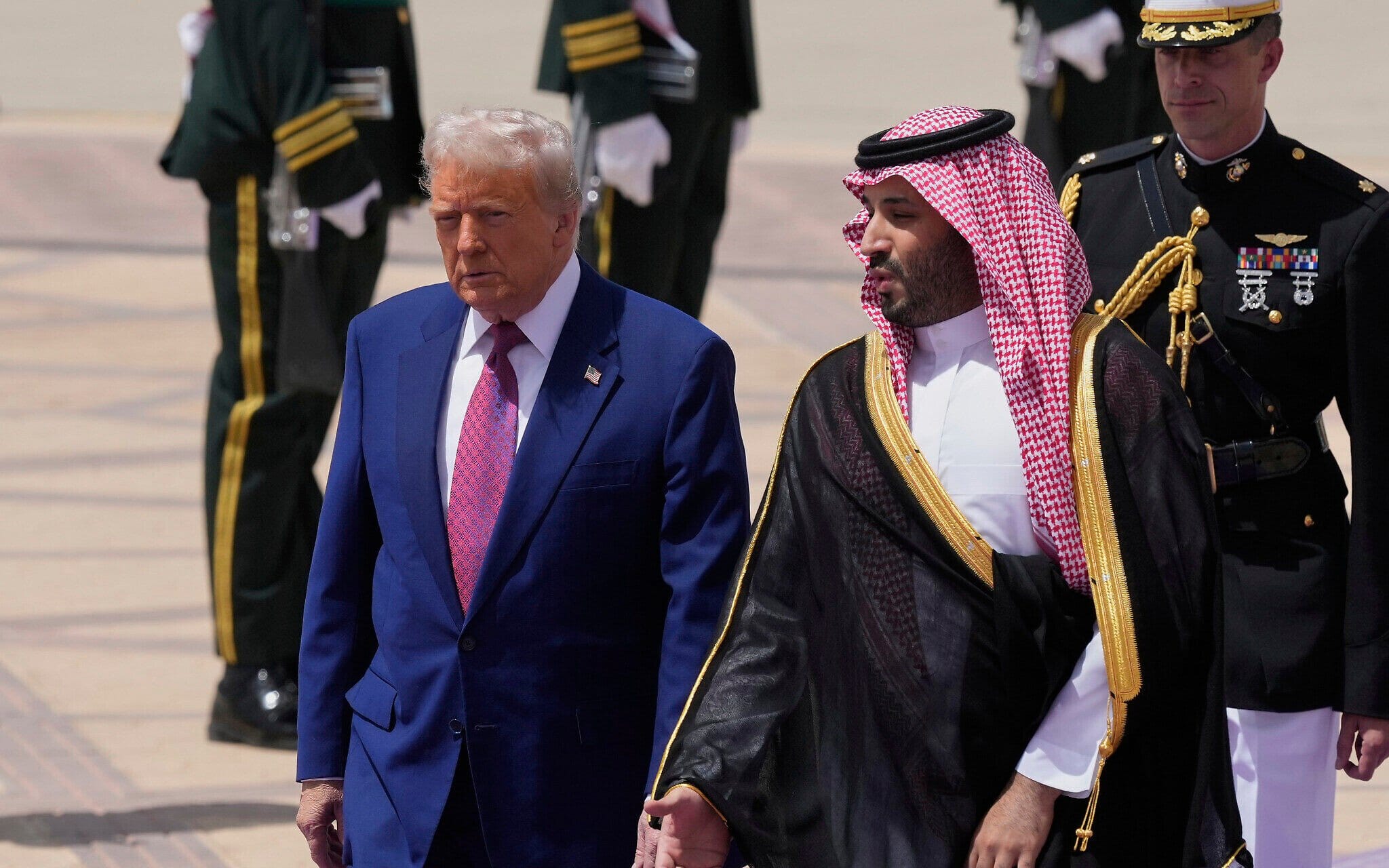
In an overture to popular Southern sentiments, Saudi Arabia initiated a Southern–Southern dialogue in Riyadh to address the South issue and explore fair solutions. While the move has been welcomed internationally as a step forward, it has generated widespread concern among southern constituencies, especially given its timing amid the dismantling of the STC and the Saudi airstrikes that killed and wounded dozens of southern soldiers, including the recent strikes in Al-Dhalea.
These developments coincided with renewed UN calls for de-escalation and political engagement in Yemen. On December 24, the UN Security Council reiterated its support for the Special Envoy’s efforts and urged Yemeni parties to pursue a political process leading to lasting peace, warning that continued military escalation offers no genuine path to resolution.
Between Legitimacy and the Risks of Marginalization
At the heart of the South crisis lies an unresolved political question that has persisted for over three decades: What is the future of the South, and what is the solution to its cause following the failure of the unitary unification project and the 1994 war? While the issue is often reduced to livelihood or human-rights concerns, southern legal experts and political figures stress that developments on the ground, especially the wide popular support, reflect a fully-fledged case of self-determination, not merely administrative grievance or a crisis of representation.
International law expert Rasha Jarhum argues that international approaches framing the South issue purely as a human rights or service-delivery problem fundamentally misrepresent its political and legal essence. “The South issue is not a crisis of services or administrative demands; it is the cause of a people with historical and legal specificity seeking to determine their political future freely.”
Jarhum told South24 that the right to self-determination is “an inherent right enshrined in the United Nations Charter and the two International Covenants on Human Rights,” noting that it grants peoples the freedom to determine their political status and to pursue their economic, social, and cultural development, free from coercion or external guardianship. According to established principles of international legal doctrine, self-determination is not limited to internal arrangements such as autonomy or federalism but may extend to what is known as “external self-determination”, when avenues for internal resolution are closed or when the political relationship is marked by grave violations and systematic exclusion.
In this context, Jarhum points out that international law recognizes what is known as “remedial secession” as a legitimate exception, when a state fails to enable a people to exercise its political rights, or when the political relationship becomes a coercive burden lacking mutual consent. She argues that the political initiatives proposed since 2009, including the National Salvation Document and the National Dialogue Conference, have failed to meet even the minimum requirements of internal self-determination, as the existence of the South issue was acknowledged without being translated into binding constitutional guarantees.
She further notes that the proposed multi-region federal state model in the draft constitution was presented as a general administrative arrangement, without recognizing the South as a political entity with distinct historical and legal status, and without safeguarding its authorities through guarantees preventing their reversal. The division of the South into multiple regions, she argues, further weakened its ability to express itself as a single political community, hollowing out the concept of internal self-determination by reducing a collective political right to divided administrative units.
Southern political figure and veteran activist Dr. Abdo Al-Ma’ttari offers a historical and sovereignty-based perspective on the South issue, telling South24 that the South was never an incidental entity or a transient political experiment, but rather a fully sovereign state and member of international organizations prior to the 1990 unification. He argues that demands for state restoration are not rooted in newly emerging separatist tendencies, but in the historical and legal reality of a state that entered a failed union between two countries.
Al-Ma’ttari emphasizes that attempts to reduce the South cause to a matter of livelihoods or human rights represent a deliberate distortion of its political essence. He stresses that the popular demands currently voiced in squares from Aden to Al-Mahra and Socotra are not a product of the moment, but a continuation of a political struggle that began with the 1994 war and solidified with the launch of the Southern Movement in 2007. In his view, the South is now in a preparatory phase for the declaration of statehood, within the context of broader regional and international transformations.
Rasha Jarhum warns that ignoring southern demands not only threatens prospects for peace but also entrenches instability, leaving Yemen hostage to an open-ended conflict. She sees a real opportunity today to achieve sustainable peace through a dedicated negotiation track for the South issue, one that begins within the framework of legitimacy and is later integrated into the broader peace process.
Jarhum underscores that a fair political resolution to the South cause represents the shortest path to stability, as opposed to managing the crisis through temporary arrangements that later serve as evidence of the issue’s resolution.
Can There Be Peace Without the South?
As regional and international pressure mounts to redesign Yemen’s peace framework, the South issue is more prominent than ever. The South no longer stands at the margins of the conflict, but at its core.
While the United Nations has previously managed the conflict through temporary containment frameworks centered on legitimacy and the coup narrative, the current phase presents a different challenge: moving from crisis management to addressing root causes. Any peace process that ignores the political aspirations of the people seeking to determine their future is unlikely to be more than a fragile truce, vulnerable to collapse at the first political or military shock.