مركز سوث24 للأخبار والدراسات
مركز سوث24 للأخبار والدراسات


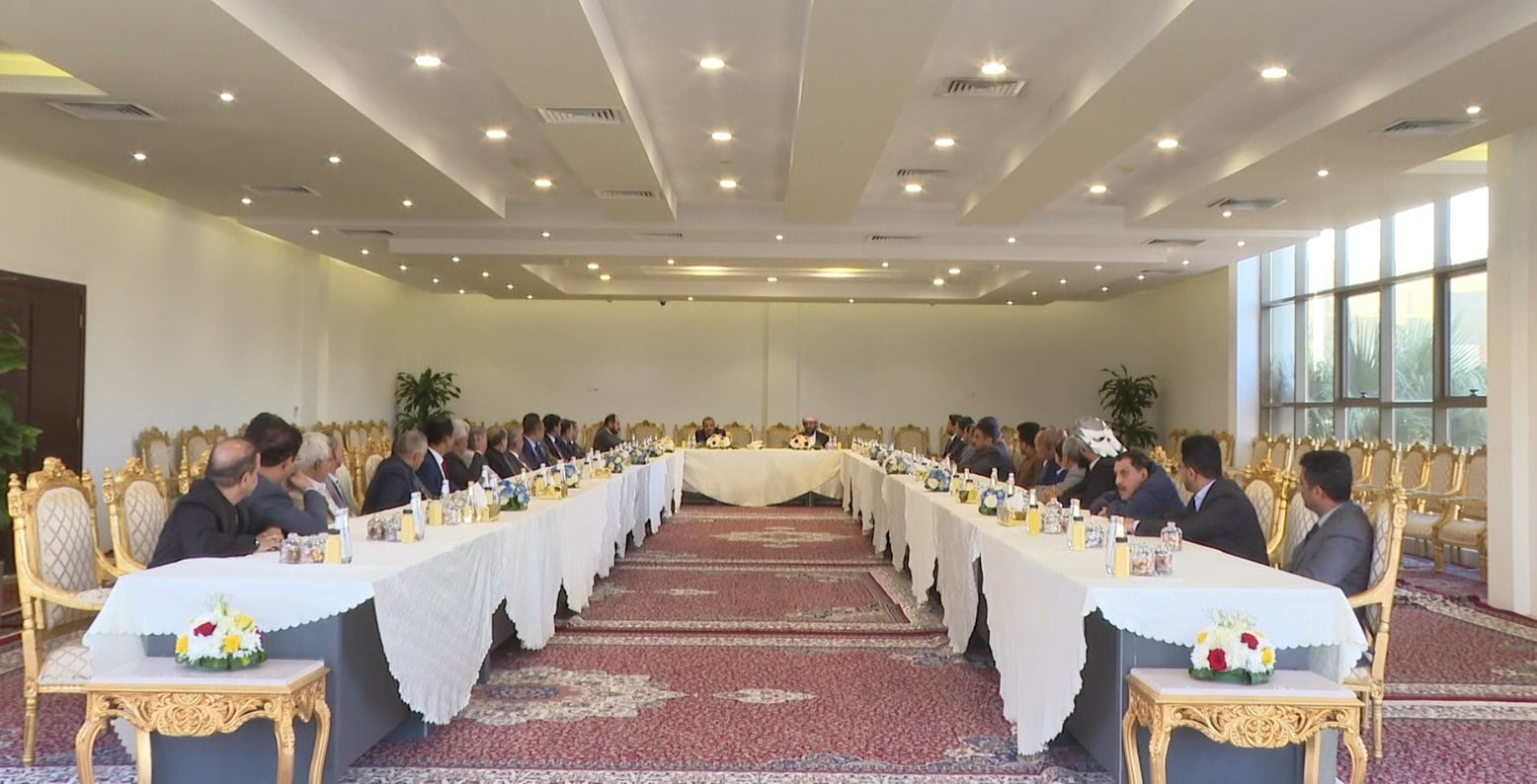
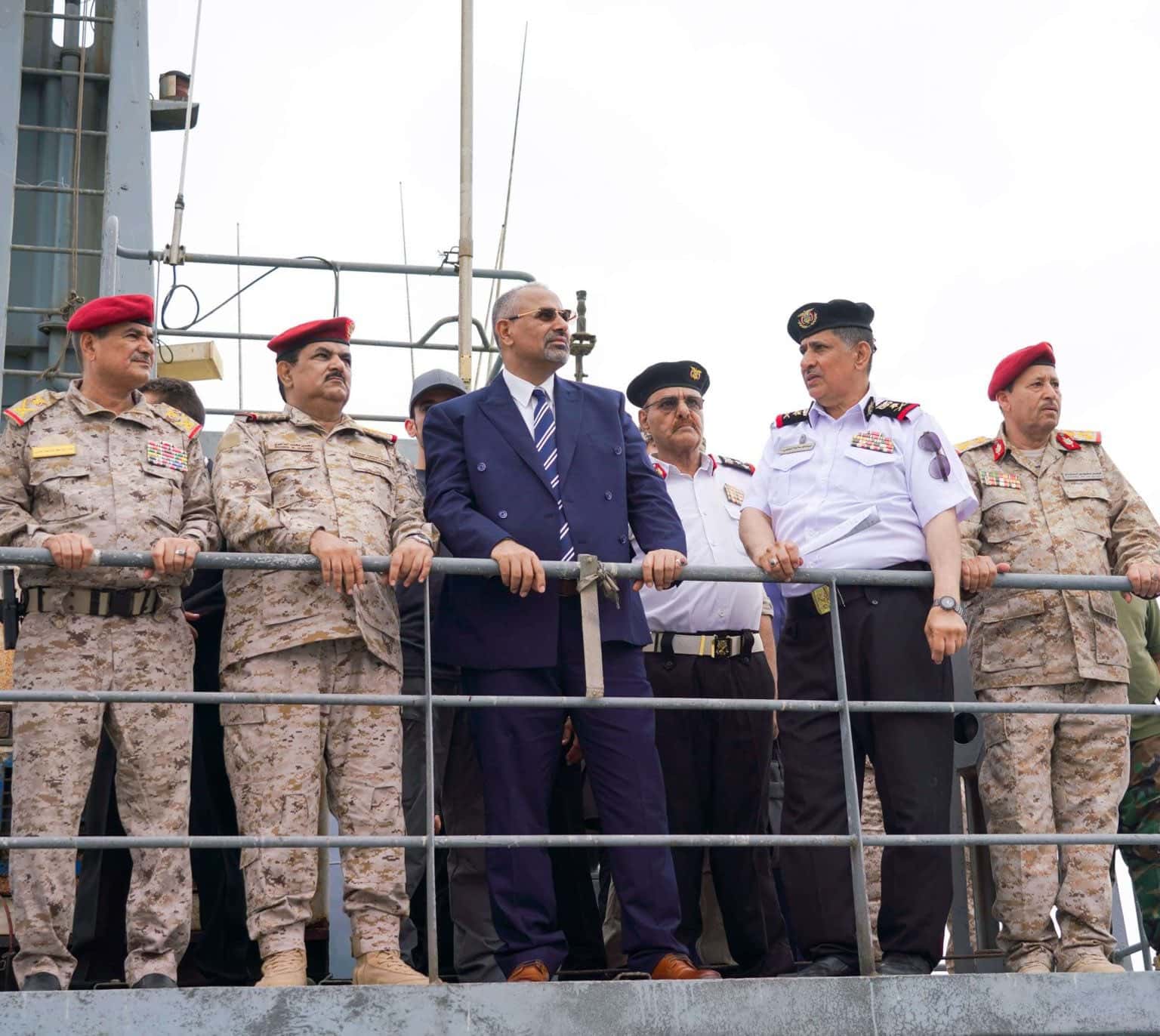
A photo of Southern Transitional Council leaders in Riyadh during the reading of the statement announcing the dissolution of the council, January 9 2026 (Saba)
09-01-2026 الساعة 11 مساءً بتوقيت عدن
Riyadh (South24)
A group of Southern Transitional Council (STC) leaders based in the Saudi capital Riyadh — including Vice Presidents Abdulrahman Al-Muharrami and Ahmed Saeed Bin Breik — announced the dissolution of the STC with all its main and subsidiary bodies, the closure of all its offices at home and abroad, and the launch of preparations for a comprehensive Southern conference under Saudi sponsorship.
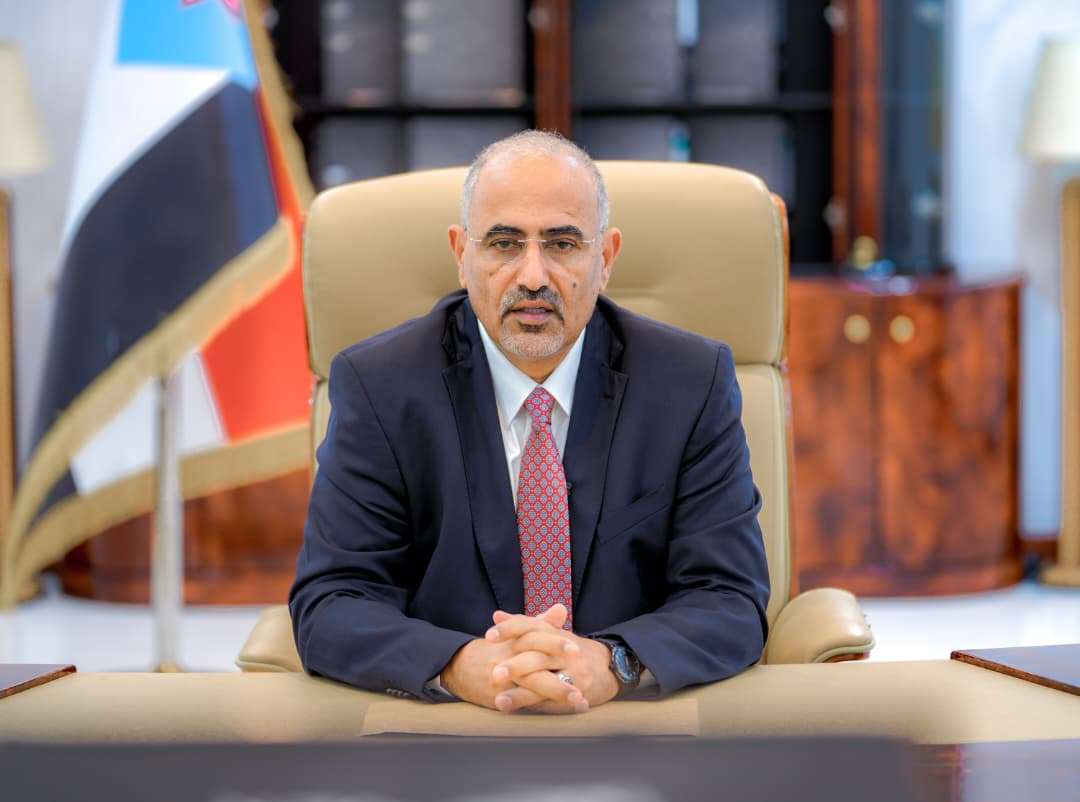
The announcement came amid the continued absence of STC President Major General Aidrous Al-Zubaidi, who Saudi authorities claim has arrived in Abu Dhabi.
The statement was read by STC Secretary-General Abdulrahman Al-Subaihi and broadcast on Yemen’s official television channel.
The statement followed a meeting that brought together members of the STC presidency, the supreme executive leadership, the general secretariat and other bodies, convened to assess the recent developments in Hadramout and Al-Mahra, the accompanying escalation and what were described as “grave and painful” repercussions, as well as to discuss the Saudi initiative to sponsor a Southern dialogue to resolve the Southern issue.
The statement said the STC was founded to voice the cause of the Southern people, represent them and lead them towards the restoration of their state — not to cling to power, monopolize decision-making or exclude others.
It claimed that those present in Riyadh “did not take part in the decision to launch the military operation against Hadramout and Al-Mahra, which harmed Southern unity and damaged relations with the Saudi-led coalition.”
The statement added that the continued existence of the STC no longer serves the purpose for which it was established, prompting the signatories to announce its dissolution in what they described as a response to their “historic responsibility” towards the Southern cause. They called for engagement in the path of the comprehensive Southern dialogue conference to be held in Riyadh and for the formation of an inclusive Southern framework reflecting the aspirations of Southerners in accordance with their free will.
The meeting urged the people of the South in Aden and all governorates to recognize the sensitivity of the current phase and to work together to safeguard achievements and protect the South from chaos or instability. The signatories reaffirmed their commitment to the Southern cause and praised what they described as Saudi Arabia’s supportive stance towards the Southern issue.
STC response
In response, STC spokesman Anwar Al-Tamimi said decisions concerning the council can only be taken by the STC through all its bodies and under the presidency of its leader, adding that any such decisions would be announced after the release of the STC delegation currently in Riyadh.
Al-Tamimi said the STC would continue to engage positively and constructively with political initiatives that allow Southerners to determine their future.
Saudi position
Saudi Defense Minister Prince Khalid bin Salman said the Southern issue now has a “real track” sponsored by the Kingdom and supported by the international community through the Riyadh conference, which aims to bring Southerners together to develop a comprehensive vision for just solutions that meet their aspirations.
He said Saudi Arabia would form a preparatory committee in consultation with Southern figures to organize the conference, which will include representatives from all Southern governorates without exclusion or discrimination. He added that Riyadh would support the conference outcomes and present them at the table of Yemen’s comprehensive political settlement talks.
Prince Khalid described the decision by Southern leaders to dissolve the STC as a “courageous step” that reflects concern for the future of the Southern cause and encourages broader Southern participation in the Riyadh conference.
South24 special information
In information obtained by South24, a source in the STC delegation that arrived in Riyadh on Wednesday, January 7, said the dissolution statement was drafted with the consensus of all delegation members after consultations with Vice Presidents Al-Muharrami and Bin Breik and in coordination with Saudi officials.
The source said Saudi Arabia provided what he described as “serious guarantees” regarding respect for the aspirations of the Southern people, noting that the Saudi defense minister personally conveyed those assurances. He said the decision to dissolve the STC followed a Saudi pledge to support any Southern national framework emerging from the upcoming dialogue conference.
The source said members’ phones were confiscated “so that some would not be influenced by external parties.” The STC’s foreign affairs authority had earlier accused Saudi Arabia of detaining the delegation after their arrival in Riyadh on Wednesday, January 7, and demanded their immediate release.
The source added that the failure of STC President Aidrous Al-Zubaidi to travel to Riyadh had angered Saudi officials. “They told us he had arrived in Abu Dhabi,” he said.
According to the source, STC leaders currently in Riyadh will take part in the comprehensive Southern conference in their personal capacity, along with other forces, in line with Saudi assurances.
It remains unclear what form the Riyadh dialogue will take or the mechanism through which other Southern parties will participate.
The STC has been the most cohesive political entity since the Sana’a regime’s invasion of South Yemen in 1994 and the collapse of the Southern state that existed until 1990. If the council disintegrates, South Yemen would be left without a political bearer representing its national cause, pending the outcomes of the Saudi-sponsored conference.
The STC has played a central role in bringing the Southern cause to international forums and placing it on the agenda of negotiations and dialogue for the first time since the launch of the peaceful Southern movement in 2007.
Successive Yemeni governments have sought to sideline the issue or create loyalist entities aligned with their vision of unity.
A coalition of Yemeni elite factions and northern political parties supporting unity have lined up behind Riyadh’s steps, amid emerging differences between Saudi Arabia and the United Arab Emirates.
While some fear that political Islamist groups may exploit the Yemeni scene to expand towards the South, Saudi officials have sought to reassure the United States. According to a report by Jewish Insider, several U.S. lawmakers concluded that talk of a Saudi “pivot” towards appeasing Islamist currents is exaggerated, and that the Saudi foreign minister, during a recent visit to Washington, delivered a clear message to Congress members that the Kingdom is “against the Muslim Brotherhood” and that differences with the UAE are “tactical, not ideological.”
Local reactions
In a related development, STC bodies in Aden, Al-Dhalea, Lahj and Shabwa rejected the move to dissolve the council.
The executive leadership of the STC in Aden said the council derives its legitimacy from the popular will and the free mandate granted to President Aidrous Al-Zubaidi. It stressed that any existential decisions regarding the council’s future or organizational structure can only be taken through its official institutional frameworks in line with its bylaws and under the direct supervision of its legitimate leadership.
The Aden leadership said any attempts to impose a new political or organizational reality through statements or measures issued outside institutional consensus, or under conditions lacking free will, are legally and politically invalid.
It said the negotiating delegation in Riyadh was mandated to strengthen partnership and address outstanding files in the interest of the Southern people, not to make concessions affecting the fundamentals of the Southern cause or the council’s institutional structure.
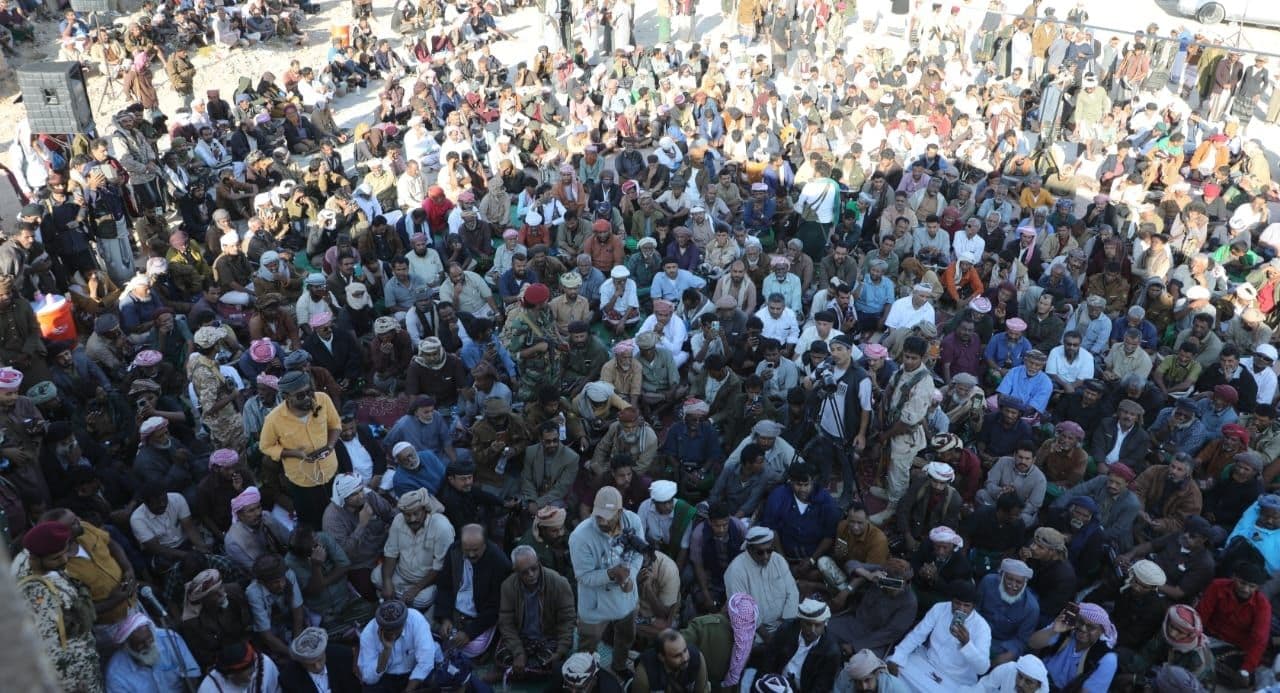
The Aden leadership has called for mass participation in a rally scheduled for Saturday (January 10) at 3 p.m. in Al-Urud Square in Khormaksar, urging supporters to take part peacefully to reaffirm that popular will is the sole source of legitimacy and decision-making.
The STC in Al-Dhalea also called for participation in Saturday’s event to renew the “mandate” for Aidrous Al-Zubaidi.
Aden’s security authorities have meanwhile issued a directive banning demonstrations in the capital at the present time.
Escalation and Security Fallout
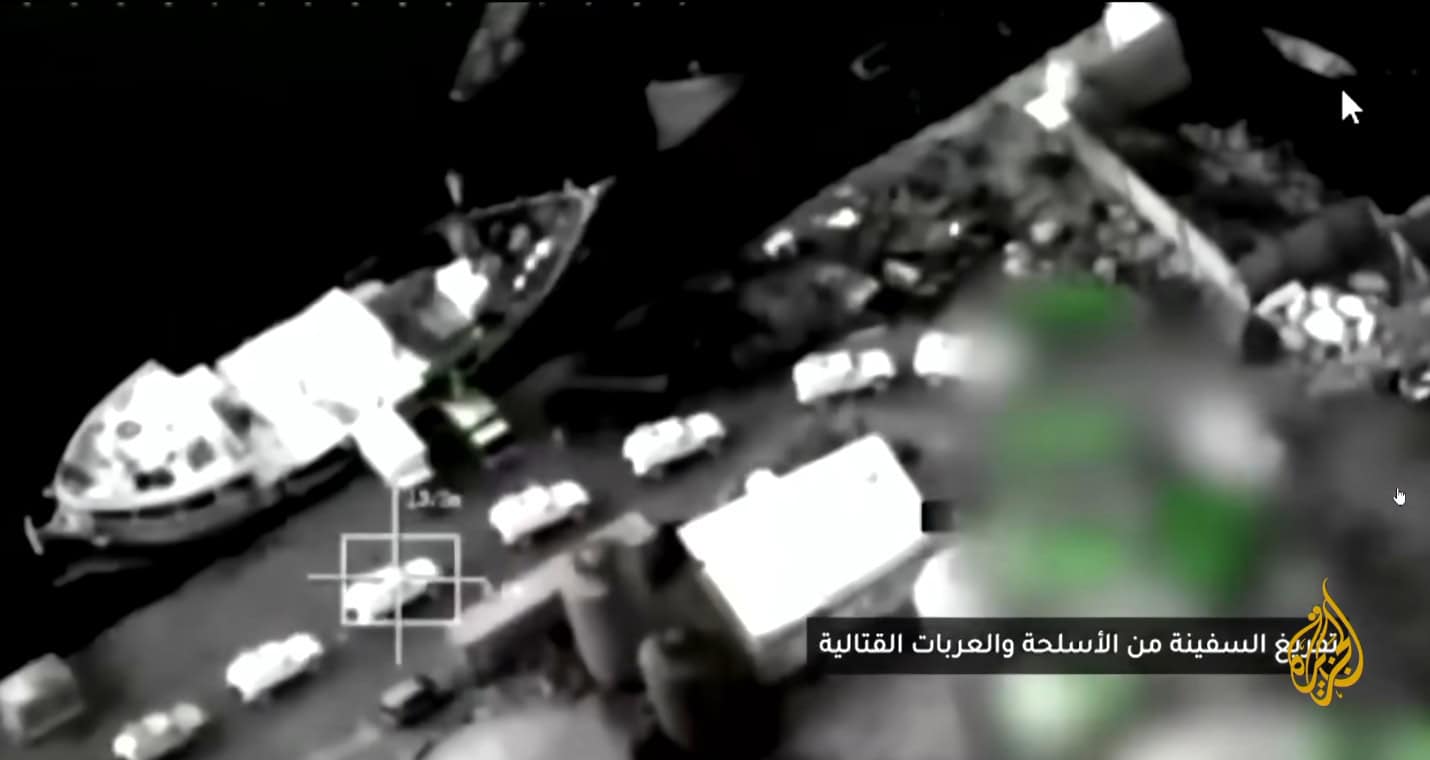
According to South24 sources, Saudi Arabia has carried out more than 350 airstrikes targeting Southern forces’ positions in Hadramout, Al-Mahra and Al-Dhalea.
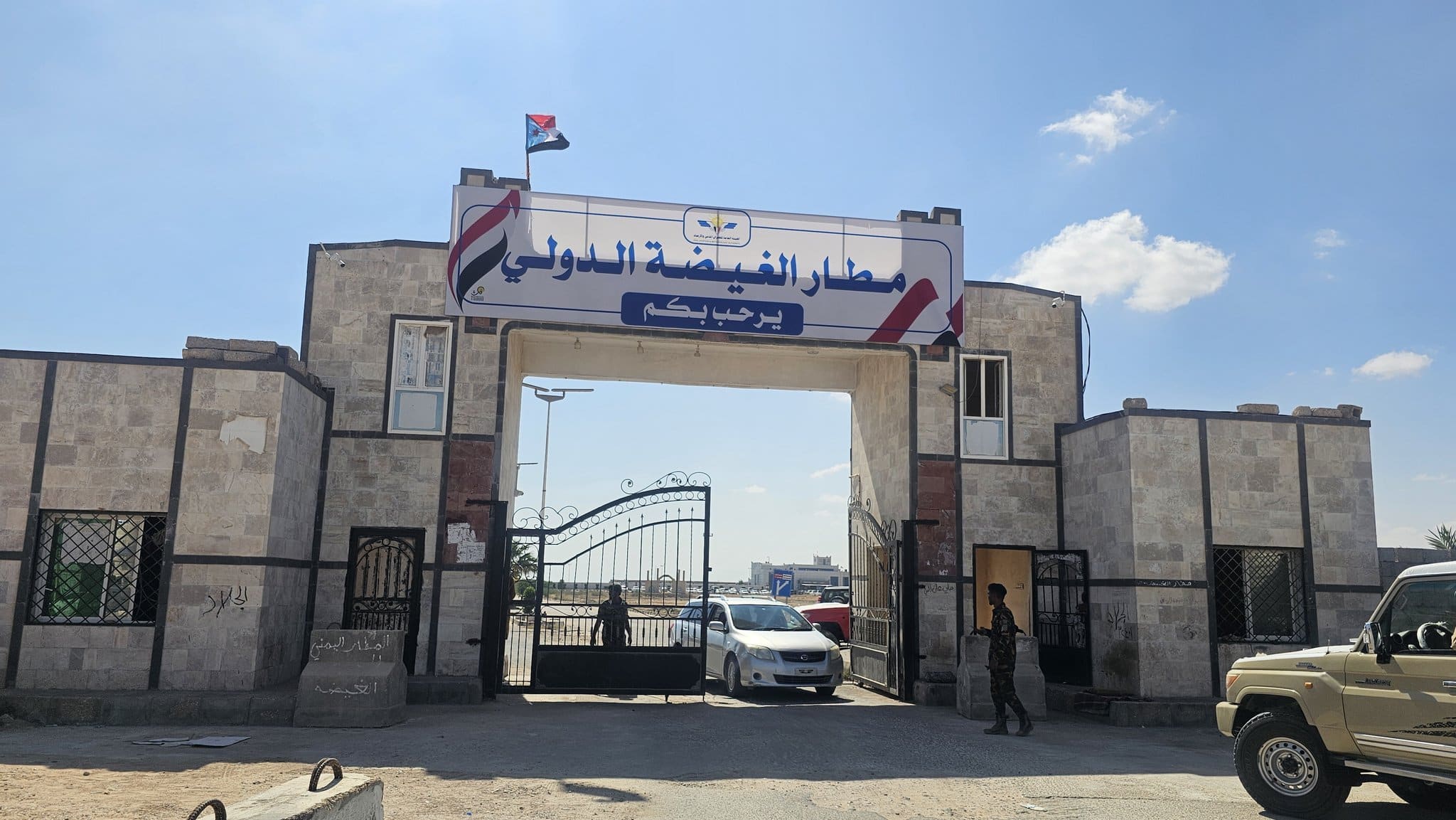
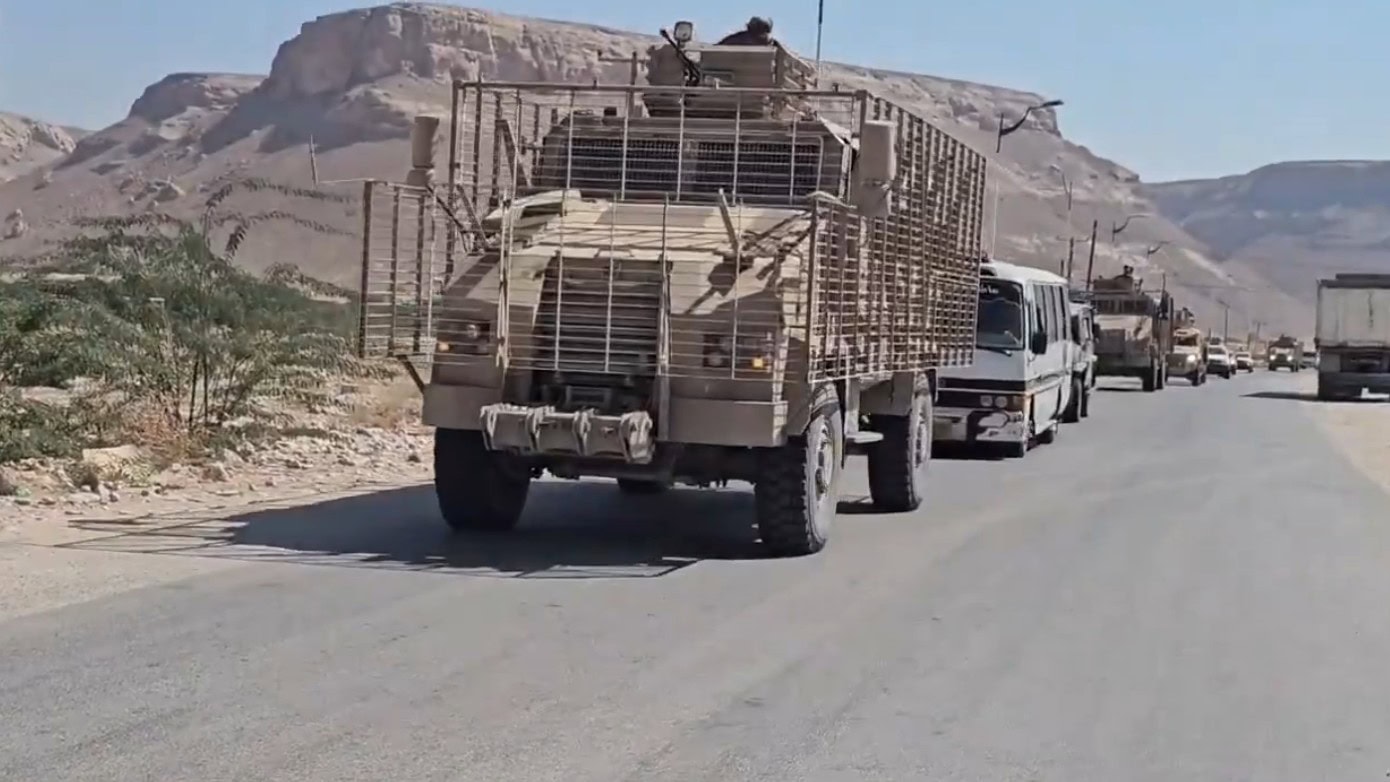
The strikes led to the withdrawal of Southern forces from Hadramout and Al-Mahra and the entry of Saudi-backed National Shield forces, northern emergency units and armed tribal groups, triggering widespread security breakdowns and looting of military camps and public and private facilities — particularly after the UAE withdrew from the command-and-control center at Al-Rayyan camp in Mukalla and announced the pullout of all its forces from Yemen.
The Saudi strikes followed the arrival of Southern forces in Hadramout and Al-Mahra on December 3, 2025 as part of “Operation Promising Future,” which the STC said aimed to secure the governorates, dismantle smuggling networks and protect them from terrorism.
Saudi aircraft also struck the Zubaid area in Al-Dhalea, the hometown of Aidrous Al-Zubaidi, causing civilian casualties. Around 80 Southern fighters were killed and about 150 wounded in the Saudi strikes and clashes in Hadramout over recent weeks.
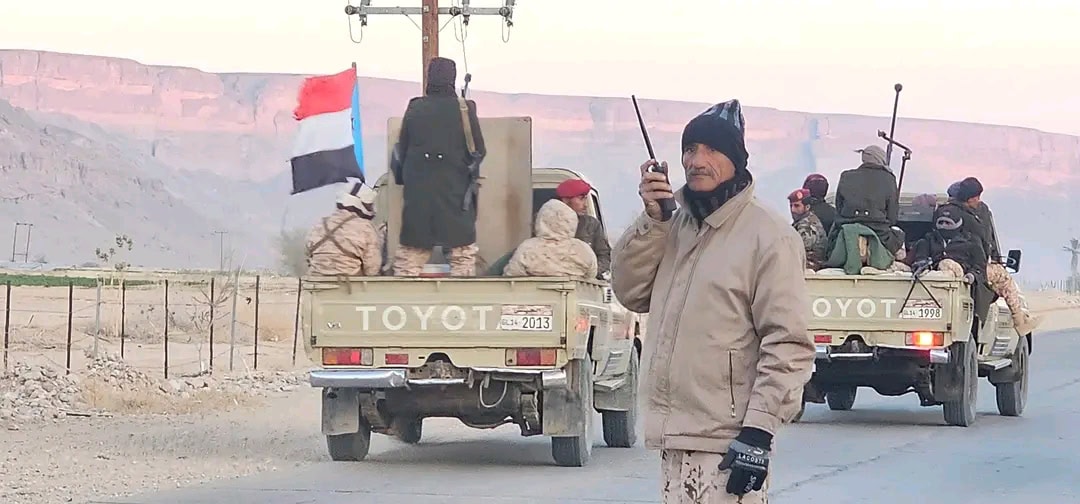
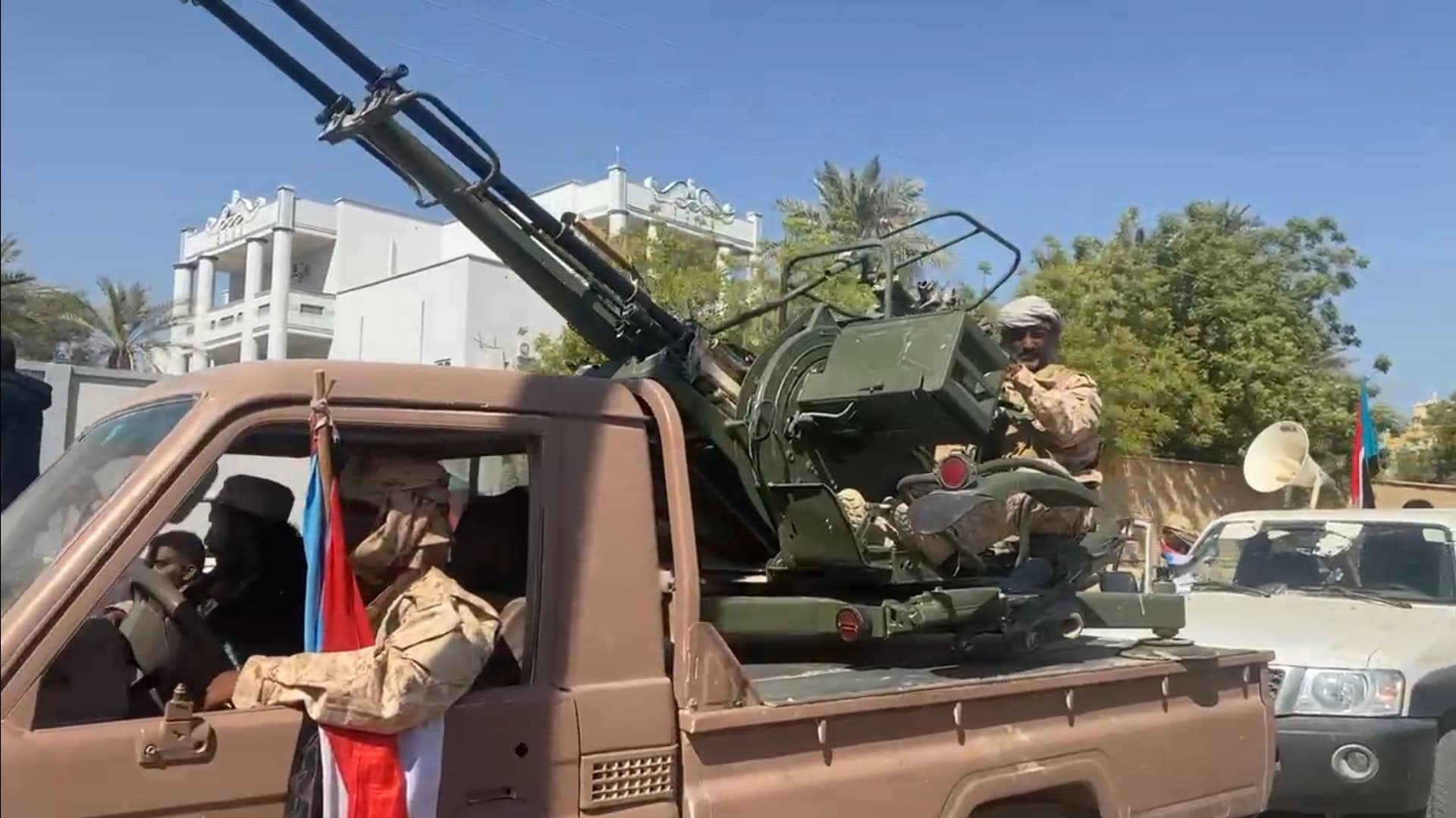
In recent days, Aden and other cities have witnessed redeployments of National Shield and Southern Giants forces to maintain security amid shifts in the political landscape.
Presidential Leadership Council head Rashad Al-Alimi has also announced the dismissal of several prominent Southern officials, including Aden Governor Ahmed Lamlas and Defence Minister Mohsen Al-Daari, as well as the commanders of the Second Military Region in Hadramout and the Al-Ghaydah axis in Al-Mahra.


قبل 15 ساعة