مركز سوث24 للأخبار والدراسات
مركز سوث24 للأخبار والدراسات


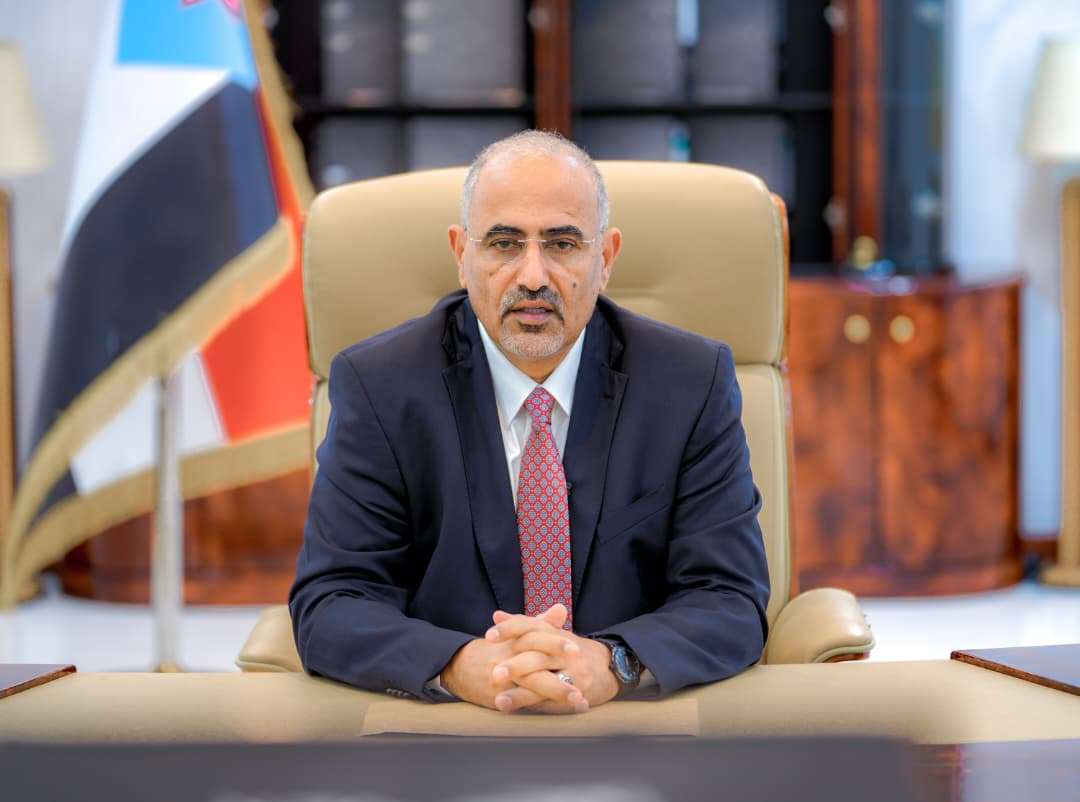
Aidarous Al-Zubaidi delivers the political declaration from Aden on the path to restoring the State of South Arabia, 3 December 2025 (AIC)
آخر تحديث في: 03-01-2026 الساعة 2 صباحاً بتوقيت عدن
Aden (South24 Center)
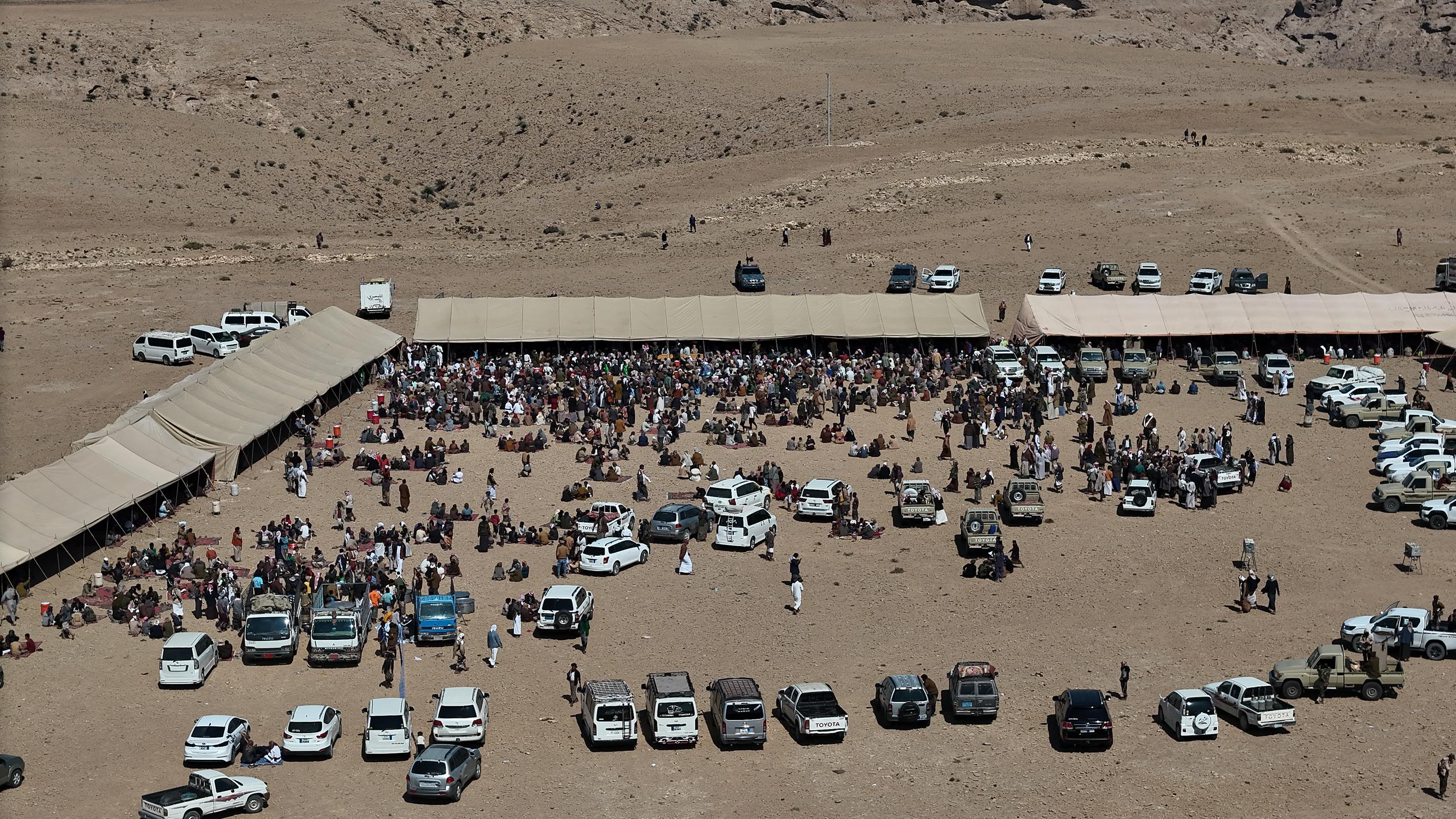
South Yemen witnessed one of the most dangerous military and political turning points in years on Friday, 2 January, as wide-scale clashes erupted in Wadi Hadramout following an attack carried out by Northern forces linked to the Muslim Brotherhood, with direct Saudi military backing.
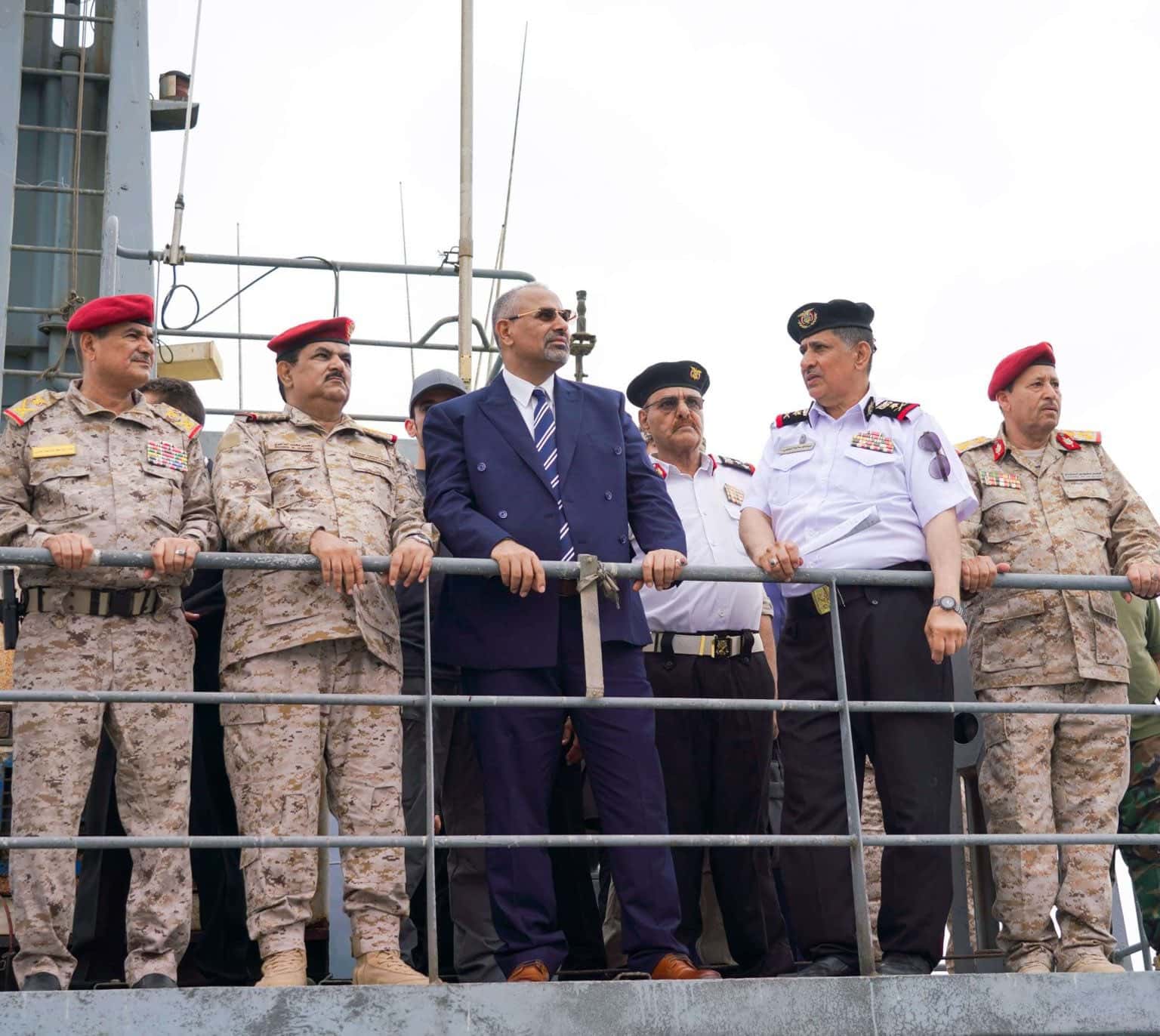
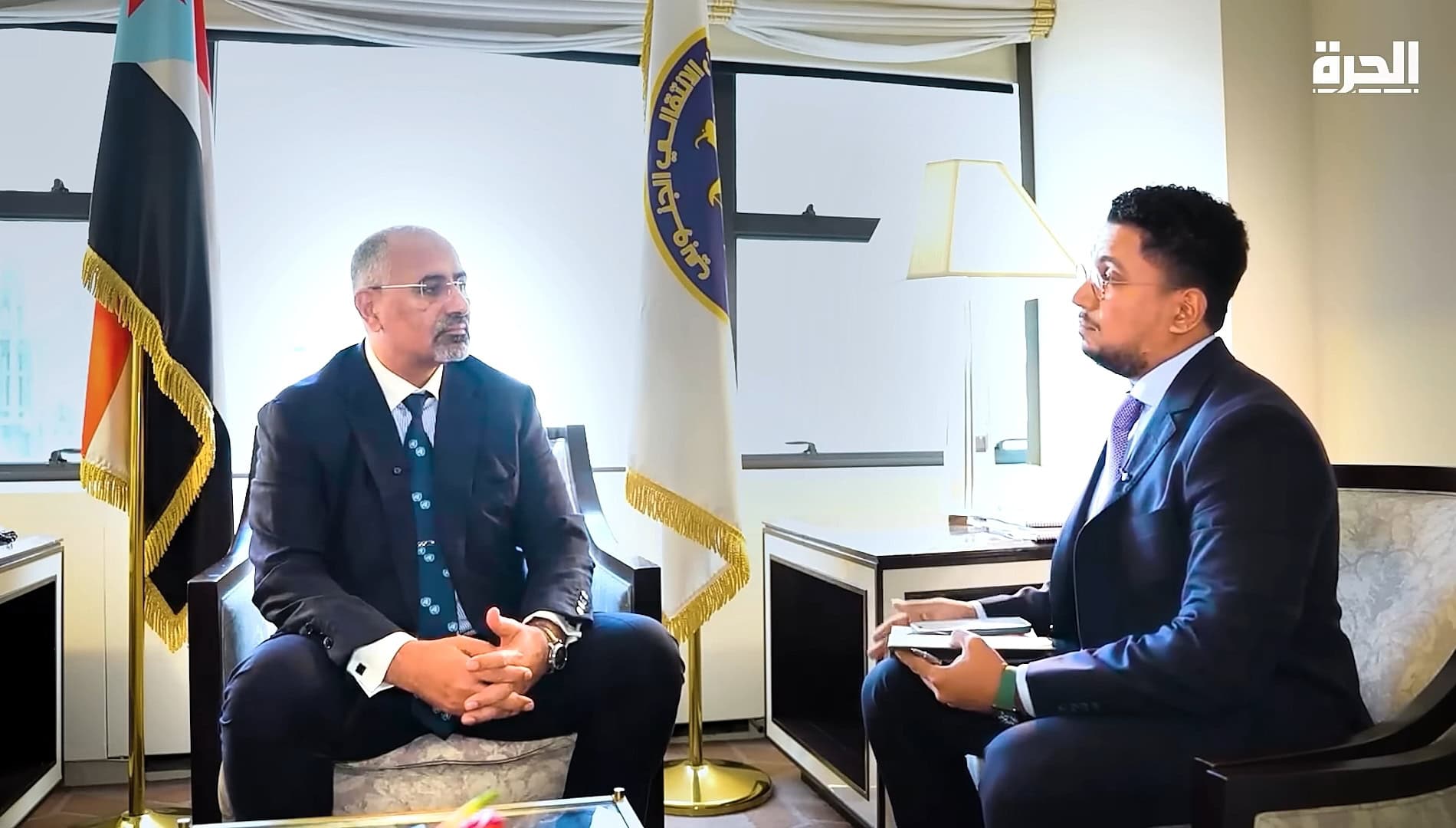
This unfolded in parallel with an unprecedented political and constitutional declaration from the capital, Aden, in which the President of the Southern Transitional Council (STC), Aidarous Al-Zubaidi, set out a clearly defined transitional roadmap for the restoration of the State of South Arabia.
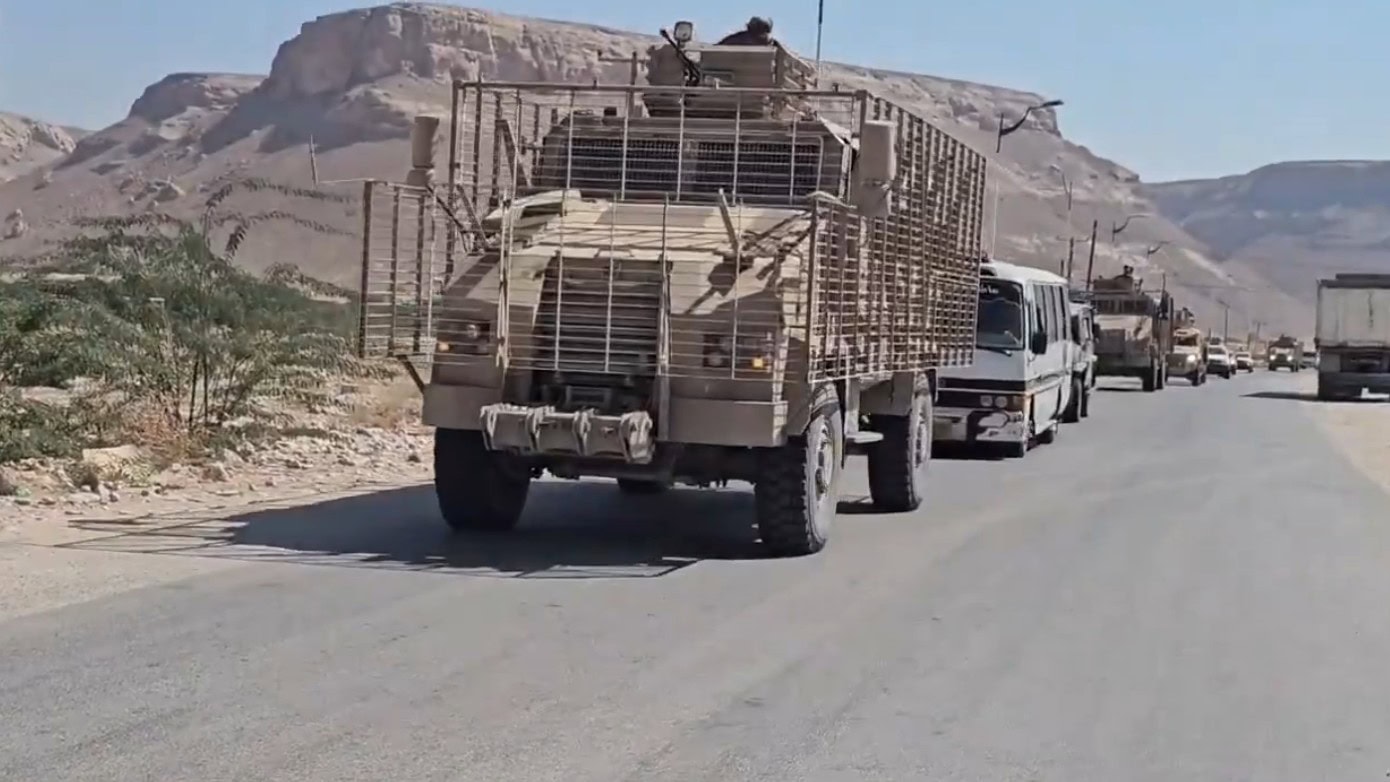
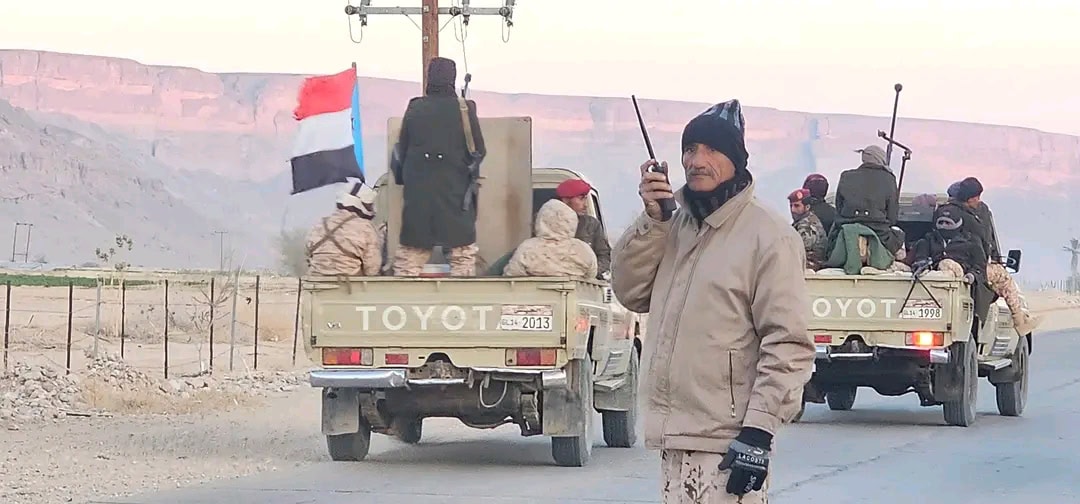
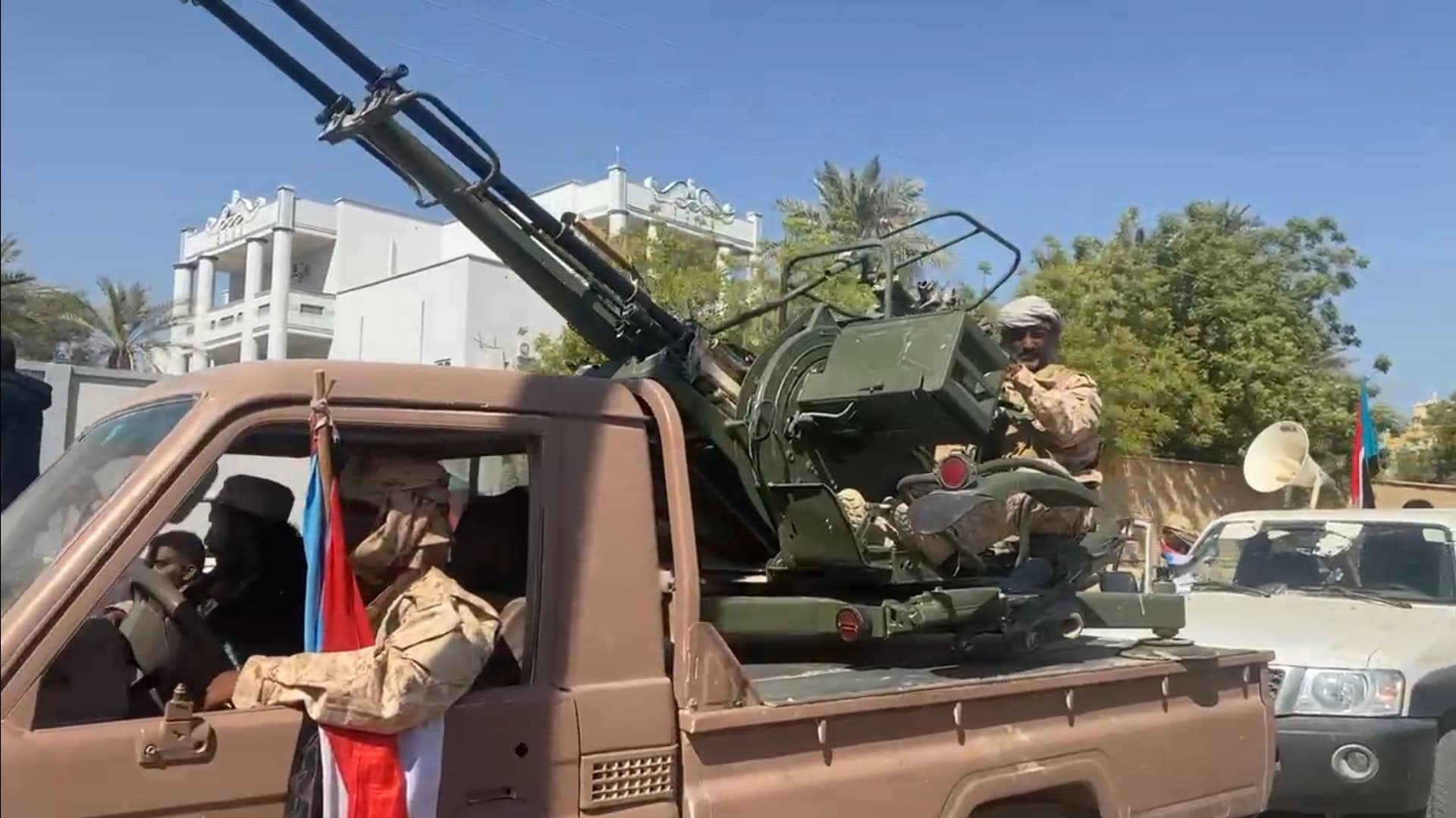
According to multiple field and military sources cited by the South24 Center, developments began in the early hours of dawn with the movement of Northern units advancing from Marib and Al-Baqa (Saada) under formations known as the “Azal Axis” and “Emergency Forces” toward positions held by Southern Government Forces in Wadi Hadramout. This occurred amid heightened combat readiness and the deployment of Southern reinforcements at several strategic locations.
The sources said clashes escalated rapidly after the attacking forces failed to achieve a field breakthrough, prompting Saudi Arabia to intervene through aerial support.
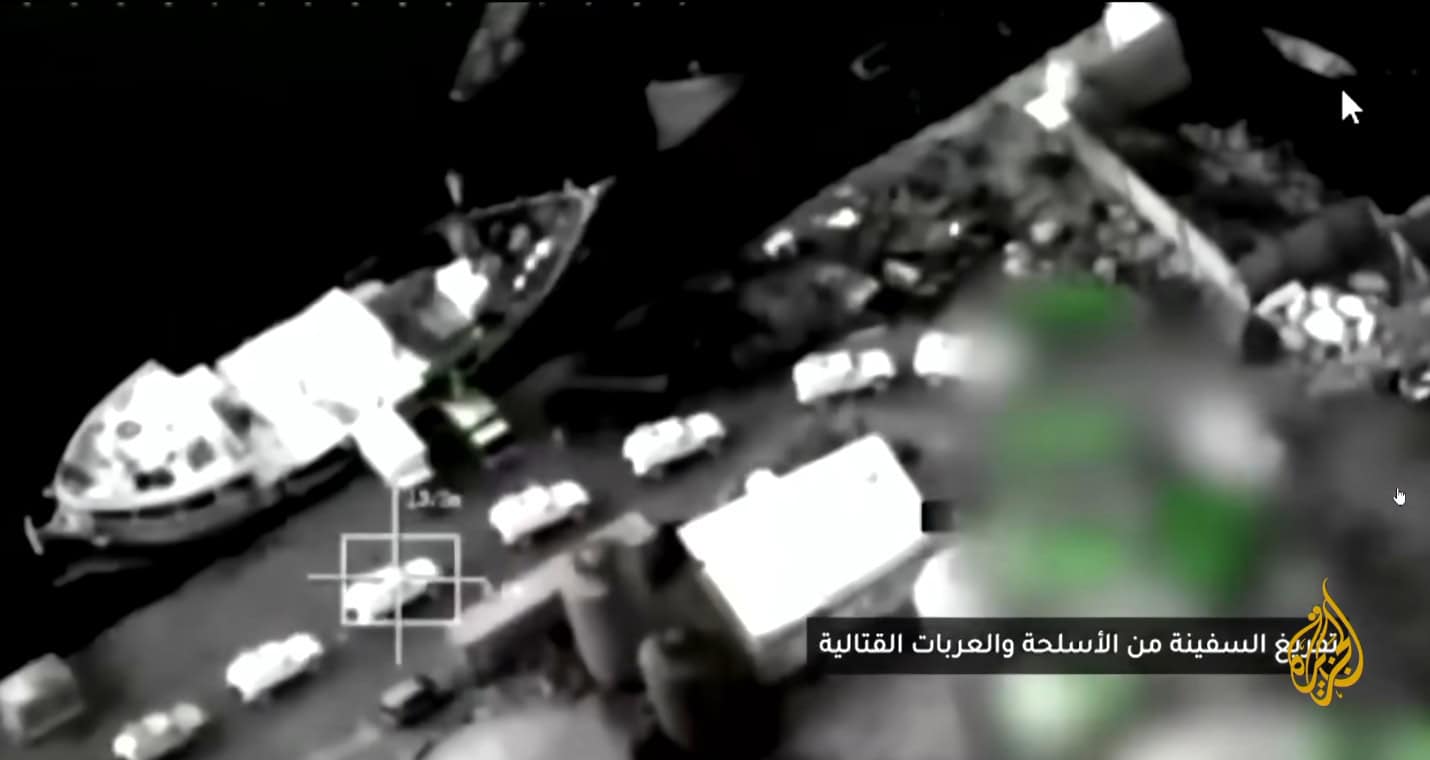
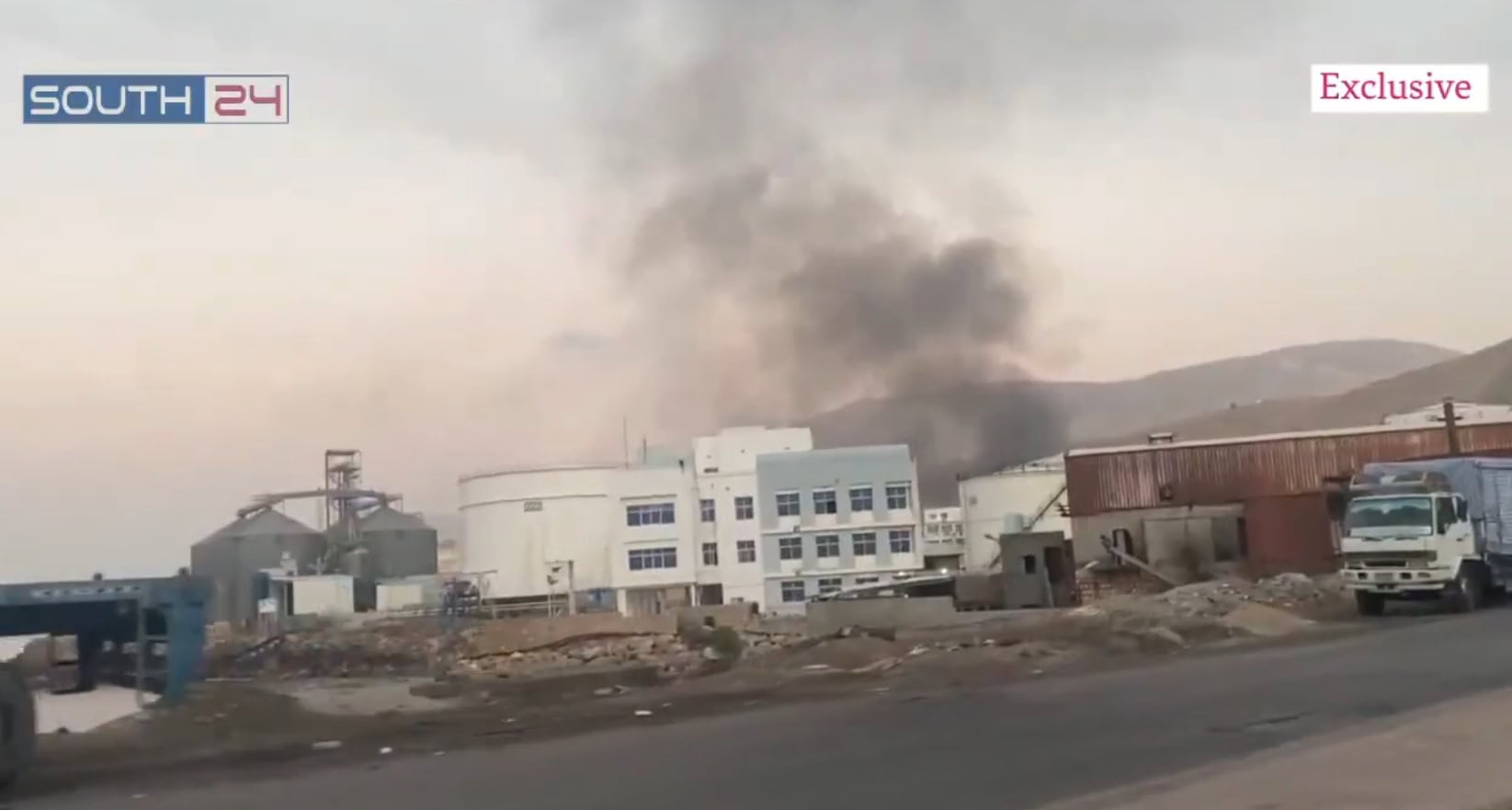
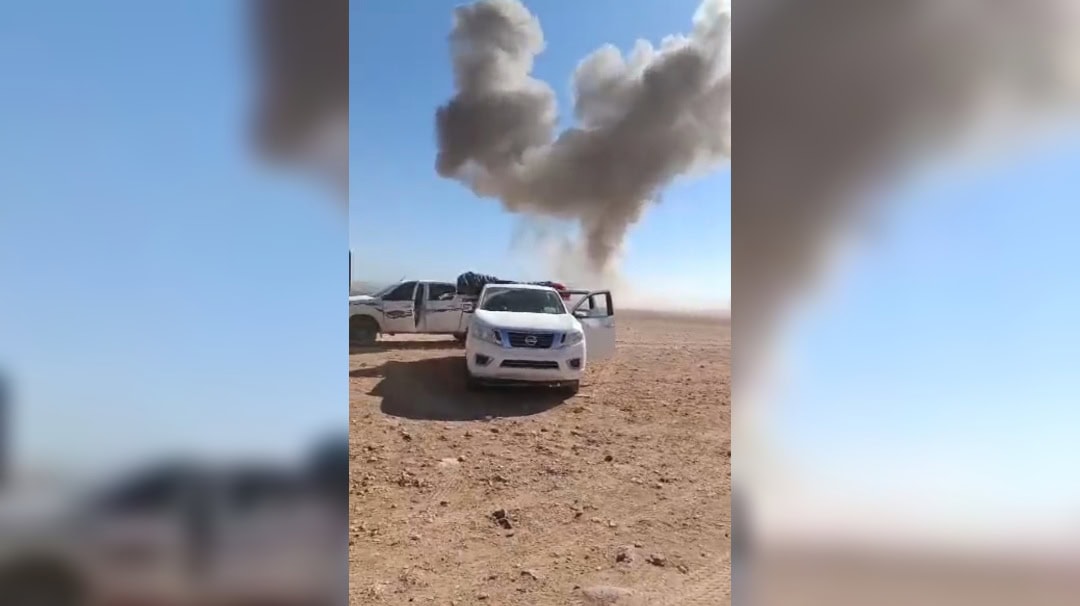
During daylight hours, Saudi aircraft carried out a series of airstrikes targeting Al-Khasha’a camp and the Mo’awadha Brigade, before expanding the strikes to include the vicinity of Seiyun International Airport and the headquarters of the First Military Region Command, which is controlled by Southern Government Forces inside the city. A military vehicle and a civilian vehicle were also struck in the city of Al-Qatn.
Local sources confirmed that the airstrikes caused widespread panic among residents, with civilian casualties reported, including women and children, in Al-Qatn as a result of strikes near residential neighborhoods and along main streets.
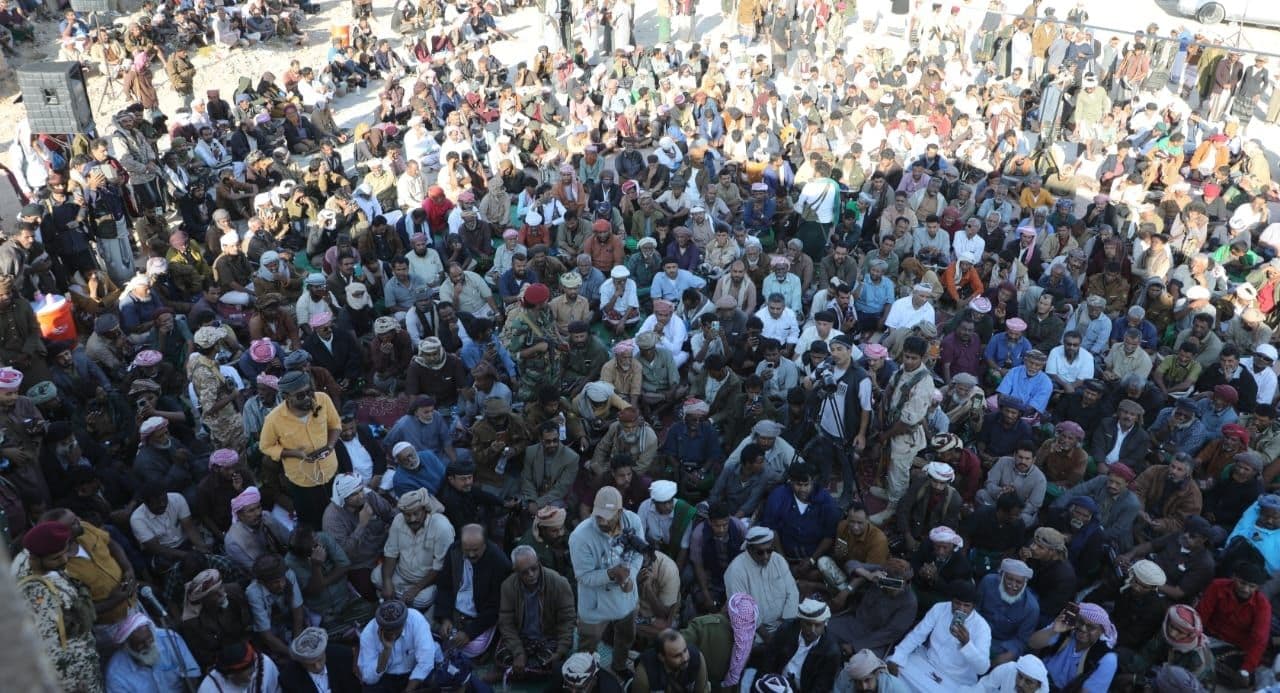
In parallel, popular protests erupted in Al-Qatn district, the city of Mukalla, and other areas of Hadramout, condemning the Saudi airstrikes. Demonstrators chanted slogans rejecting the continuation of the Saudi-led coalition, most notably “No alliance after today,” reflecting growing public anger and an expanding local rejection of what was described as “Saudi aggression”.
The Second Military Region Command said that the Hadrami Elite Forces were “carrying out their national duty,” stressing that all of their military positions along the Hadramout coast would remain under their full responsibility.
As the confrontations progressed, military sources announced that Southern Forces had managed to break the first line of the attack and forced the attacking elements to retreat, capturing a number of fighters affiliated with Saudi-backed brigades. Other sources confirmed that the Saudi field hospital at the Al-Wadea crossing faced difficulties accommodating the dead and wounded among the Northern forces, with several casualties transferred into Saudi territory.
Politically, Southern reactions intensified as the Southern Transitional Council issued a strongly worded condemnation statement on Friday evening, describing the events as a “Saudi aggression and a dangerous military war” against Southern territory, carried out through airstrikes concurrent with a ground assault by Northern forces affiliated with the Muslim Brotherhood.
The statement said the military aggression had resulted in the killing of civilians and the destruction of infrastructure in Wadi Hadramout, while granting the Houthis and terrorist organizations an opportunity to exploit the situation and reactivate their activities. It warned against reproducing the wars of 1994 and 2015 and imposing unity by force, in a clear violation of the will of the Southern people.
Hours earlier, the political scene had undergone a decisive shift with a political declaration issued by the Southern Transitional Council in Aden at 7:00 p.m., announcing the entry into a two-year transitional phase, based on what it described as popular authorization and broad public will demanding the restoration of the state.
STC President Aidarous Al-Zubaidi called on the international community to sponsor an organized political dialogue between the relevant parties in the South and the North, aimed at guaranteeing the rights of the Southern people within a defined timeframe, culminating in a popular referendum to exercise the right to self-determination through peaceful and transparent mechanisms, with the participation of international observers.
The political declaration emphasized that the transitional phase seeks to avoid sliding into new conflicts and to reorganize political and institutional arrangements on fair foundations, stressing that this path does not represent a relinquishment of rights but rather an expression of the will of a people striving to restore their state in a lawful and secure manner that safeguards their security and stability.
At 8:00 p.m., the Southern Transitional Council published the Constitutional Declaration of the State of South Arabia, setting out the legal and institutional framework for the next phase. The declaration stipulated the establishment of an independent, sovereign state within the borders of the former Southern state, with Aden as its capital.
The Constitutional Declaration consists of 30 articles. Its first article stipulates that “the State of South Arabia is an independent and sovereign state within the internationally recognized borders of the former People’s Democratic Republic of Yemen, with Aden as its capital. It is part of the Arab and Islamic nation; its language is Arabic, its religion is Islam, and Islamic Sharia is a principal source of legislation.”
The declaration set the duration of the transitional phase at two years, renewable once by decision of the Transitional Legislative Authority, while committing the state to all international conventions, the United Nations Charter, and the Universal Declaration of Human Rights.
It also outlined the foundations of the state’s economic policy during the transitional phase, based on a free-market economy with the protection of public and private property, and the review of investment contracts and previous obligations according to independent legal standards that safeguard the rights of the state and investors.
The Constitutional Declaration granted the Head of State, in his capacity as the mandated president for restoring the state, broad powers including command of the armed forces and security services, chairmanship of the transitional government, appointment of senior officials, and the declaration of a state of emergency and general mobilization.
It also provided for the formation of a Transitional Legislative Authority composed of two chambers: a Transitional Legislative Council with 171 members, and a Shura Council with 101 members, with guarantees for the representation of women and youth. These bodies are tasked with drafting legislation, formulating the permanent constitution, and overseeing the transitional phase leading to general elections.
The declaration affirmed that the implementation of the constitutional track will officially commence on 2 January 2028, but will enter into immediate effect if the Southern people, their territory, or their forces are subjected to any military attacks, or in the event of non-response to the political track and the call for dialogue, stressing that all options will remain open within this timeframe.
The capital, Aden, and other major Southern cities witnessed popular celebrations marking the constitutional declaration and Al-Zubaidi’s statement. This development is considered the most significant in the course of the Southern cause since the establishment of the Southern Transitional Council in 2017.
In the first official reaction to the Southern Transitional Council’s statement, Yemen’s Deputy Foreign Minister Mustafa Noman told Al Jazeera that the STC had not obtained authorization from the residents of the South to take such a step.
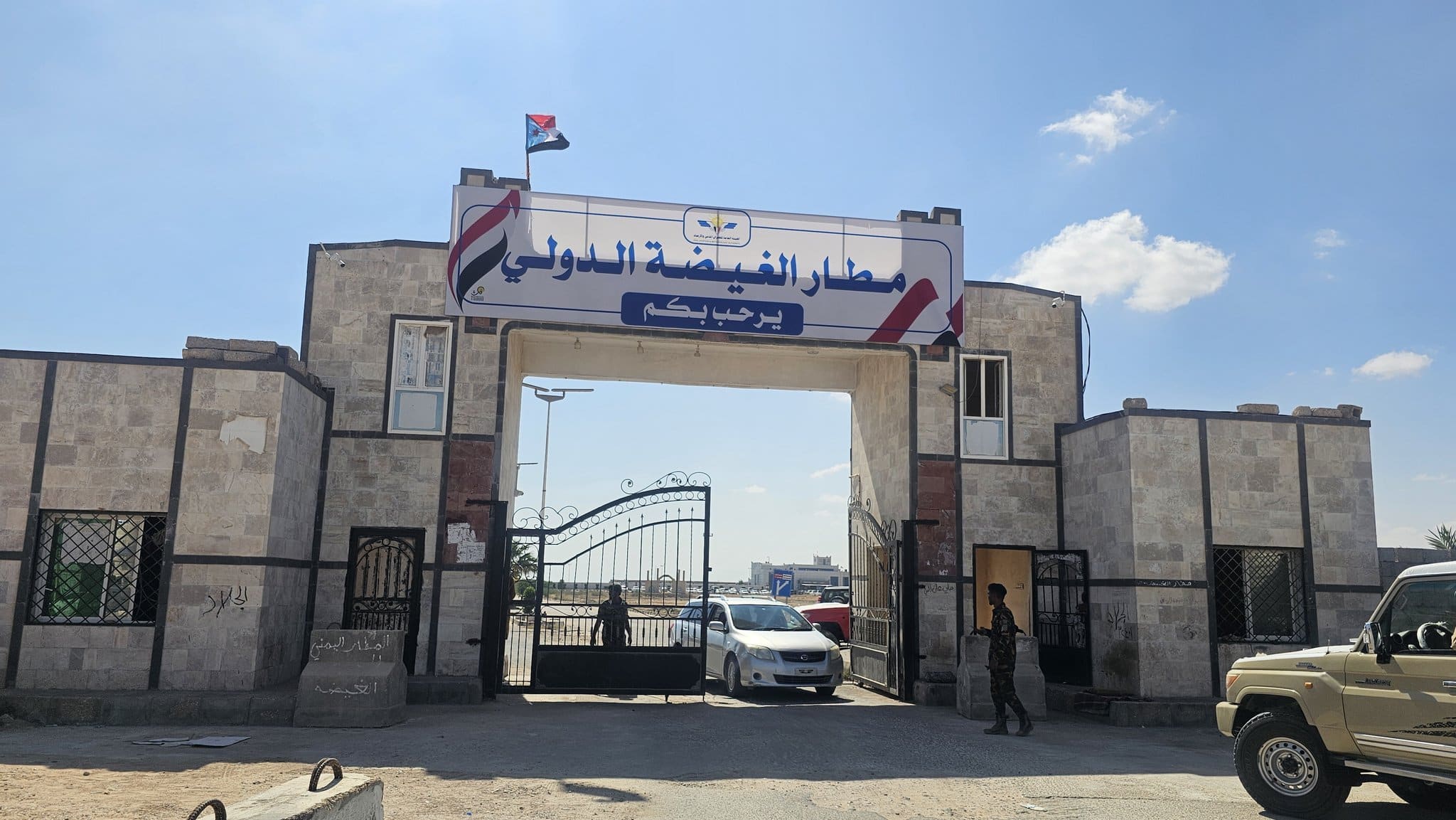
Separately, a source in the office of Rashad Al-Alimi, Chairman of the Presidential Leadership Council, was quoted by the state-run Saba News Agency as saying that Al-Alimi was monitoring what he described as a “peaceful handover of military camps to the Nation Shield Forces.”
According to Saba, Al-Alimi also called on STC forces to hand over their weapons and urged all parties to engage in dialogue.